Your Step-By-Step Guide for Measuring and Ordering with Confidence
St. Louis Topsoil : Jan 7th, 2026
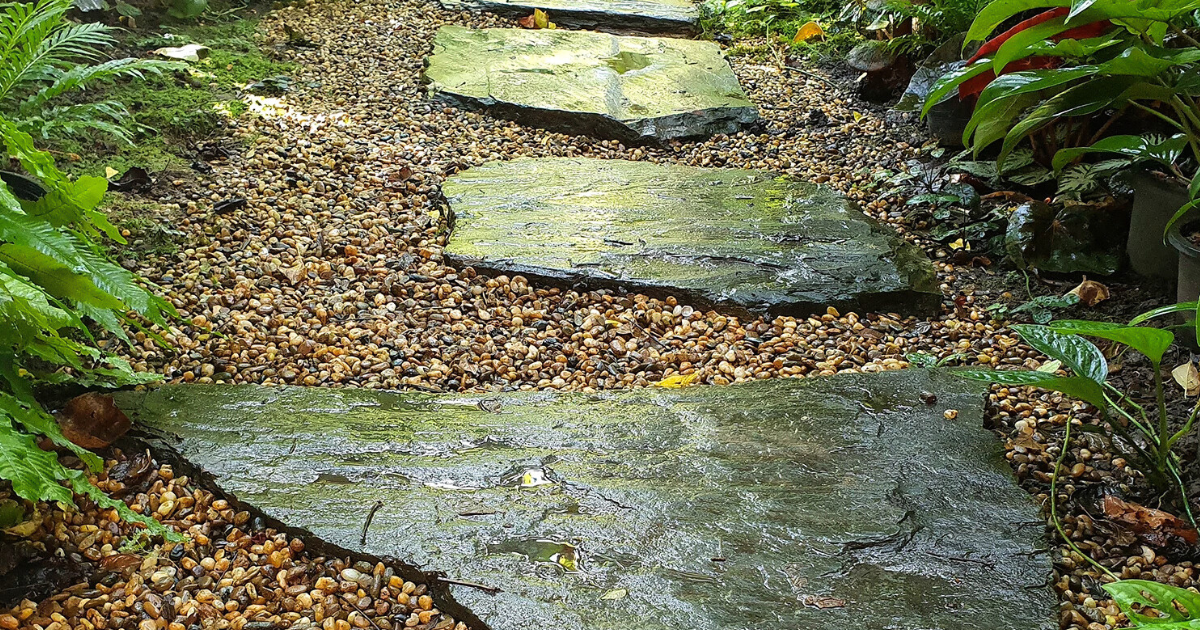
Before you order pea gravel, there’s one important thing to know: eyeballing it almost always leads to over- or under-ordering. And with bulk materials, either mistake can cost you time, money, or, even worse, both.
This guide walks you through exactly how to figure out how much pea gravel you need for your project. You’ll learn how to measure your space, choose the right depth, and calculate the correct amount—without overcomplicating it.
Whether you’re installing a walkway, building a patio, or refreshing your landscape beds, this simple pea gravel estimator takes the stress out of planning and helps you get it right the first time. Let’s get started!
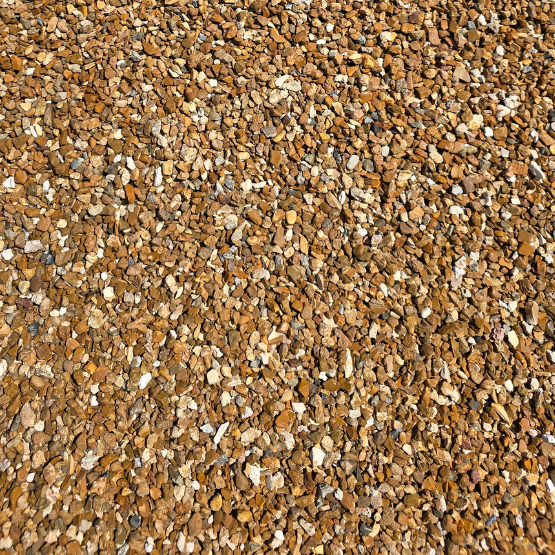
Pea gravel is a popular choice for walkways, patios, play areas, and decorative landscaping. It drains well, feels comfortable underfoot, and gives outdoor spaces a clean, finished look. But to get those benefits, ordering the right amount matters.
When you don’t have enough pea gravel, you may run into issues like:
On the flip side, ordering too much can cause its own problems, including:
The goal is to install a layer that’s thick enough to stay in place and drain properly—without overbuilding the area.
If you’re asking, “How do I calculate how much pea gravel I need?” good news! The process is straightforward and works for nearly any project.
Measure the length and width (in feet) of the space you plan to cover.
Pro tip: For curved or irregular areas, break the space into smaller rectangles, calculate each one, then add the totals together.
The right depth depends on how the area will be used:
Local tip: In areas with clay-heavy soil, a slightly deeper layer helps improve drainage and reduces gravel shifting over time.
Pea gravel is sold by the cubic yard, so your measurements need to be converted.
Pea Gravel Calculator Formula:
Length (ft) × Width (ft) × Depth (inches) ÷ 324 = Cubic Yards
This gives you the amount of pea gravel to order.
Add 5–10% extra to your total to account for:
It’s always better to have a little extra than to run short mid-project!
Once you’ve done the math, confirm your numbers with a pea grave calculator to ensure accuracy before ordering.
Pea gravel depth isn’t arbitrary—it’s based on how the space will be used. Each project requires a different balance of stability, drainage, and durability.
In short, light-use areas need less depth for appearance, while high-traffic areas need more depth for long-term stability.
Recommended depth: 2 inches
Creates clean visual coverage around plants and borders.
Recommended depth: 2-3 inches
Provides comfortable footing while remaining stable when edged properly.
Recommended depth: 3 inches
Offers enough support for furniture and frequent use without feeling loose.
| Project Type | Recommended Depth |
| Decorative Beds | 2 inches |
| Walkways & Paths | 2-3 inches |
| Patios & Seating Areas | 3 inches |
Many homeowners under-order due to simple oversights. Avoid these common issues:
If your area isn’t perfectly flat, rounding up is especially important.
Before placing your order, plan ahead:
When it comes to pea gravel, a little planning goes a long way. Taking the time to measure your space, choose the right depth, and calculate your total accurately helps you avoid wasted money, delayed projects, and unnecessary frustration.
By following the steps in this guide—and double-checking your numbers with a pea gravel calculator—you can order with confidence, knowing you have enough material for proper coverage, drainage, and long-term performance. Whether you’re installing a walkway, building a patio, or refreshing landscape beds, the right amount of pea gravel makes all the difference in how your finished project looks and holds up over time.
If you’re local, St. Louis Topsoil answer questions, confirm quantities, and deliver pea gravel directly to your project site—so you can focus on getting the job done right the first time.
How much pea gravel do I need for a walkway?
Most walkways require 2 to 3 inches of pea gravel, depending on traffic and soil conditions.
How do I calculate pea gravel for my project?
Use this formula: Length (ft) × Width (ft) × Depth (inches) ÷ 324 = Cubic Yards
You can also use a pea gravel calculator to estimate how much you’ll need for your project.
Should I order extra pea gravel?
It’s generally a good idea to order extra pea gravel. Adding 5–10% extra helps account for settling, spreading, and uneven terrain.





Planting may seem as simple as digging a hole and setting in a shrub, flower, or tree—but the small details matter. How you prepare the soil, handle the roots, and care for the plant in the first few weeks can…
 Material Calculator