It Starts with the Right Foundation and Finishing Layer
St. Louis Topsoil : Apr 8th, 2026
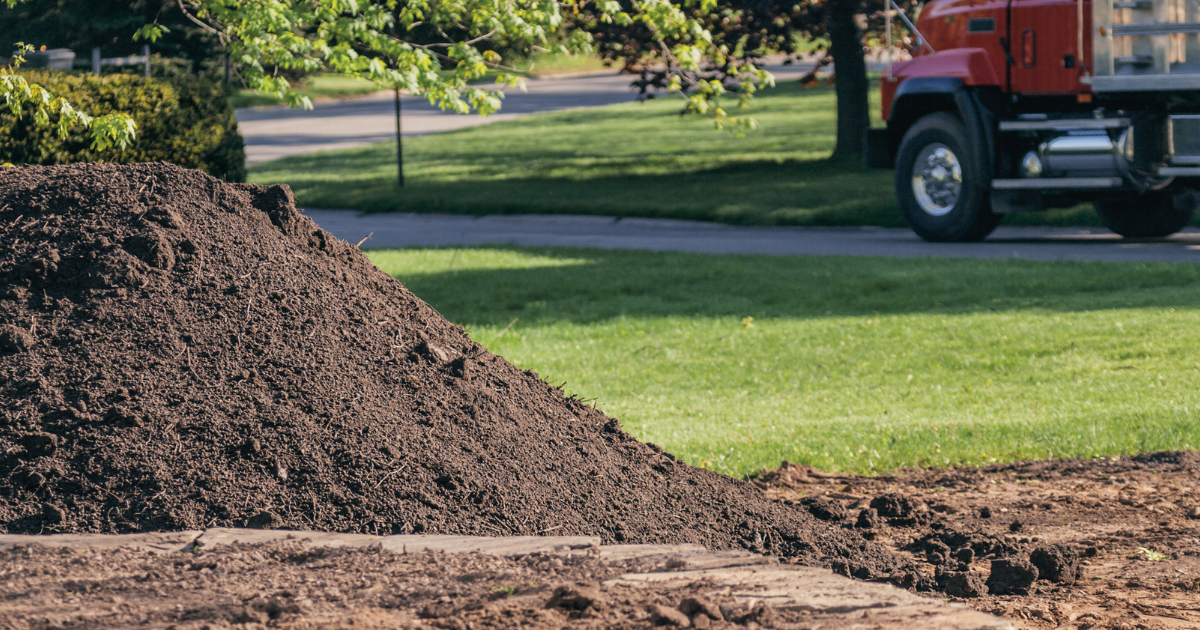
Starting a new lawn or dealing with uneven, patchy ground? Choosing the best topsoil for lawn projects is one of the most important decisions you can make for long-term success.
In this guide, we’re breaking down what to look for in lawn topsoil, explaining how to layer soil properly, and walking through the best options for building a healthy, resilient lawn from the ground up. Let’s dig in!
The best topsoil for lawn projects needs to do two things well: create a stable foundation and support healthy grass growth.
For larger areas, soil must help with leveling and grading, especially if your yard has dips or uneven terrain. At the same time, it needs to provide a nutrient-rich environment where grass can establish and thrive.
That’s why the best topsoil for leveling lawn areas is often different from the best topsoil for seeding lawn areas. One supports structure, while the other supports growth.
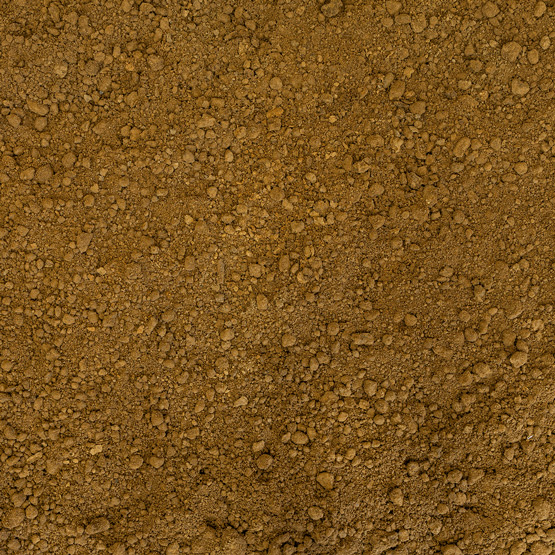
If your yard has uneven areas, a natural, unprocessed soil generally works best. It provides the density and stability needed to fill dips, build up low areas, and create a solid base for grading and foundational work.
Using this type of soil allows you to correct uneven ground before moving on to planting, ensuring your lawn doesn’t end up bumpy or inconsistent.
The most effective way to build a lawn is to layer your soil, using each type for what it does best.
Start by addressing any uneven areas with a foundational layer. Natural Topsoil works well here because it can be spread, leveled, and lightly compacted to create a smooth yet stable surface.
This step is essential for proper drainage and long-term lawn performance, especially in larger yards or areas with noticeable dips.
Once your base is in place, the focus shifts to creating the ideal environment for grass to grow.
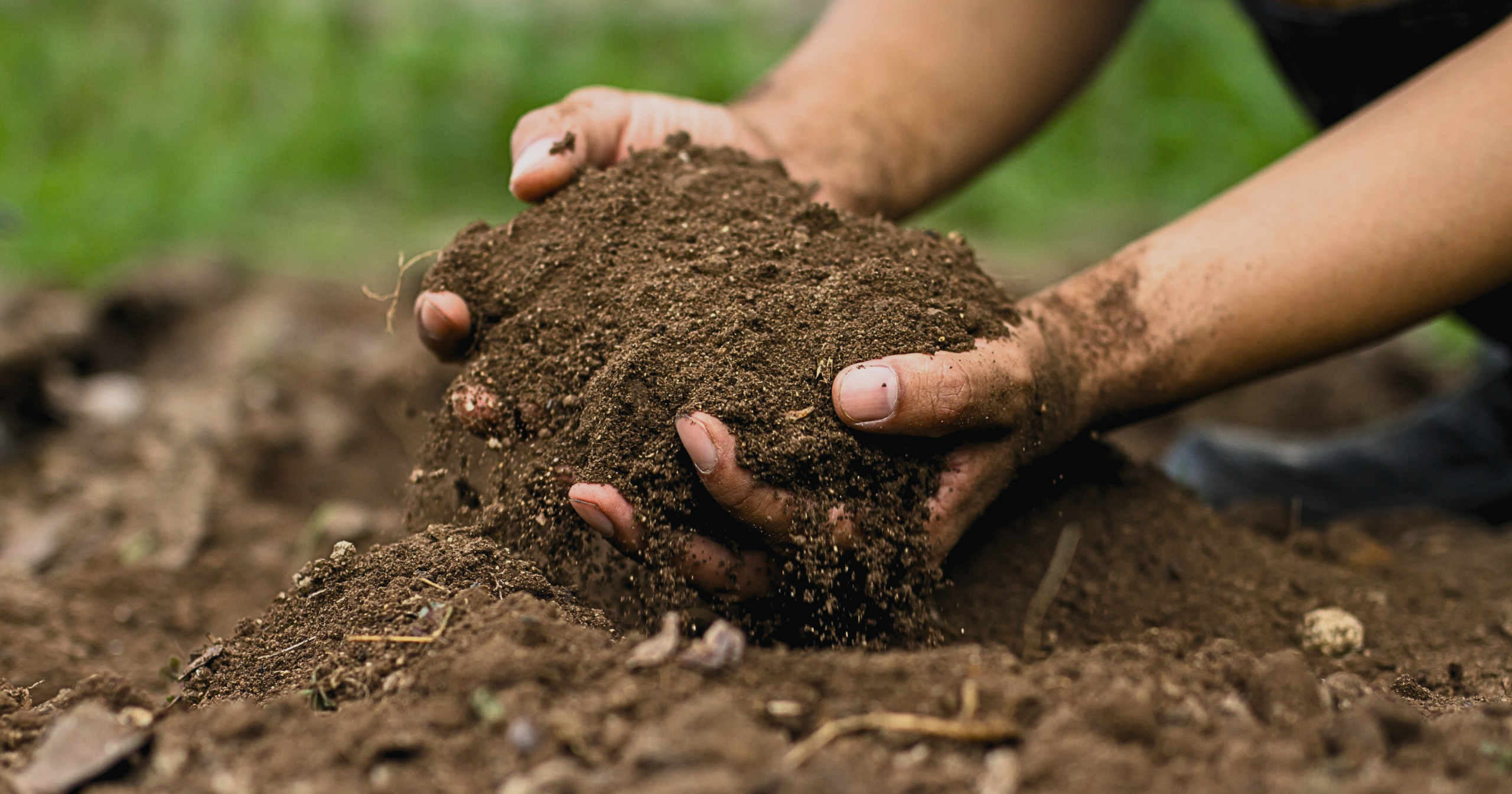
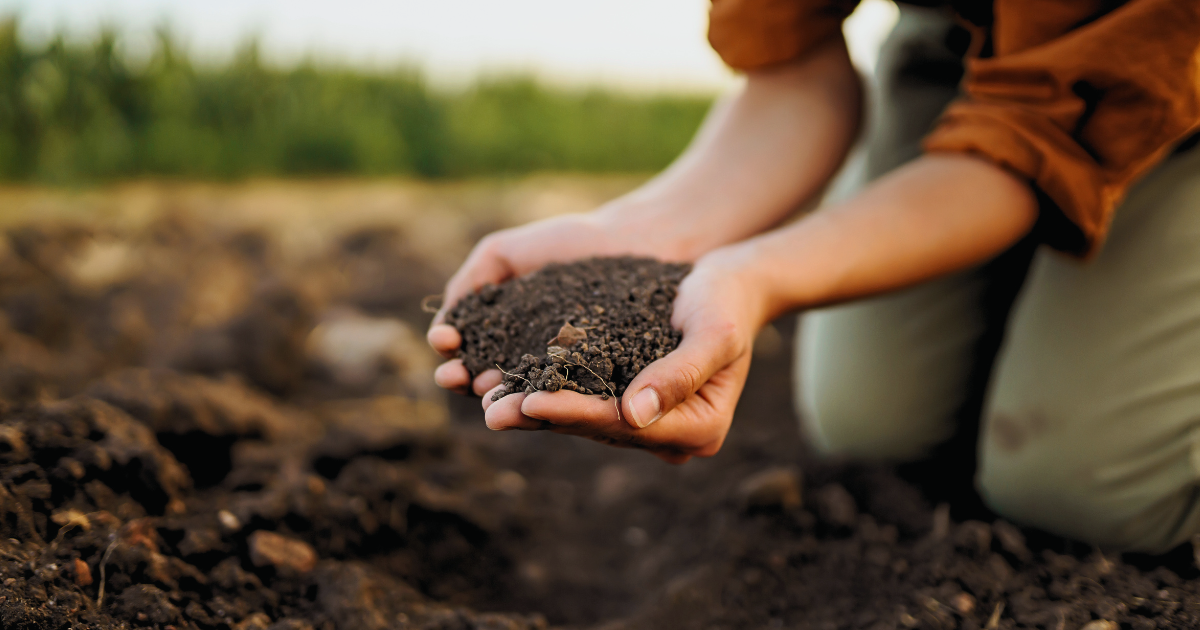
A finer, screened soil—such as Pulverized Topsoil—is ideal for this layer. Its soft, uniform texture allows for better seed-to-soil contact, improved aeration, and more efficient water distribution.
Because it’s been broken down and screened, this type of soil also makes it easier for roots to establish quickly, which is critical for both seeding and sod installation.
When choosing the best topsoil for lawns, it’s also important to consider how much soil you need.
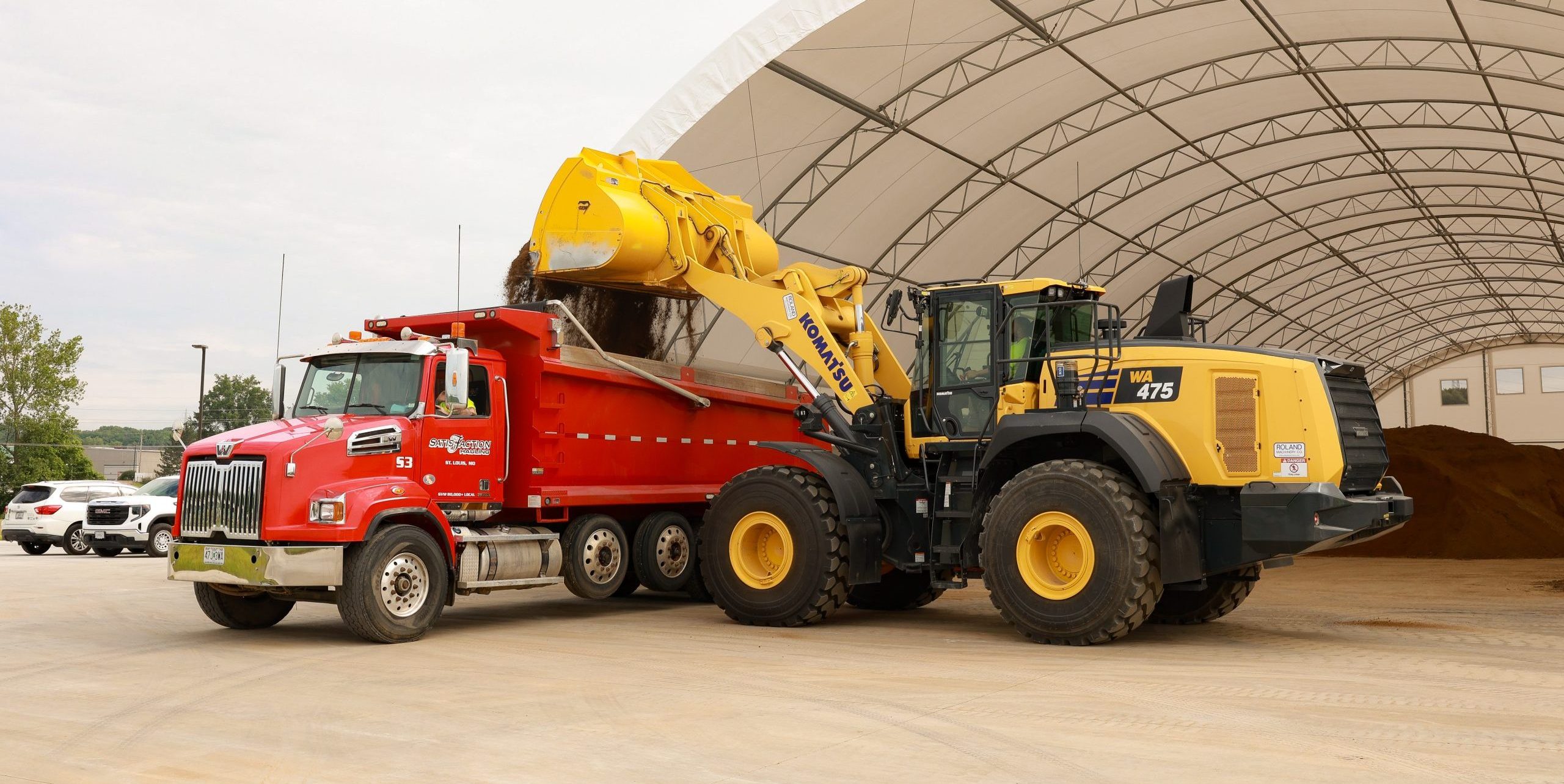
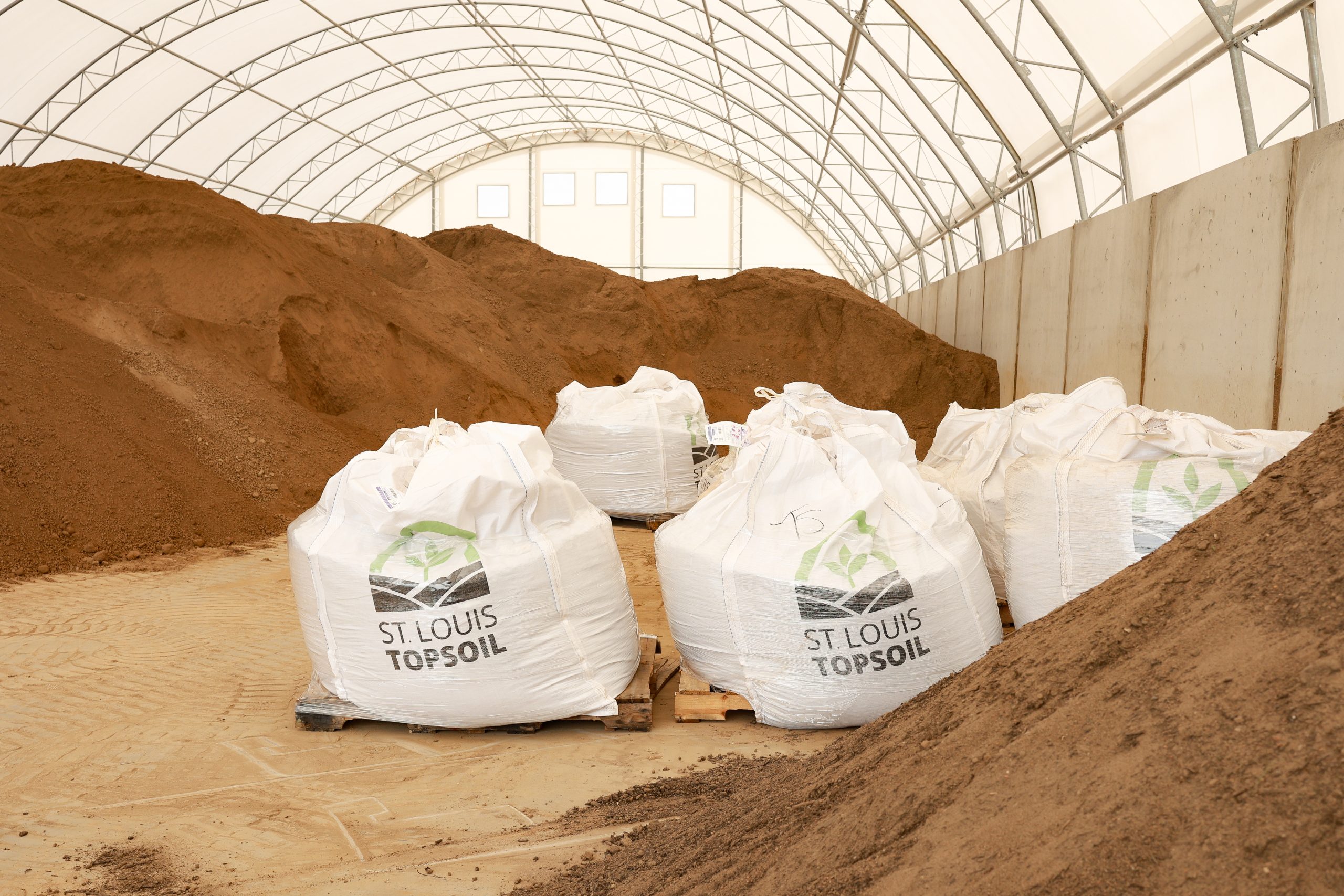
For large-scale projects, bulk soil is typically the most practical and cost-effective option—especially when leveling or building a base layer. Some places also offer topsoil delivery for the ultimate convenience.
For smaller areas or touch-ups, some homeowners look for the best bagged topsoil for lawns. Bagged options can be convenient for minor repairs, overseeding, or small leveling jobs.
Applying topsoil properly can make a noticeable difference in how evenly your lawn grows and how well it holds up over time. Here’s a simple approach to tackle your lawn project.
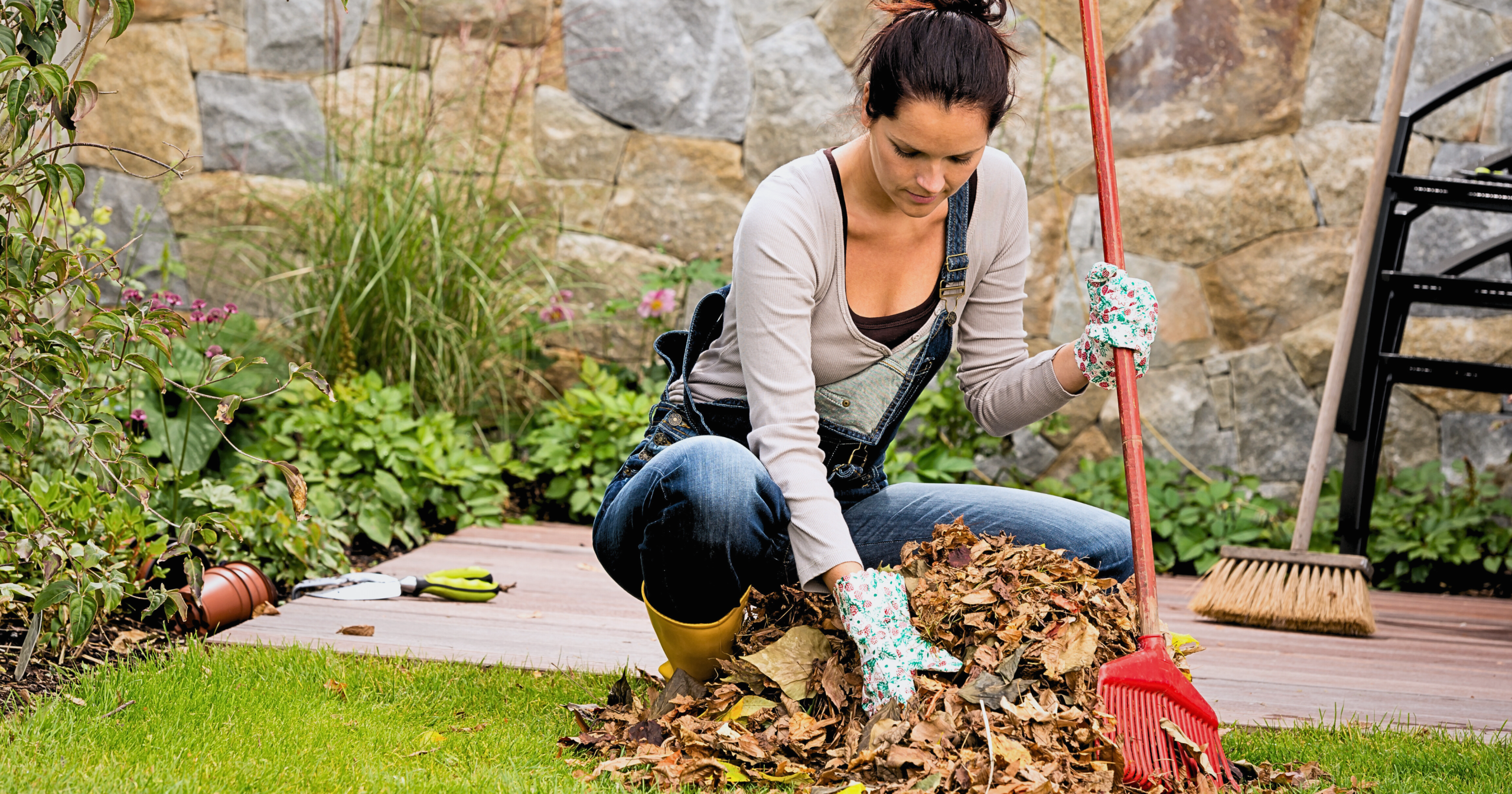
Begin by removing rocks, debris, and any dead grass. Then, lightly loosen the existing soil with a rake or hoe to create an aerated surface. This helps roots establish more easily and allows water and nutrients to move through the soil.
If your lawn has dips or uneven areas, start by filling those in with a natural topsoil. Spread it out and smooth it over until the surface looks even. This step is what creates the foundation for a lawn that looks level and drains properly.
Just remember to keep the layer light—too much can bury seeds and interfere with germination.
After leveling the foundation, add a layer of a screened and pulverized topsoil. This type of topsoil spreads easily and creates a nutrient-rich layer where grass can take root.
Spread your grass seed evenly over the topsoil, slightly overlapping each pass to help avoid thin or bare areas. Be sure to follow the recommended seeding rate for your specific grass type.
Once the seed is down, gently rake the area so the seeds are lightly covered—just enough to make contact with the soil without burying them. This helps support germination while still allowing access to air and light.
Keep the soil moist while the grass establishes, which typically takes two to three weeks. Water lightly and frequently, often once or twice per day depending on conditions, but avoid over-saturating that can wash seeds away.
Try to limit foot traffic during this time to protect young seedlings and give roots the chance to take hold.
The best topsoil for lawn projects isn’t just about choosing one product—it’s about using the right soil in the right place.
A stable base created with Natural Topsoil provides the structure your lawn needs, while a top layer of finely screened, pulverized soil creates the ideal environment for grass to grow.
Together, this approach delivers a lawn that’s level, healthy, and built to last.
Working on smaller patches or overseeding? Check out our Best Topsoil for Grass guide for more small-scale solutions.
The best topsoil for lawns combines a stable base for leveling with a nutrient-rich top layer for growth. Using both types of soil creates better long-term results than relying on one alone.
The best topsoil for seeding lawn areas is fine, screened, and nutrient-rich. This type of soil improves seed-to-soil contact and supports faster germination.
The best bagged topsoil for lawns is screened, easy to spread, and free of debris. It should be suitable for small projects like patching, overseeding, or minor leveling.




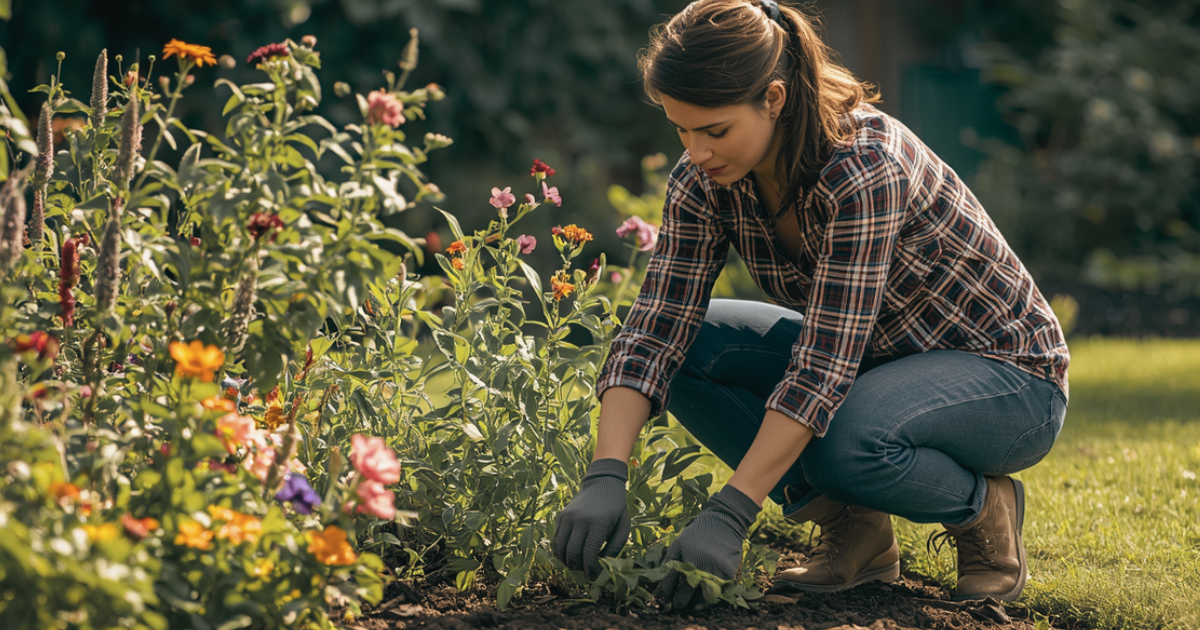
Planting may seem as simple as digging a hole and setting in a shrub, flower, or tree—but the small details matter. How you prepare the soil, handle the roots, and care for the plant in the first few weeks can…
 Material Calculator