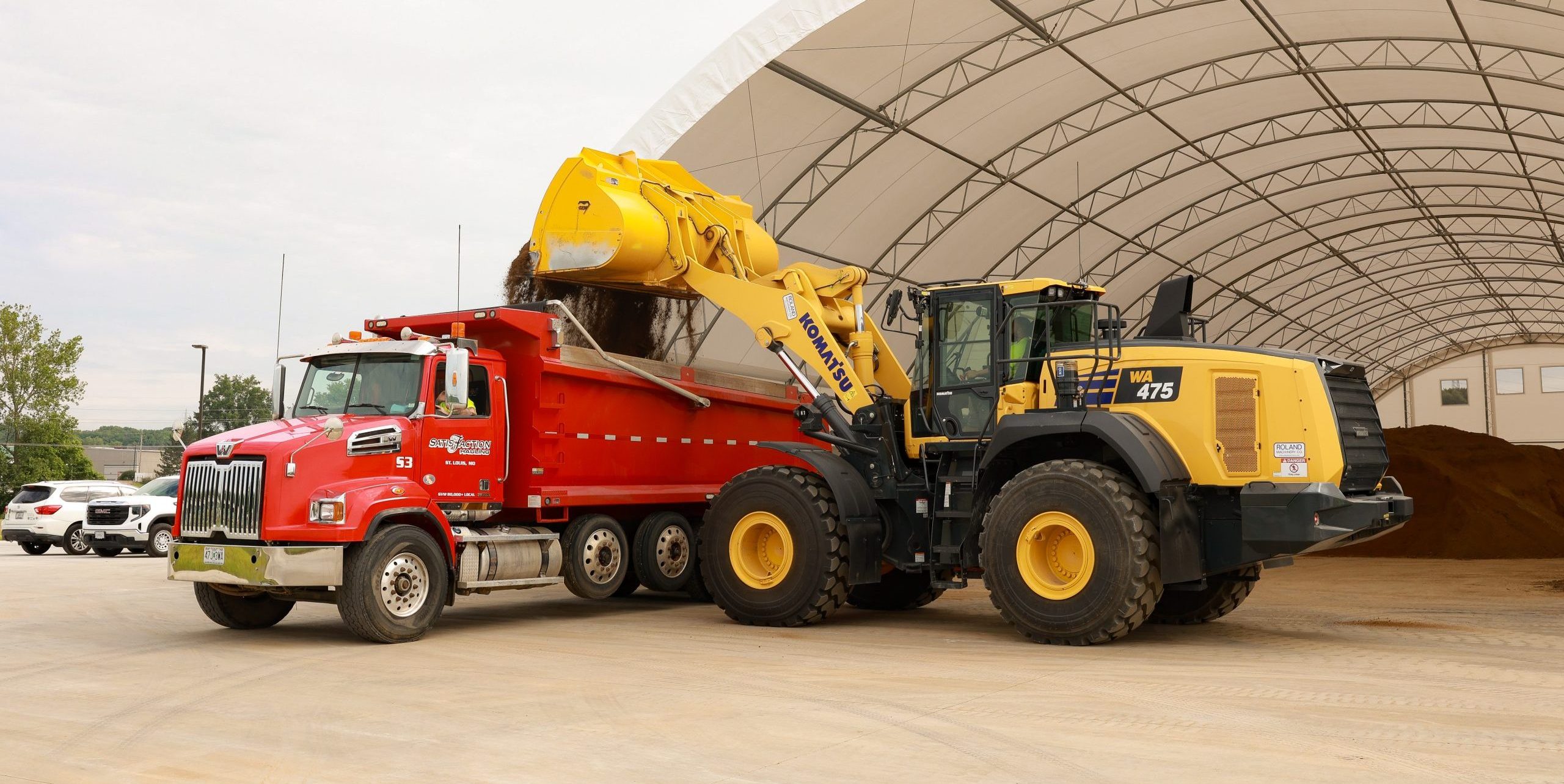
Hint: It’s Screened and Pulverized
St. Louis Topsoil : Mar 30th, 2026
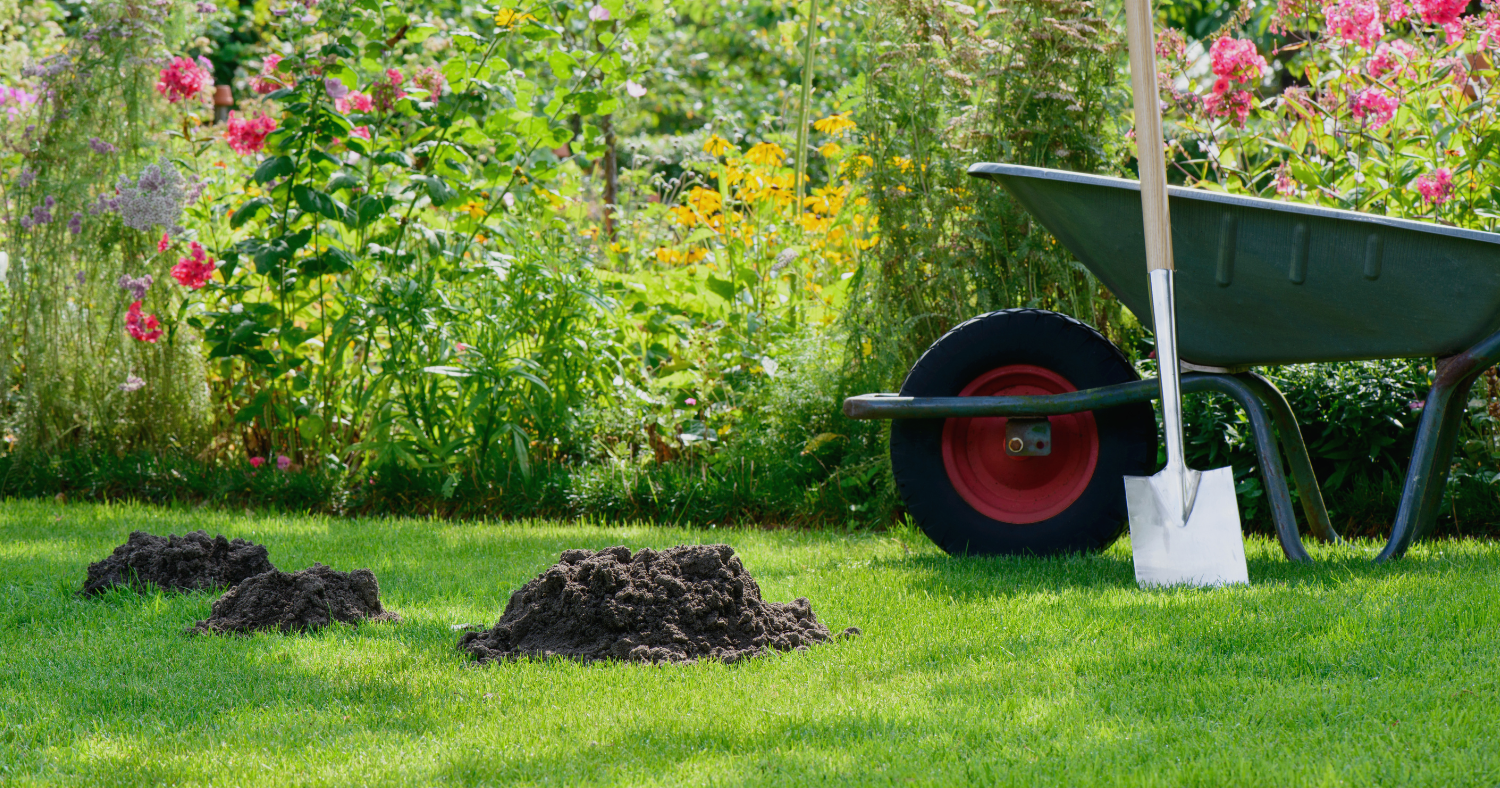
Starting a new patch of grass or repairing bare spots? Grass seeds need the right soil environment—one that provides nutrients, drainage, and structure—to germinate and grow strong.
In this guide, we’re breaking down exactly how to find the best topsoil for grass and walking you through step-by-step tips to help your grass thrive. Let’s dig in!
When selecting topsoil for patching or small-scale planting, a few key characteristics can make all the difference.
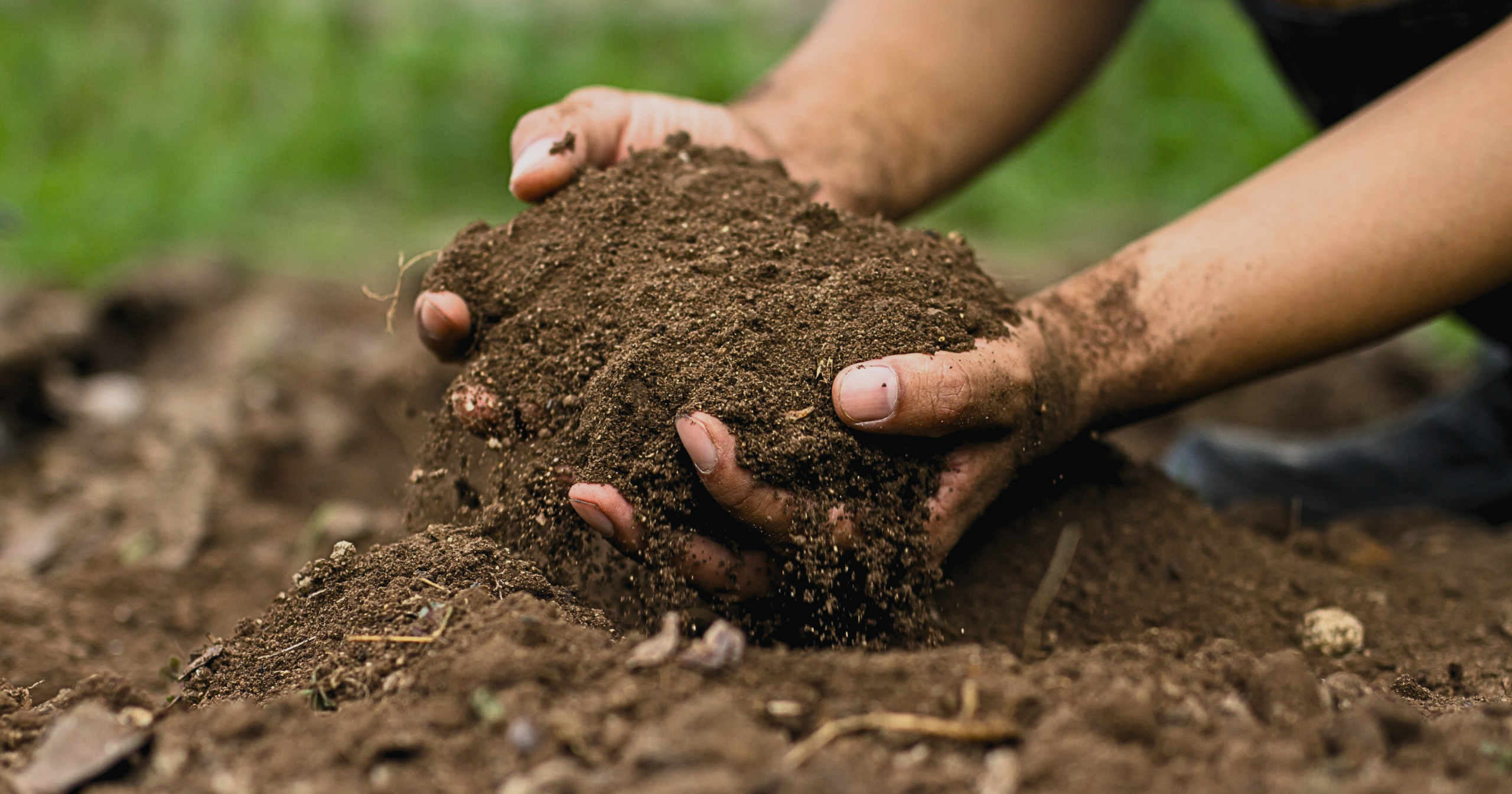
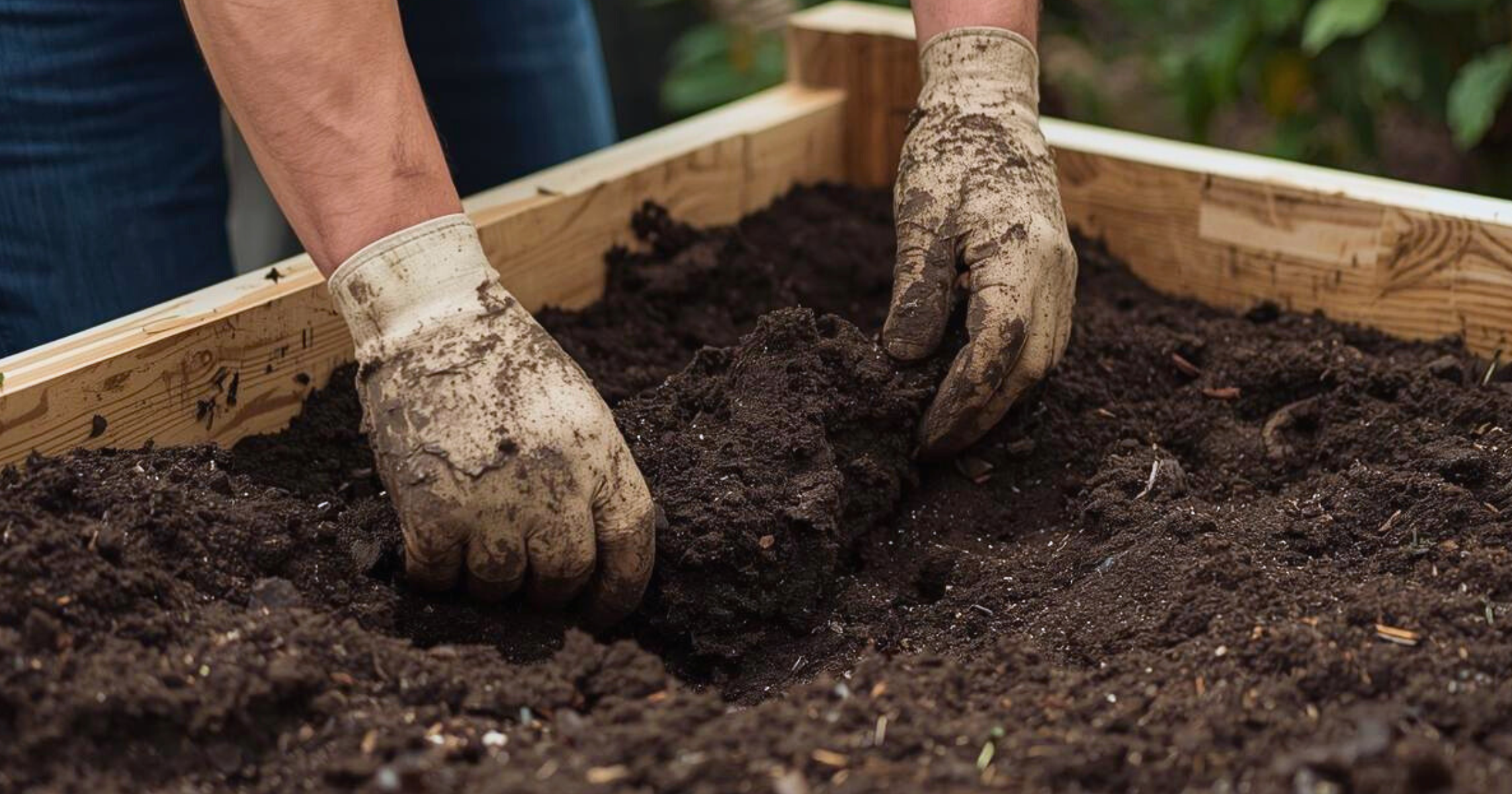
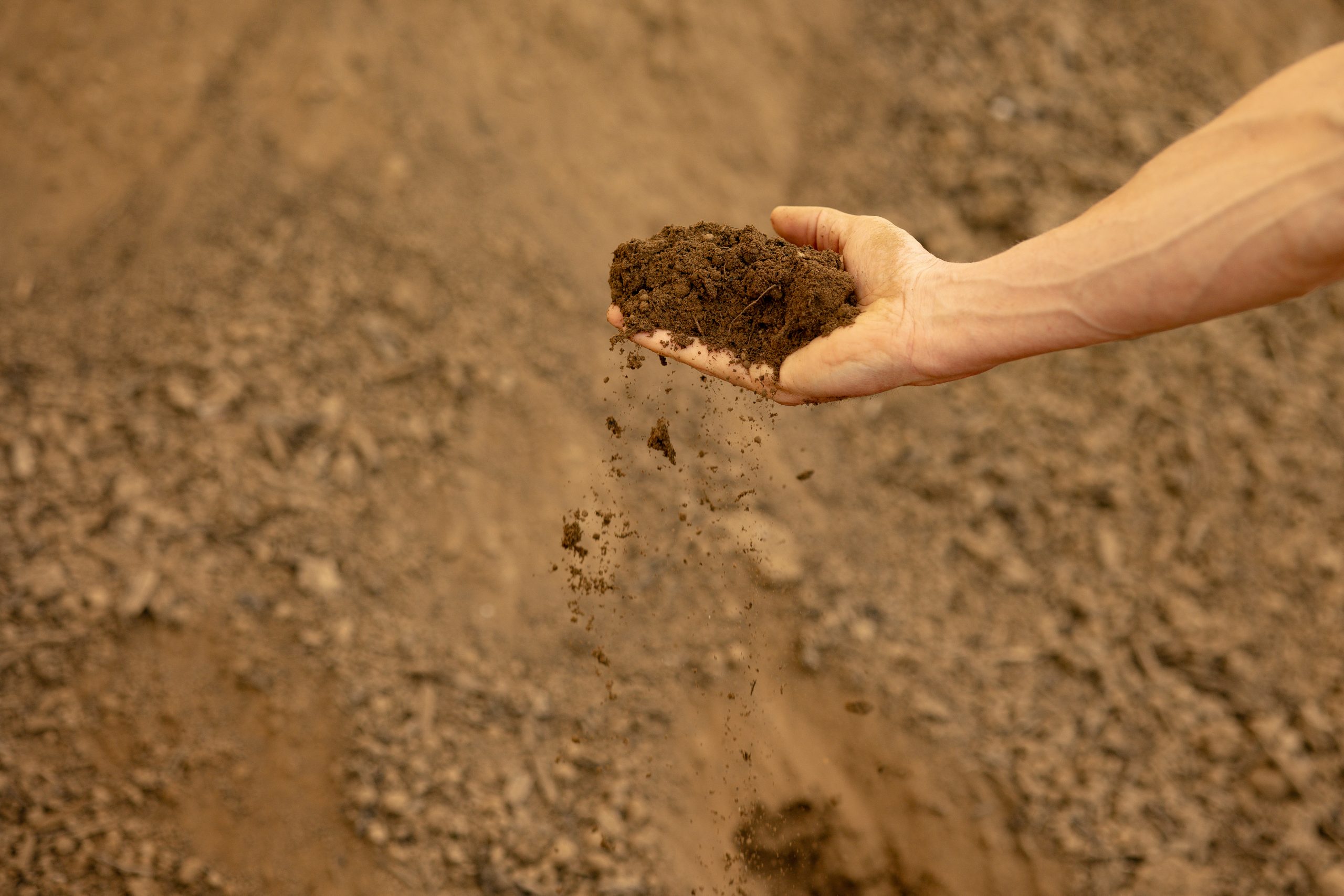
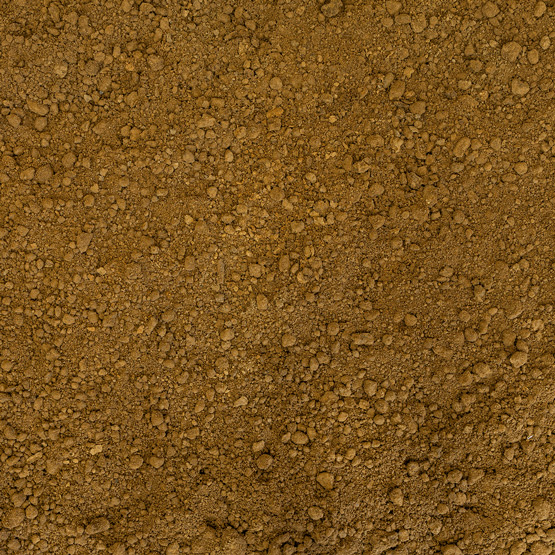
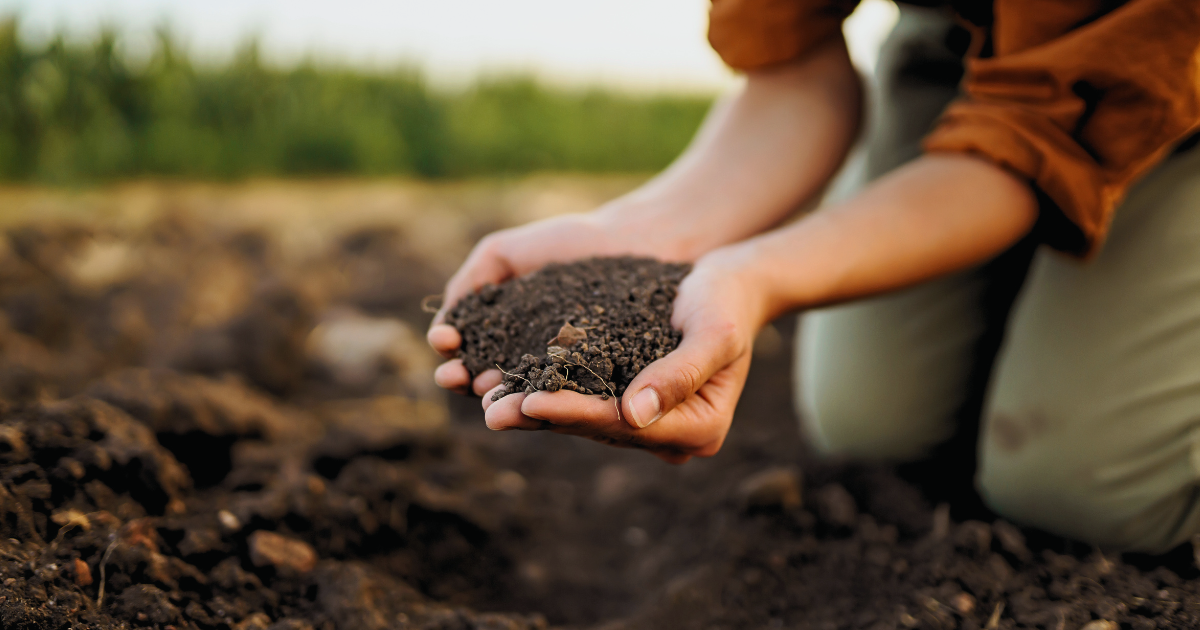
Grass seeds need direct contact with soil to germinate properly. Heavy clumps or coarse soil can block root growth and slow development. A fine, loose texture ensures seeds settle in evenly and have access to the nutrients they need.
Healthy grass roots require both oxygen and consistent moisture. Compacted soil can suffocate seedlings or trap excess water, leading to poor germination or rot. The right topsoil will drain well while still holding enough moisture to support early growth.
New grass depends on a steady supply of nutrients to establish quickly—and at all. Topsoil that contains organic matter and natural minerals supports faster germination and promotes lush, vibrant blades.
Most grass varieties thrive in slightly acidic to neutral soil (pH 6–7). A balanced pH ensures nutrients are readily available to young seedlings, giving them the best possible start.
For small-scale patching or overseeding—adding seed to an existing lawn—the type of topsoil you choose has a major impact on results.
Look for finely screened, nutrient-rich topsoil that’s soft enough for seeds to make direct contact, yet stable enough to retain moisture.
A screened, pulverized topsoil is ideal for patching bare spots or preparing small planting areas. Its soft, consistent texture makes it easy to spread and rake, while its nutrient profile supports quick germination and strong root development.
Loose, pulverized soil helps ensure seeds are in direct contact with the soil for effective germination. Its structure also promotes better drainage and aeration, allowing roots to grow deeper and stronger without becoming waterlogged. The presence of organic matter and minerals provides a nutrient-rich foundation that supports early growth.
Pro Tip: Apply a thin layer of fine topsoil over your seeds, lightly rake it in, and water consistently. This helps seedlings establish evenly while reducing the risk of erosion or seed displacement.
Planting grass successfully isn’t just about scattering seeds, crossing your fingers, and hoping for the best—it’s about creating the right conditions for growth. Preparing the soil properly and following a structured process can dramatically improve germination, root development, and long-term lawn health.
Start by removing rocks, debris, and any dead grass. Loosen the existing soil lightly with a rake or hoe to create an aerated surface. This allows roots to spread more easily and ensures water and nutrients can reach the seedlings.
Once the soil is loosened, add a thin layer of fine, screened topsoil. This creates a smooth, nutrient-rich surface that improves seed-to-soil contact and helps retain moisture. Avoid applying too much, as thick layers can bury seeds and prevent germination.
Scatter your grass seed evenly across the topsoil, slightly overlapping your passes to prevent bare spots. Follow the recommended seed density for your specific grass type.
After spreading, lightly rake the seeds so they are just covered—not buried—by the topsoil. This ensures proper contact while still allowing access to sunlight and air.
Keep the soil consistently moist until seedlings are established, typically within two to three weeks. Water lightly and frequently—about twice per day, depending on rainfall—while avoiding over-saturation, which can wash seeds away.
Limit foot traffic during this time to protect delicate seedlings and allow roots to take hold.
Once grass reaches about 2 to 3 inches in height, begin light fertilization to support continued growth. When mowing, never remove more than one-third of the blade length at a time to maintain root strength and encourage a thicker lawn.
Be patient during this stage. Healthy grass takes time to establish, and overseeding may be needed in thinner areas. With consistency, the time and subsequent results are well worth it.
Choosing the right topsoil can make or break your grass patching efforts. For small-scale projects, a screened, pulverized topsoil provides the ideal balance of texture, nutrients, and drainage, giving your seeds the best chance to germinate and thrive.
The best soil for laying grass is nutrient-rich, well-draining, and loose enough for roots to establish quickly. For small patches, screened or pulverized topsoil works best. For larger lawns, a layered approach—using foundational soil for leveling and finer topsoil for planting—can improve results.
Yes, but only in a thin layer (about ½ inch) when patching or overseeding. Applying too much can smother existing grass. Lightly raking the topsoil ensures seeds and grass receive adequate air, light, and contact with the soil.




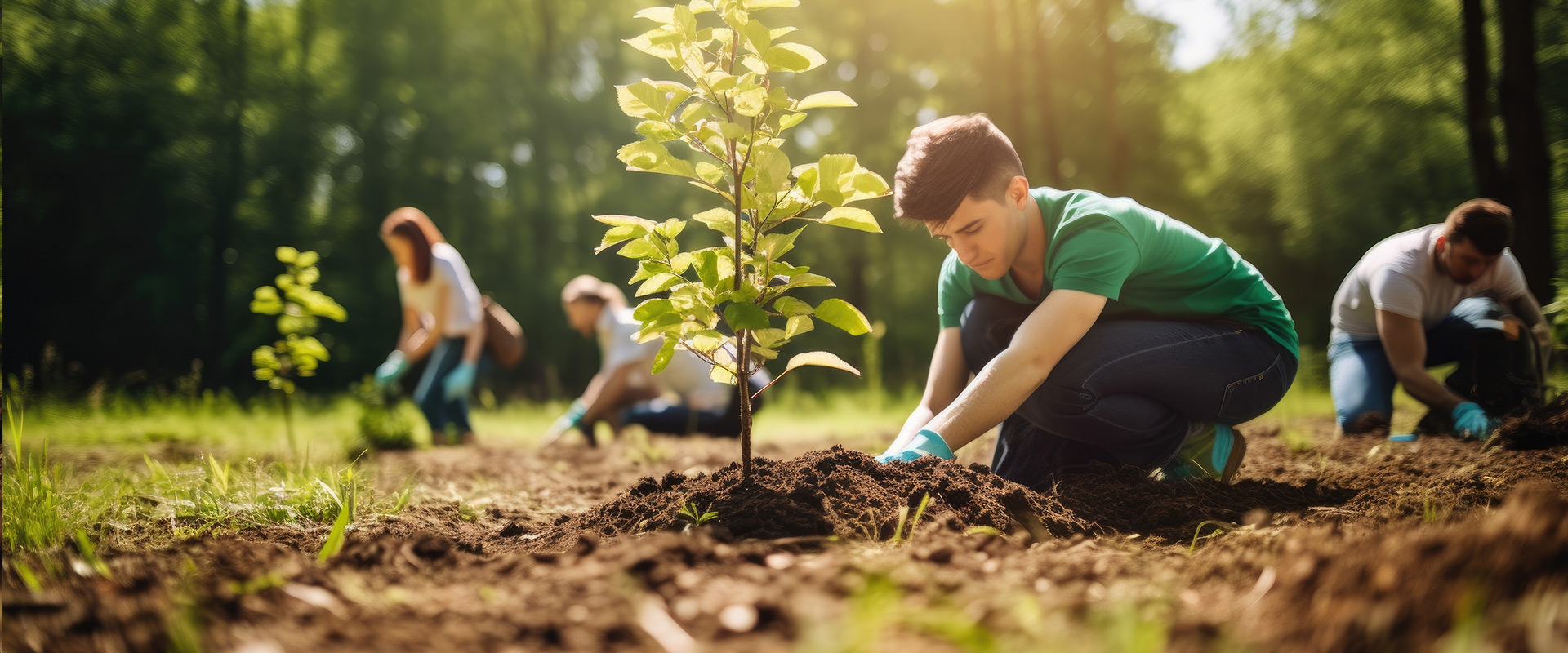
Planting may seem as simple as digging a hole and setting in a shrub, flower, or tree—but the small details matter. How you prepare the soil, handle the roots, and care for the plant in the first few weeks can…
 Material Calculator