How to choose the right fit for your space, budget & project
St. Louis Topsoil : May 6th, 2026
Starting a garden or outdoor project always sounds simple—until you realize how much soil you actually need. What begins as “just a few beds” can quickly turn into a pile of bags…or a moment where you rethink doing all that lifting yourself.
That’s usually when the question comes up: Should you go with bulk garden soil or stick with bags?
The answer isn’t one-size-fits-all. It depends on your space, your project size, and how you want to handle the process.
This guide breaks it down so you can choose the best option for your project needs.
If you’re starting a garden, refreshing your beds, or tackling a landscaping project, your choice usually comes down to bulk garden soil or bagged soil—and each serves a different purpose.
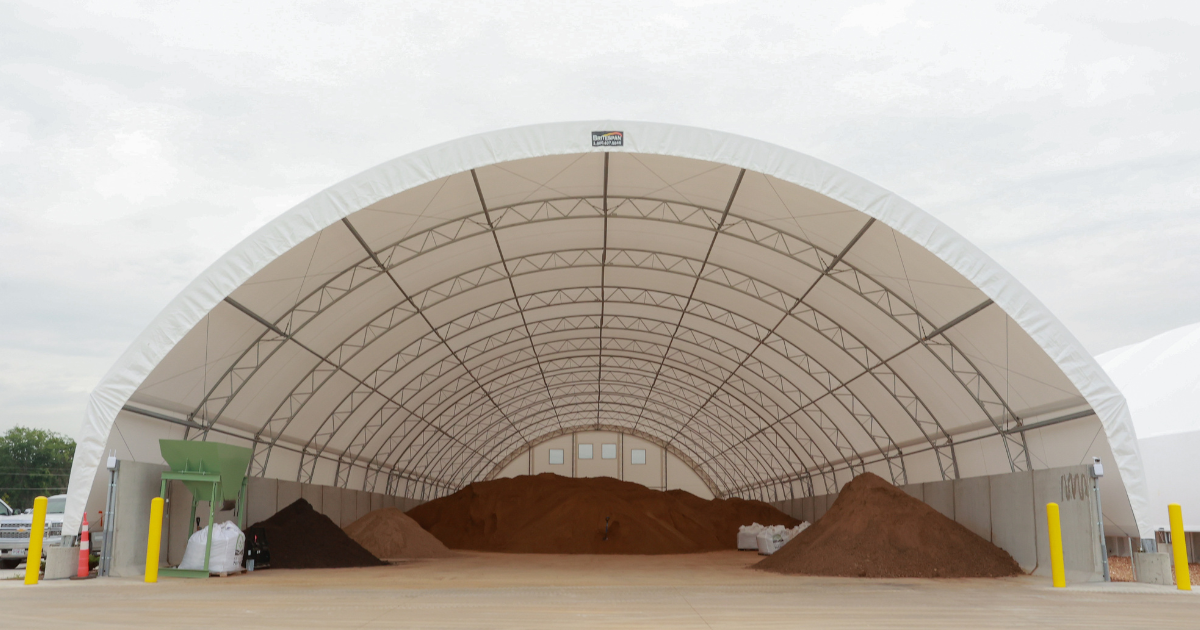
Bulk garden soil is often sold by the cubic yard and delivered either loose or in large bulk bags. It’s typically best for larger outdoor projects that require greater volume and efficiency.
Bagged soil comes in smaller, pre-packaged amounts (usually 1–2 cubic feet), making it a convenient option for quick fixes, small spaces, or projects you want to tackle over time.
In most cases, the decision comes down to scale, convenience, and how you want to manage the work from start to finish.
If your project involves more than a few bags of soil, bulk quickly becomes the better option.
Filling raised beds, building a garden, or leveling areas adds up fast. Bulk soil helps you get everything you need in one delivery instead of dozens of trips.
A single cubic yard equals about 27 cubic feet. That’s a lot of bags—and bulk is almost always more cost-effective at that scale.
Instead of loading, unloading, and carrying individual bags, bulk soil shows up ready to go.
Bulk garden soil is ideal for spreading across larger areas, blending into existing soil, or creating a strong foundation for planting.
There are still plenty of situations where bagged soil makes more sense—and honestly, it can be the easier choice.
For a few planters or topping off a bed, bags are simple and manageable.
Bagged options often clearly state what they’re designed for (such as potting mix or raised-bed soil), which can feel more straightforward.
You can buy and use bags over time, rather than managing a full delivery all at once.
One of the biggest advantages of choosing bulk garden soil is convenience—but knowing how delivery works ahead of time makes the process even smoother.
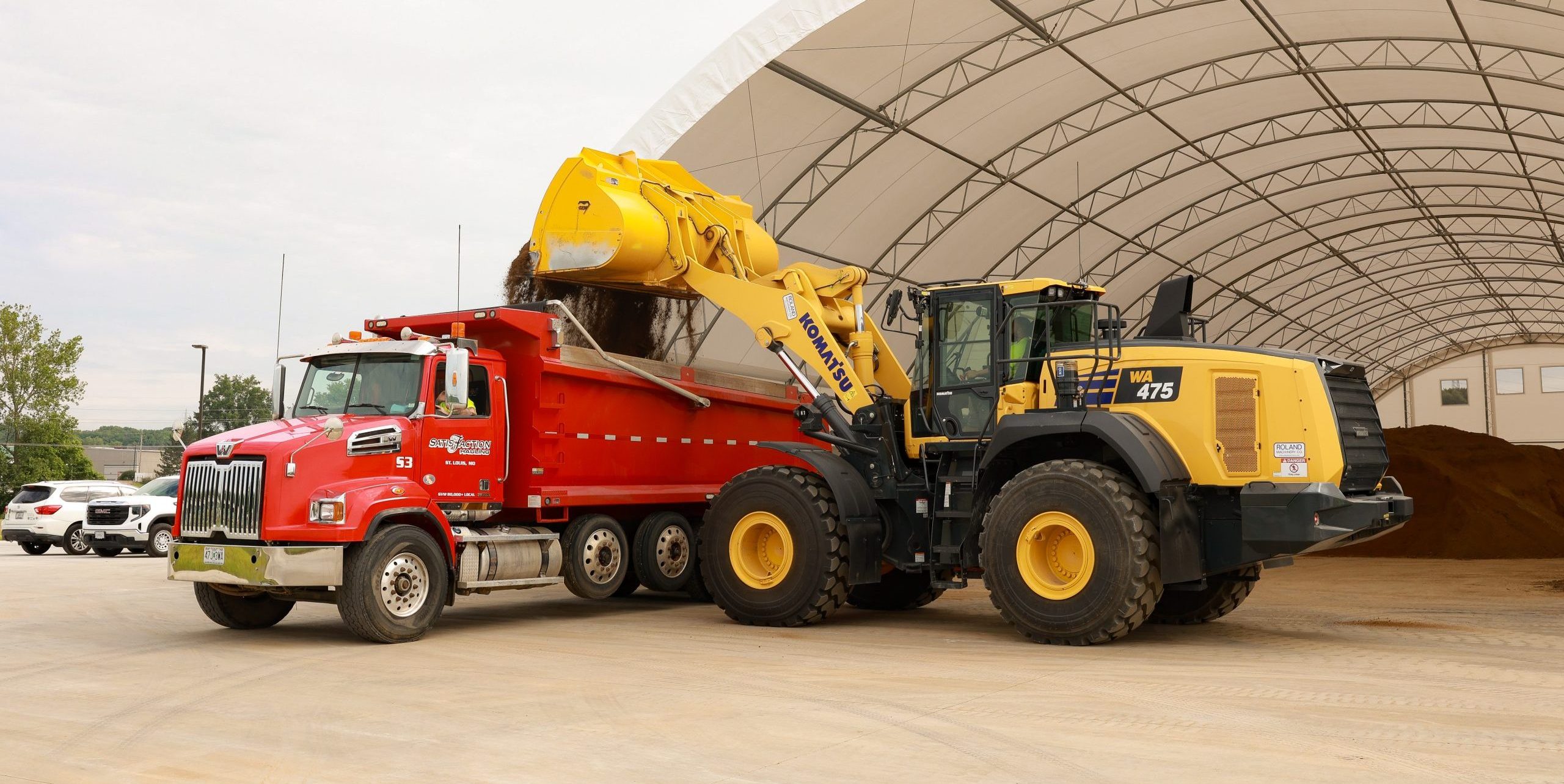
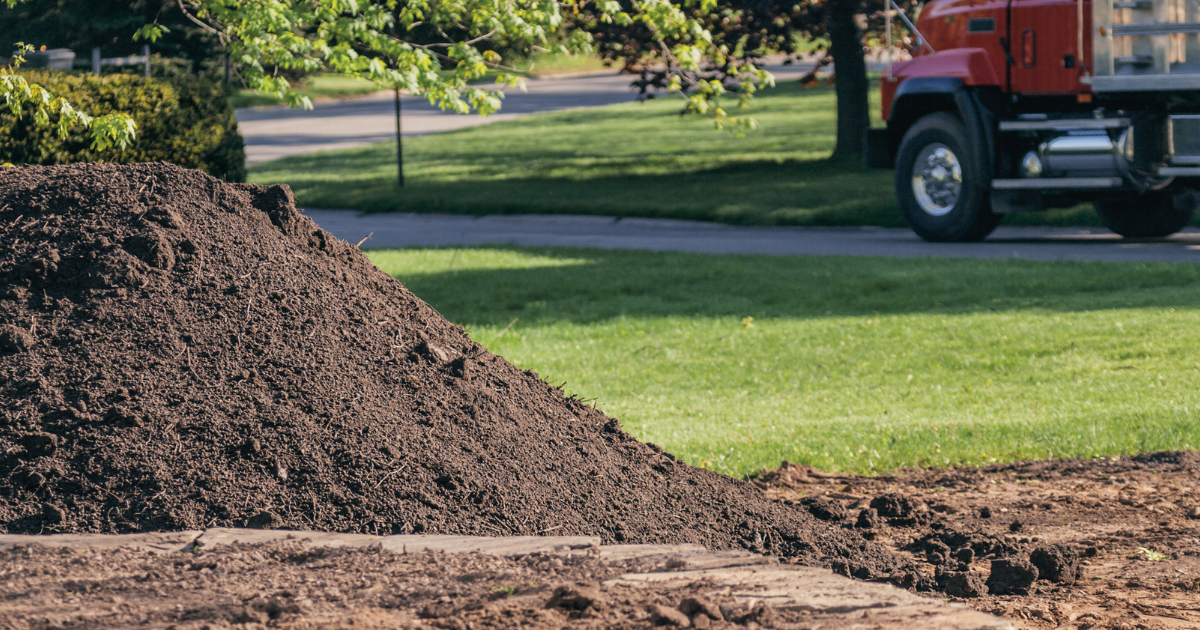
Most bulk soil is delivered loose and placed directly in your driveway.
Drivers do their best to follow your preferred drop-off location, but final placement is based on safety and protecting your property. Factors like narrow driveways, low-hanging branches or wires, retaining walls, downspouts, and uneven surfaces all come into play.
To help prevent damage, trucks don’t drive on grass or yard areas, which protects your lawn and avoids potential issues with underground utilities.
If you won’t be home at the time of delivery, that’s usually okay—just clearly mark your preferred drop-off spot with a cone, flag, tape, or marking paint so the driver knows exactly where to go.
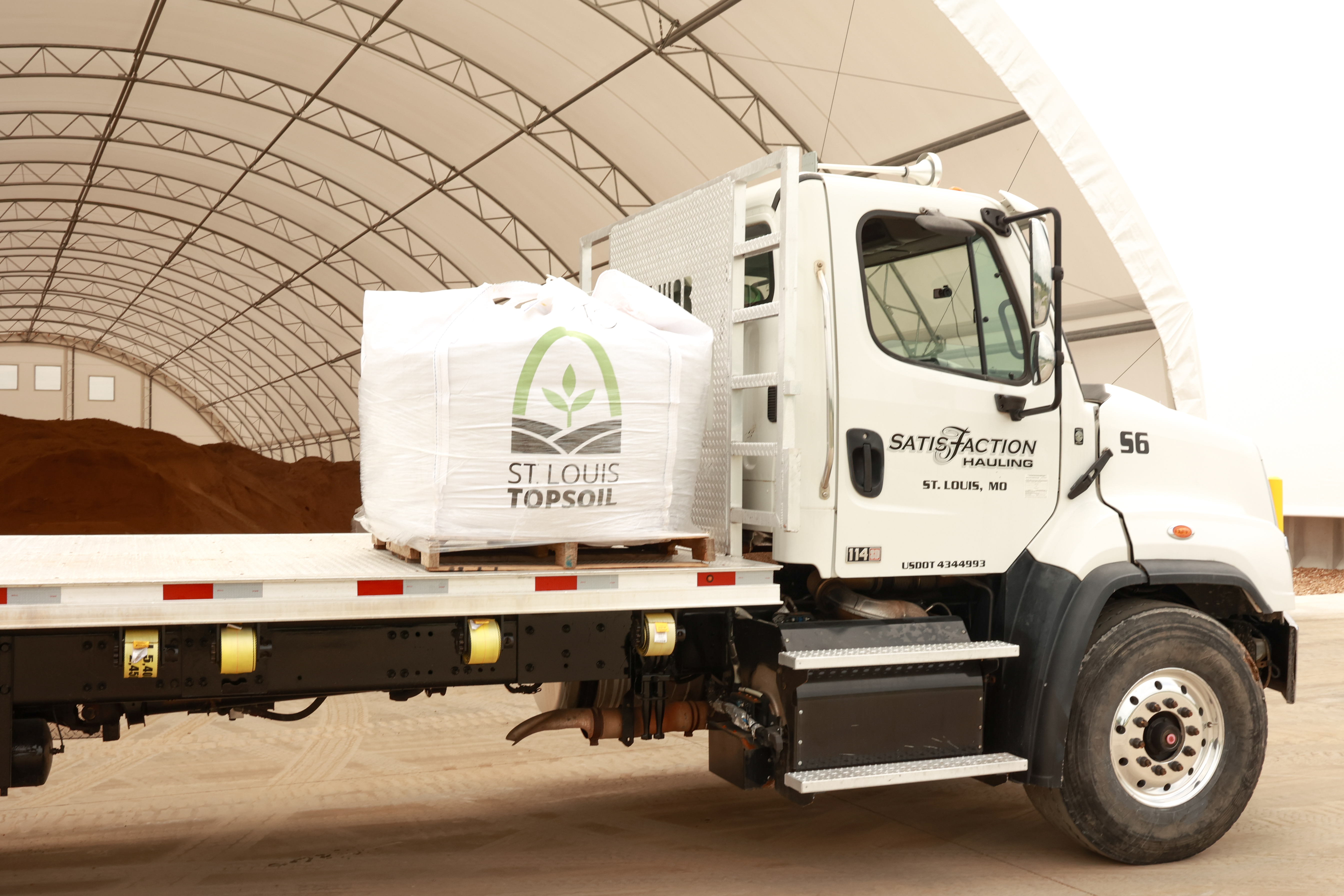
If you’d rather not have soil dumped directly on your driveway, bulk bags offer a more controlled and flexible option.
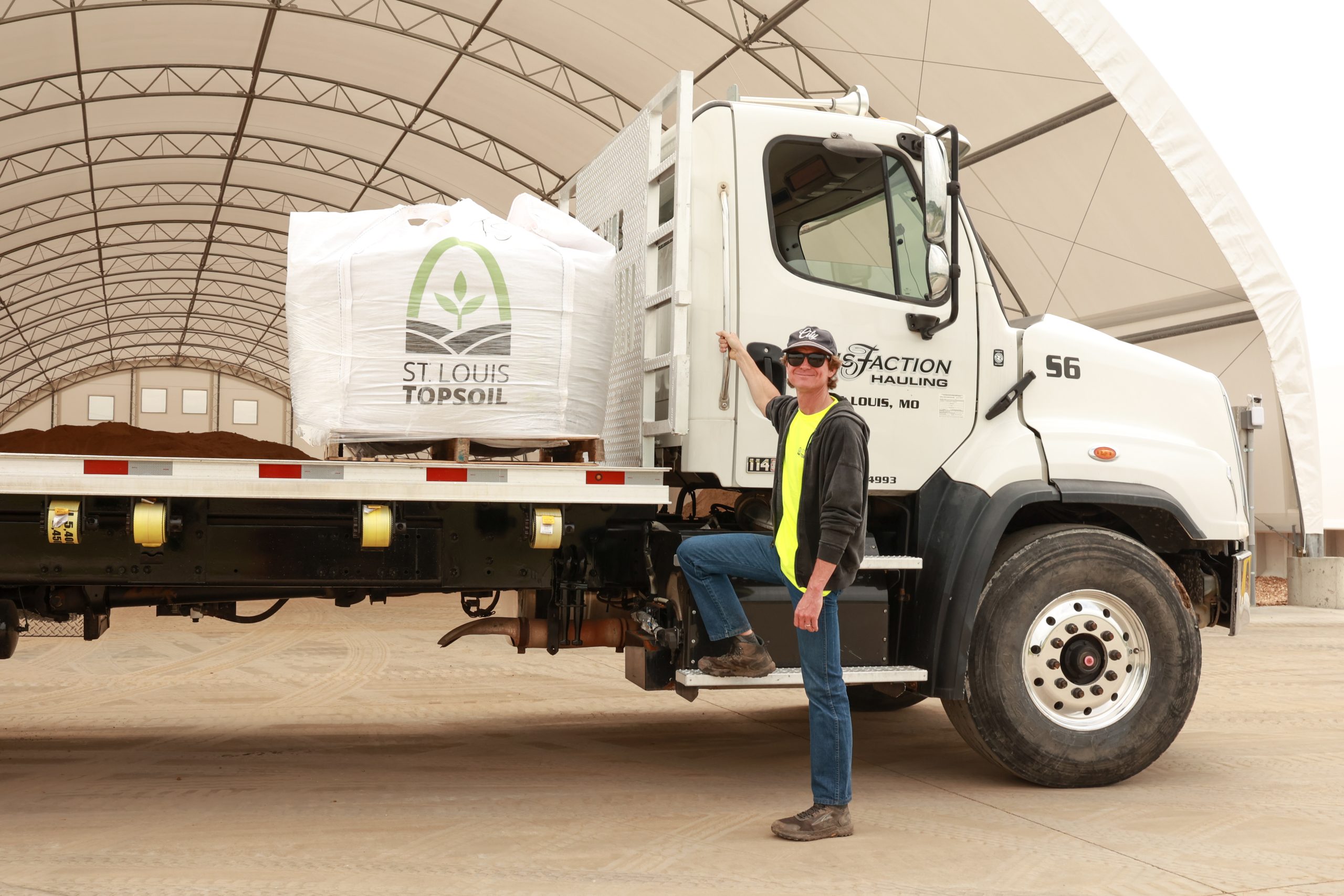
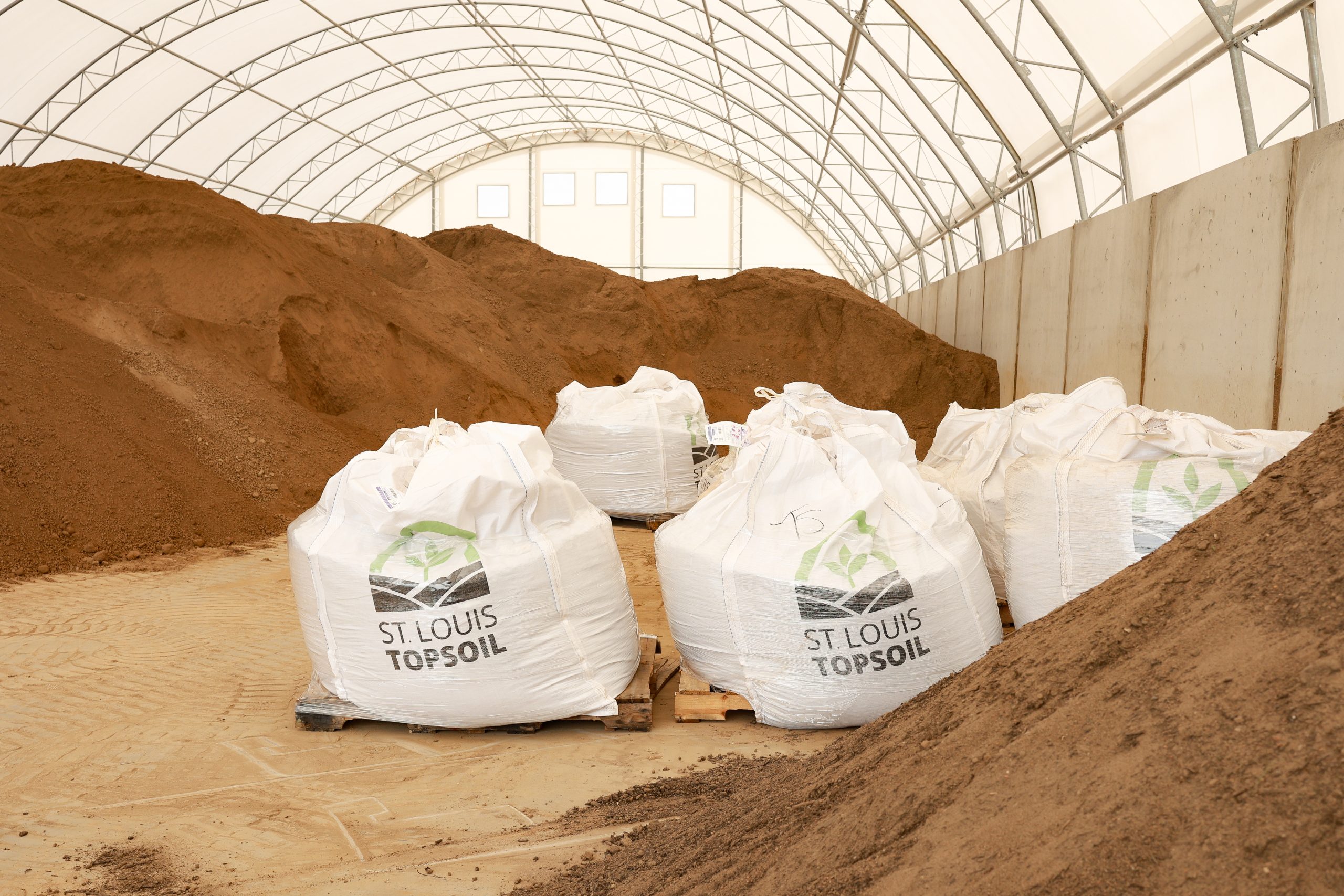
At St. Louis Topsoil, each bag holds 1 cubic yard of soil and is delivered on a pallet that can be placed in an accessible location. This keeps your space cleaner, makes the material easier to manage, and works especially well for tighter areas or phased projects.
Bulk bags give you the flexibility to work at your own pace—without giving up the convenience of ordering in bulk.
Yes—pickup is a great option if you have the right setup and want to handle things on your own timeline.
A few things to keep in mind:
If you’re equipped for it, pickup can be a convenient way to get exactly what you need. And if not, delivery is always there to make things even easier.
When choosing between bulk garden soil and bagged soil, it largely depends on how the soil fits your project and how you want to handle the work.
Instead of thinking in terms of “which is better,” it’s more helpful to think about which option makes your project easier to complete from start to finish.
If you’re still on the fence, here’s a simple way to approach it:
If you’re planning a project, working with a local supplier can make all the difference. Look for high-quality, screened soil and delivery options that fit your space—whether that’s a traditional drop-off or bulk bags delivered on pallets.




Planting may seem as simple as digging a hole and setting in a shrub, flower, or tree—but the small details matter. How you prepare the soil, handle the roots, and care for the plant in the first few weeks can…
 Material Calculator