Knowing Matters for Healthy Plants & Living Landscapes
St. Louis Topsoil : Jan 19th, 2026
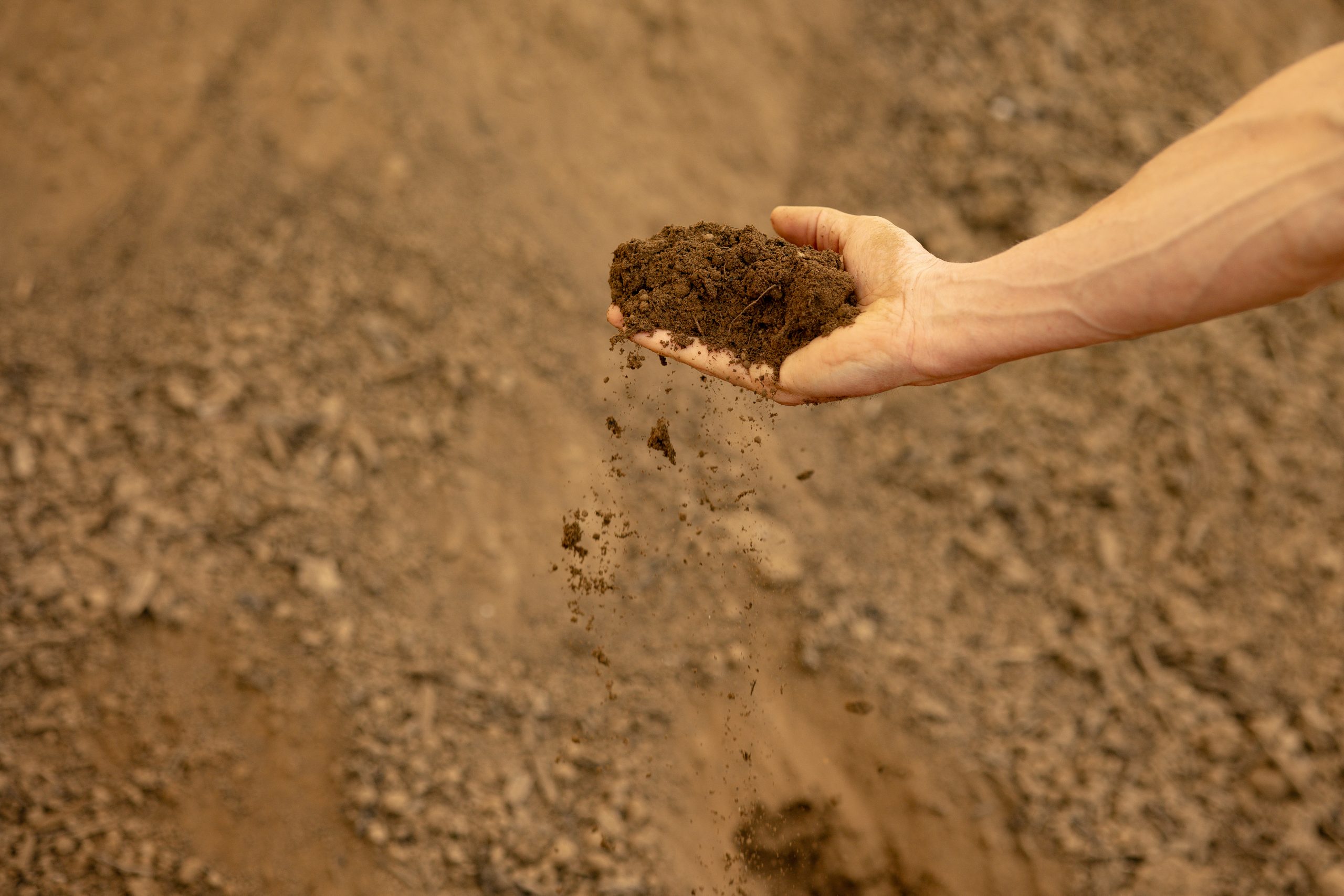
If you’ve ever heard someone say, or even said it yourself, “It’s just dirt,” you’re in good company. The terms soil and dirt are often used interchangeably—but when it comes to gardening, landscaping, and long-term plant health, the difference is huge.
One supports life; the other struggles to.
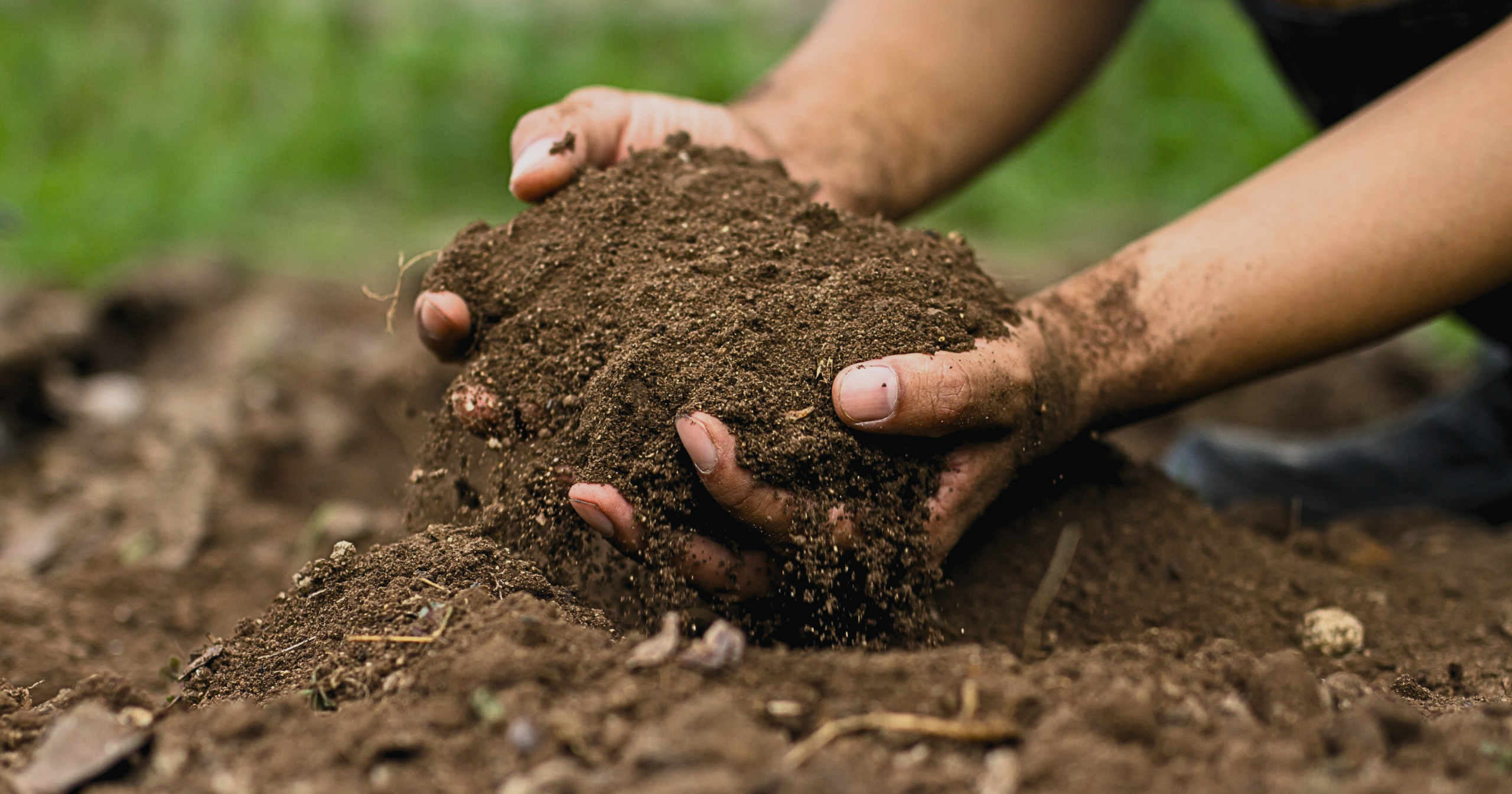
As a local St. Louis Topsoil expert explains, “Soil is filled with living organisms, minerals, and nutrients. It’s alive. It’s filled with life.” Dirt, on the other hand? “It’s not good for much—other than making a mess.”
Once you understand the difference between soil and dirt, a lot of common gardening frustrations suddenly make sense. So, let’s dig in!
Soil and dirt might look the same, but they behave quite differently.
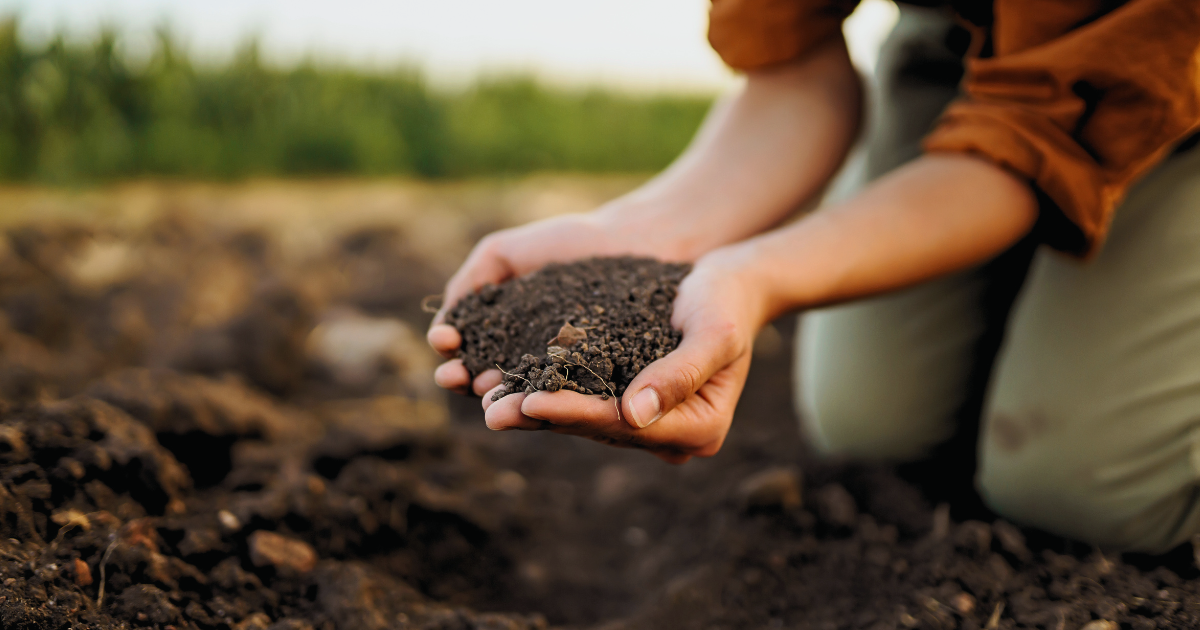
Soil is alive and actively supports plant growth.
Dirt is soil that’s been displaced, compacted, or depleted—basically soil that’s “lost its purpose,” explains Joe.
Healthy soil works with you. It holds water, feeds roots, and improves over time. Dirt does the opposite, making watering, fertilizing, and even digging feel like a constant fight.
At first glance, soil and dirt can look the same. Both are made of mineral particles, organic material, water, and air. But how those ingredients work together—or don’t—makes all the difference.
Dirt isn’t a scientific soil category. It’s a practical term gardeners and landscapers use to describe degraded soil—soil that has lost its ability to function properly.
Key takeaway: Dirt isn’t where soil starts—it’s where soil ends up when it’s damaged.
Soil isn’t just a growing medium—it’s an ecosystem.
Healthy soil functions as a living system made up of three interconnected components:
That biological piece is what truly separates soil from dirt. Soil supports life because, well, it’s alive.
That’s why we always say: “Organic matter is food for all those microbes in the soil, keeping it alive.”
When soil has structure, balance, and life, it becomes easier to work with, not harder. Plants grow better, watering becomes more efficient, and the soil improves over time instead of breaking down.
The difference between soil and dirt shows up in how the ground behaves day after day. You can see it in how water moves, how roots grow, and how easy the ground is to work with.
When soil is healthy, it functions like a system. When it’s degraded, those systems break down.
Here’s how soil and dirt compare in real-world conditions:
Put simply: Soil works with plants. Dirt works against them.
Healthy soil does more than grow plants. It:
Most plant problems don’t start above ground—they start under your feet.
If you’re not sure which you’re working with, try a few simple checks:
If most signs point toward compaction, runoff, and lifelessness, you’re likely dealing with dirt—not soil.
Soil doesn’t become dirt overnight—but it can happen faster than most people realize.
Repeated compaction, erosion, and disturbance slowly destroy soil structure. Organic matter disappears. Pore space collapses. Microbial life declines. Before long, soil stops functioning.
And once soil loses air and space, everything suffers.
The good (and interesting) news? Dirt isn’t permanent! With the right approach, dirt can be rebuilt into healthy, functional soil again.
As Joe explains, there are simple, yet powerful ways to turn dirt back into soil:
Organic matter feeds microbes and keeps soil alive.
Aeration restores pore space so air, water, and nutrients can move freely.
Cover crops and ground cover reduce erosion and heavy wear on the soil.
Overuse of harsh chemicals kills the beneficial organisms that make soil so beneficial.
As we like to remind people: “Soil’s alive, and dirt’s just along for the ride.”
When you understand the difference between soil and dirt, you stop guessing and start building landscapes that actually last. With the right foundation, plants grow stronger, maintenance gets easier, and success becomes repeatable.
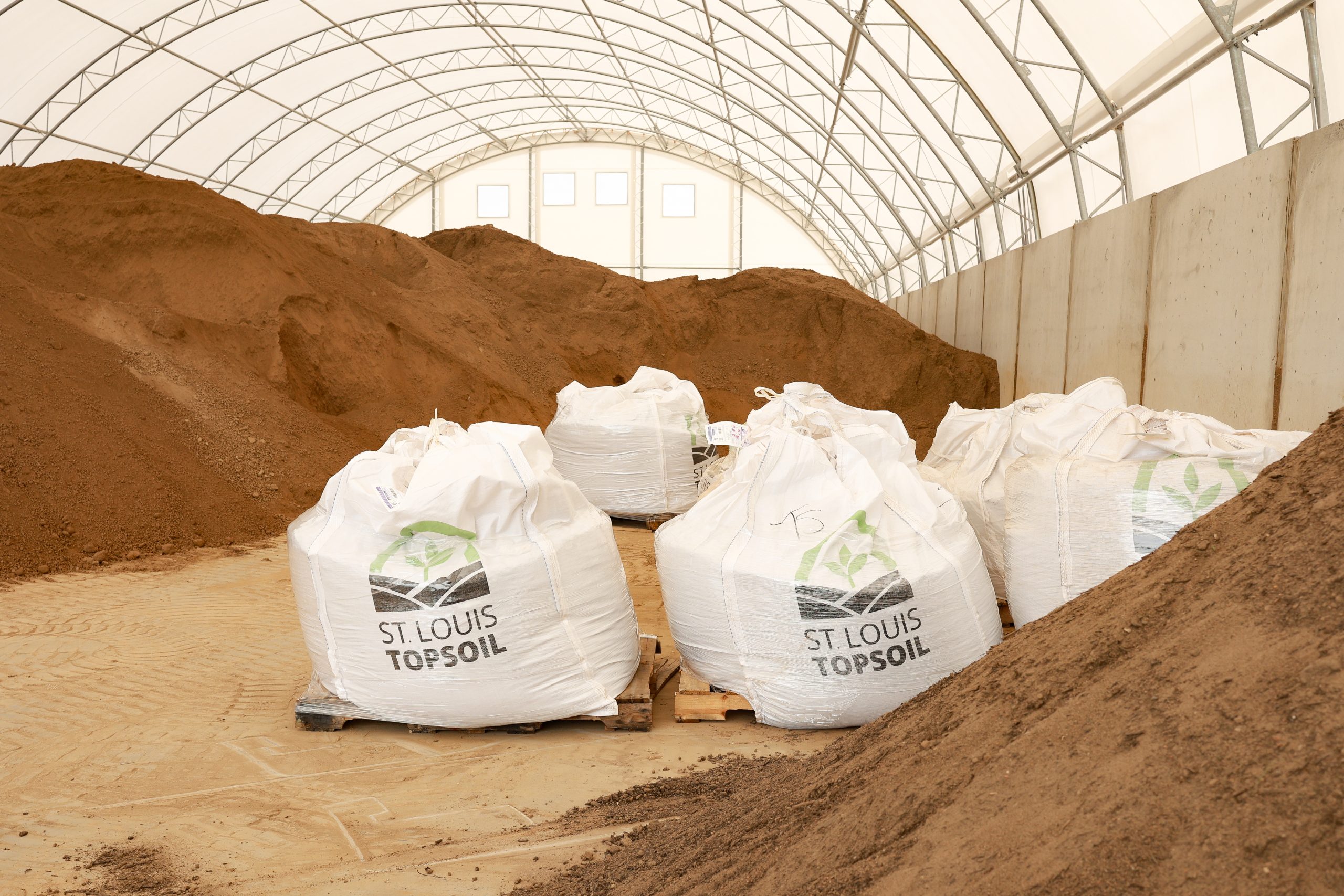
At St. Louis Topsoil, we focus on creating soil blends that rebuild structure, improve drainage, and support long-term plant health—because good landscapes start below the surface.




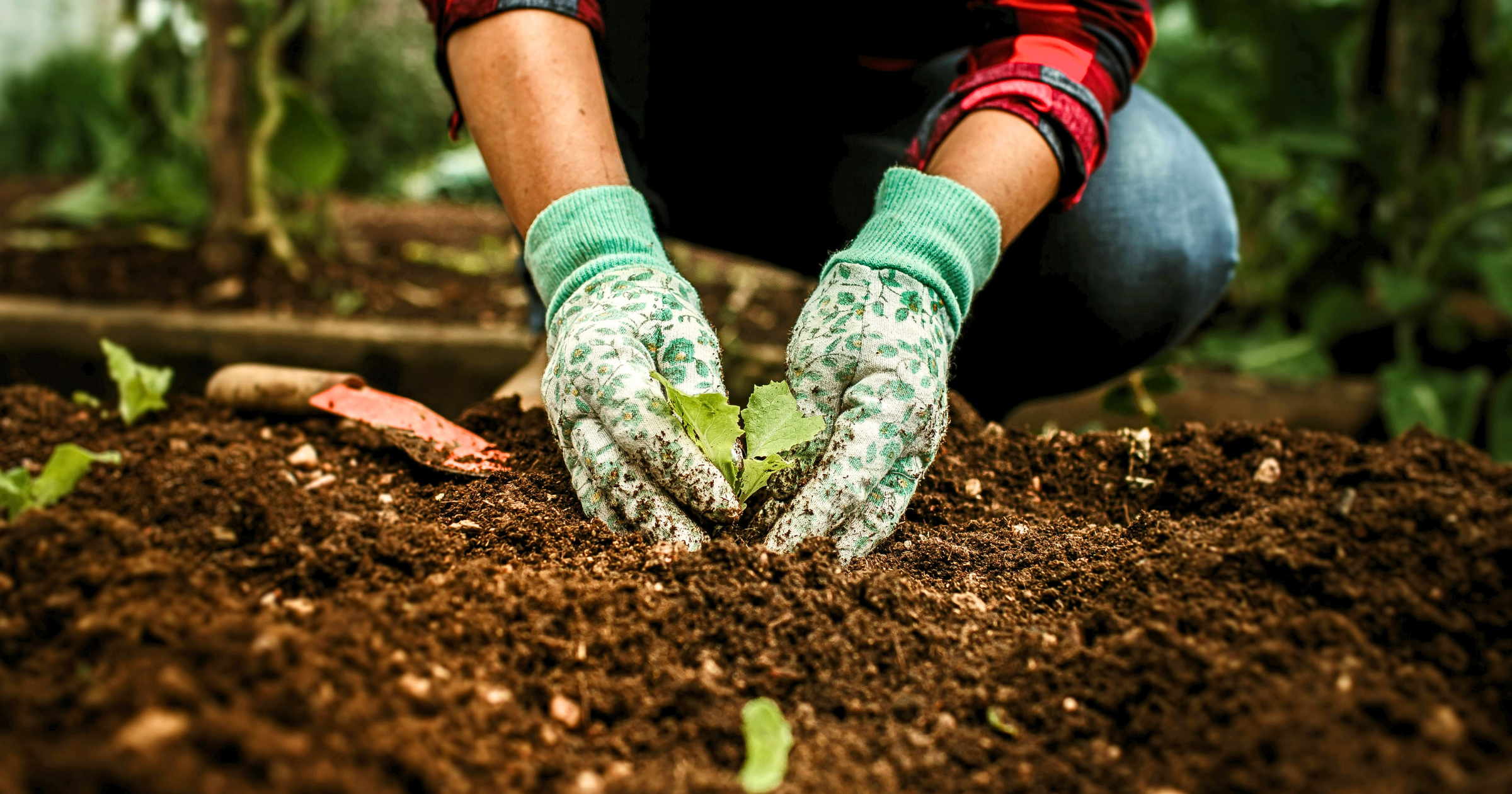
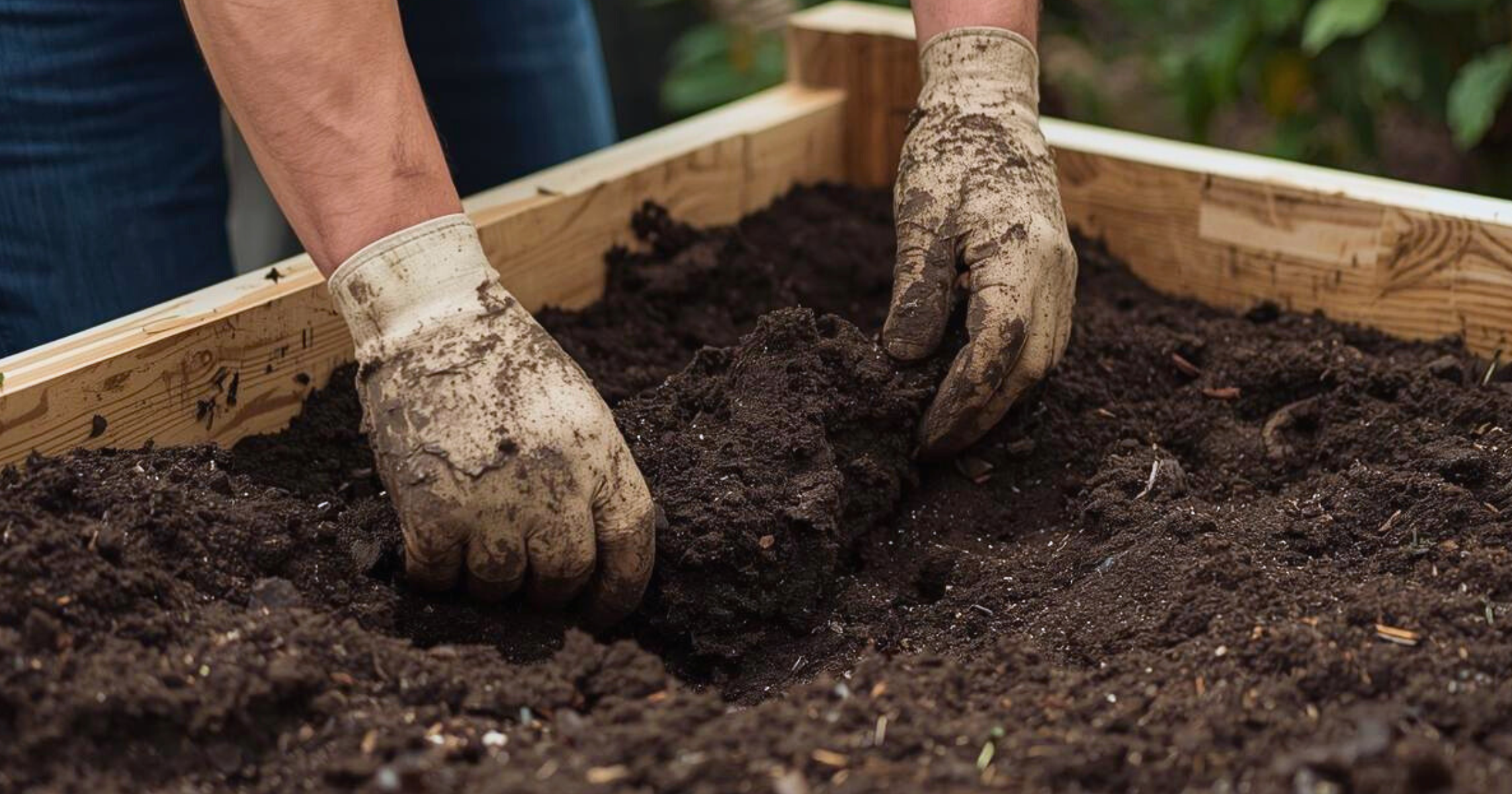
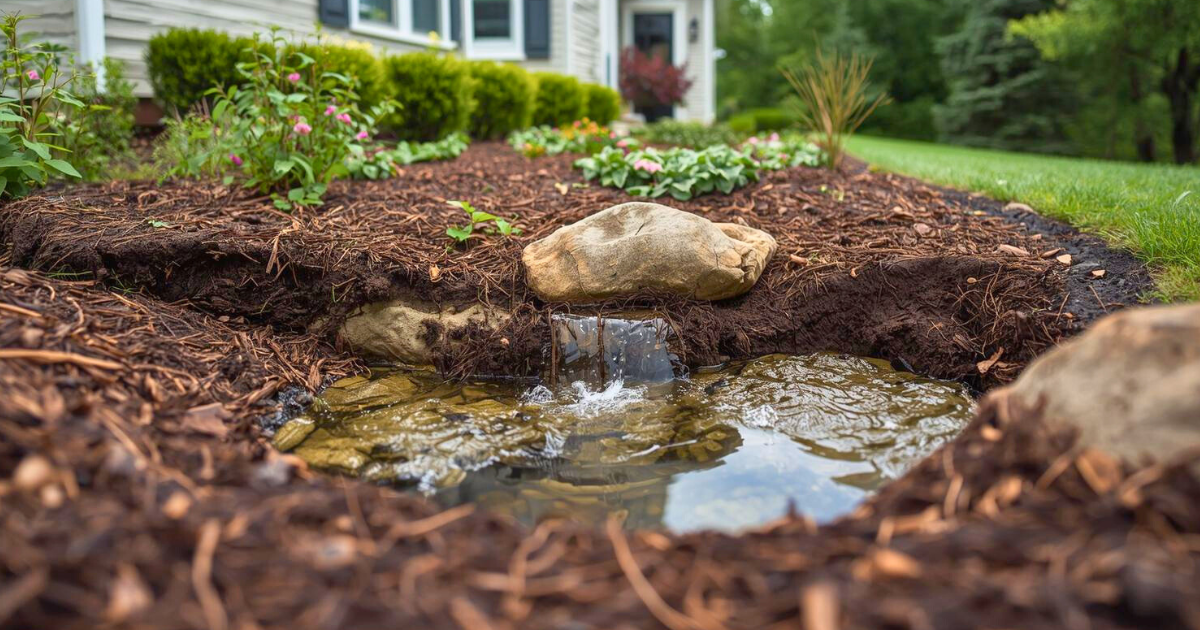
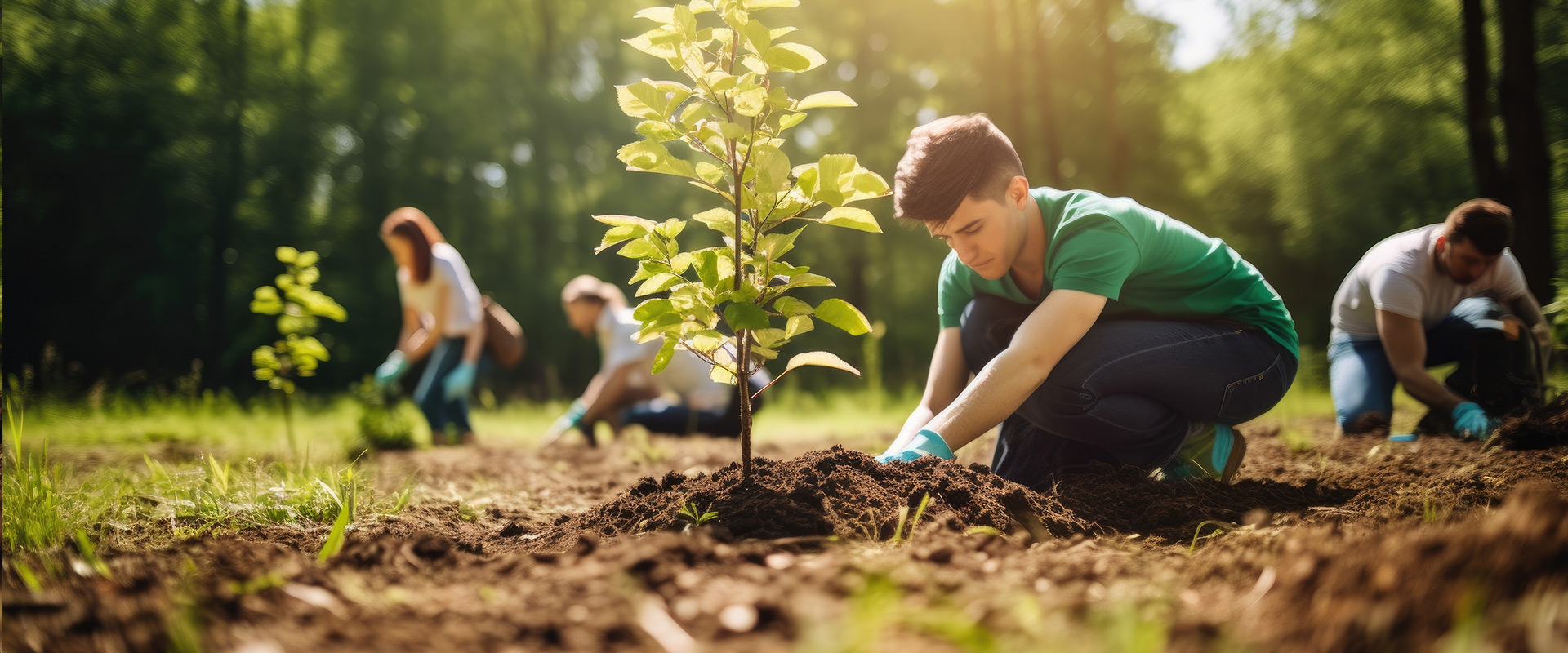
Planting may seem as simple as digging a hole and setting in a shrub, flower, or tree—but the small details matter. How you prepare the soil, handle the roots, and care for the plant in the first few weeks can…
 Material Calculator