A Step-by-Step Guide for Healthy, Thriving Plants
St. Louis Topsoil : Nov 20th, 2025
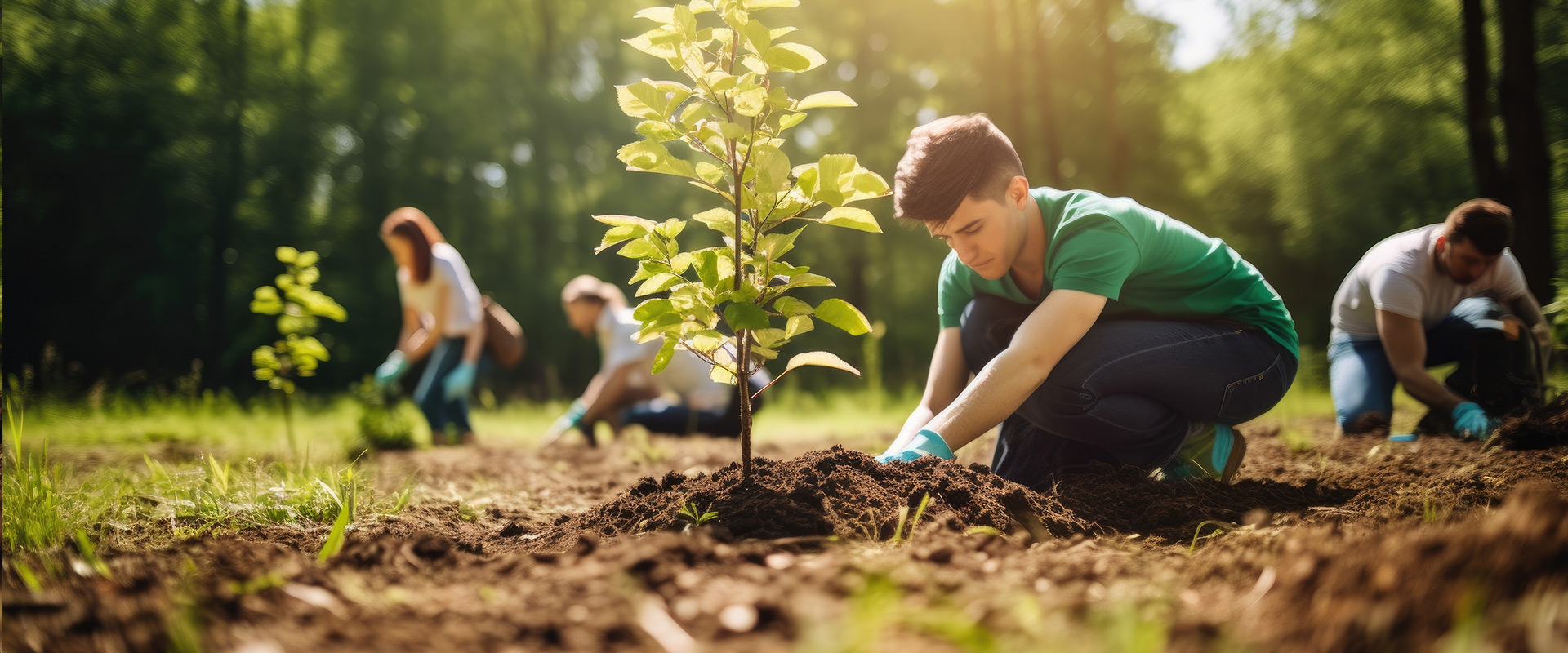
Planting may seem as simple as digging a hole and setting in a shrub, flower, or tree—but the small details matter. How you prepare the soil, handle the roots, and care for the plant in the first few weeks can make all the difference between a healthy, thriving plant and one that struggles.
St. Louis Topsoil experts share a detailed yet simple step-by-step guide to planting the right way.
Before anything else, call 811 to have your utility lines marked. Many homeowners skip this step, but it’s critical.
Even planting a small tree or shrub can bring you dangerously close to gas, water, or electrical lines. Taking five minutes now prevents costly or dangerous accidents later.
Having everything ready makes the process faster and less stressful.
Pro Tip: Keep a wheelbarrow nearby. It makes moving soil and compost much easier and keeps your worksite tidy.
Most people instinctively dig a round hole, but a square hole helps plants grow stronger.
“When plant roots grow in a circle, they’ll eventually choke themselves out,” explains a local topsoil expert. “A square hole encourages roots to grow outward, helping the plant reach more nutrients and water.”
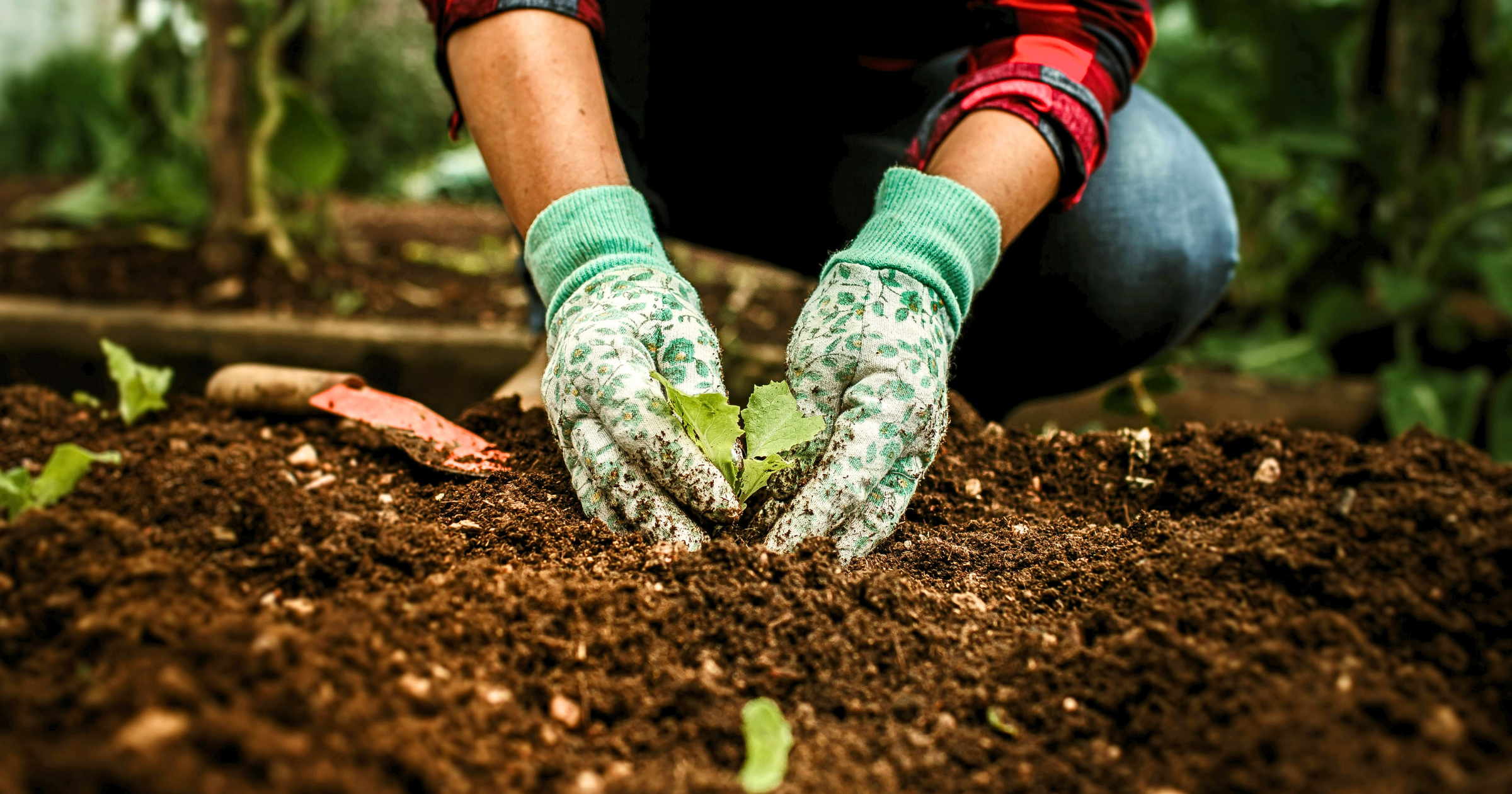
When you remove your plant from its pot, you’ll often see roots tightly wrapped around the soil. If planted as-is, those roots may continue circling, limiting growth.
This small step teaches roots to spread into the new soil, giving your plant a much better chance at long-term success.
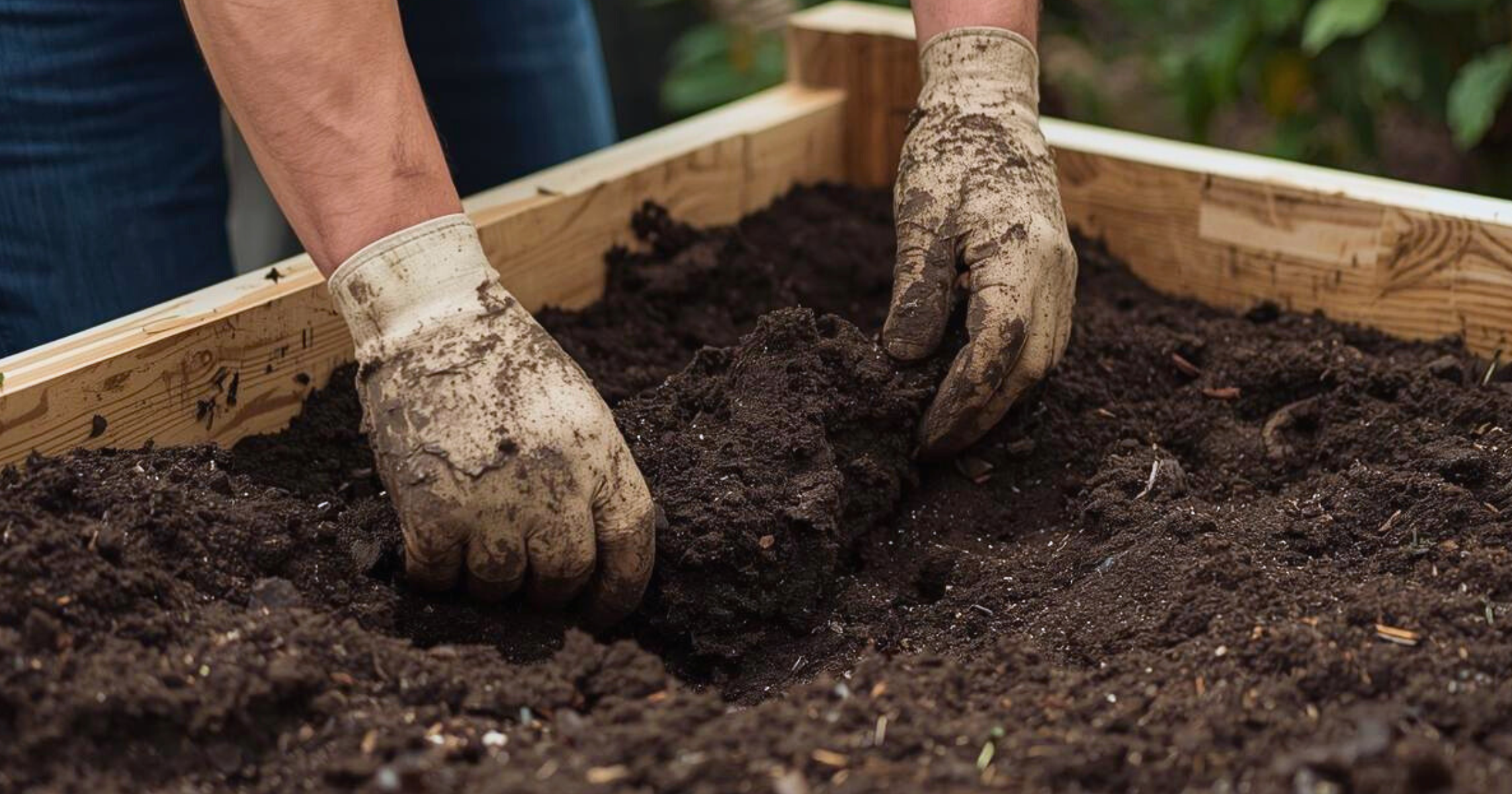
Once the root ball is set in place, it’s time to refill the hole. But what you put back matters.
We recommend using a 70/30 mix:
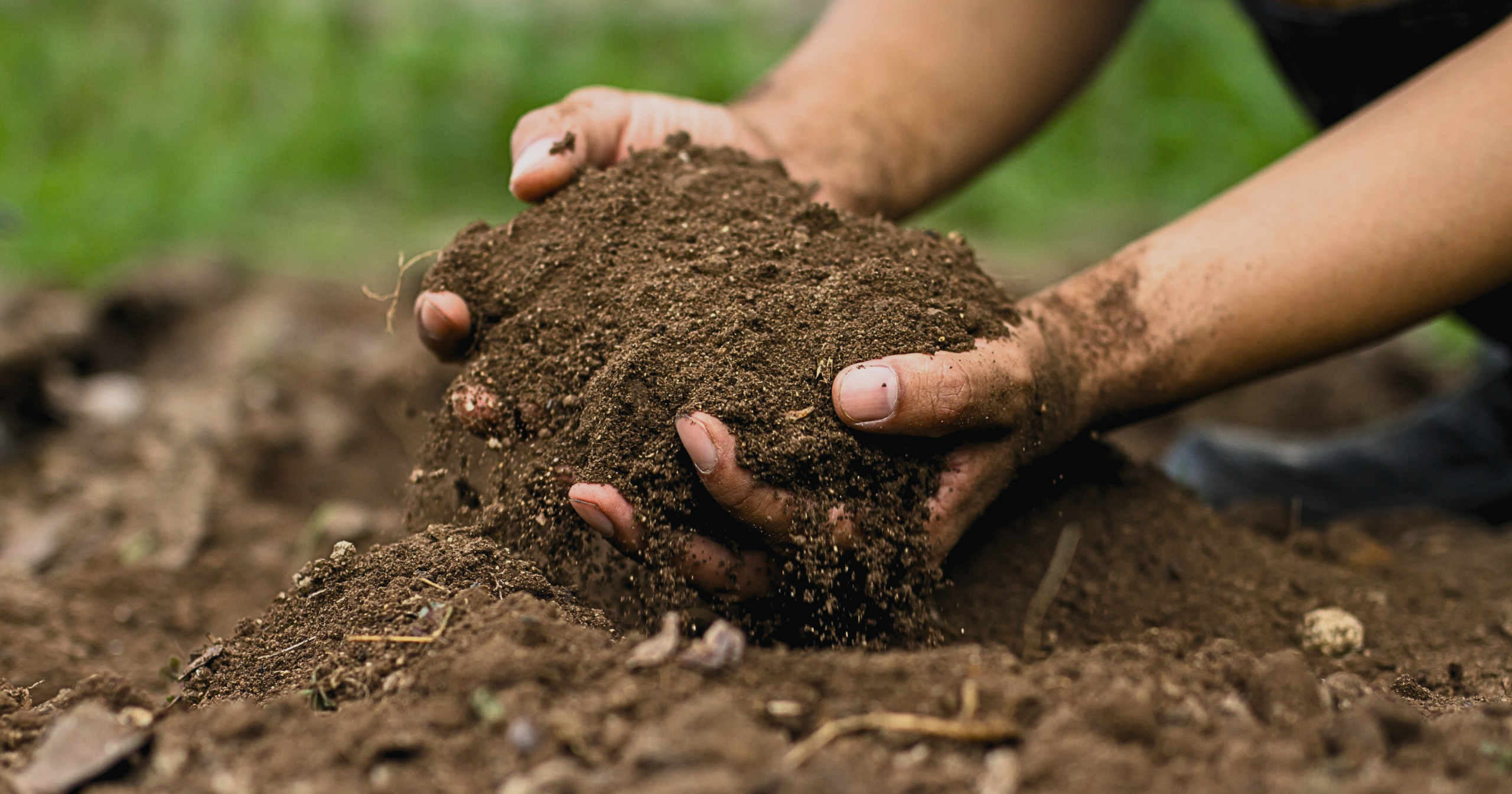
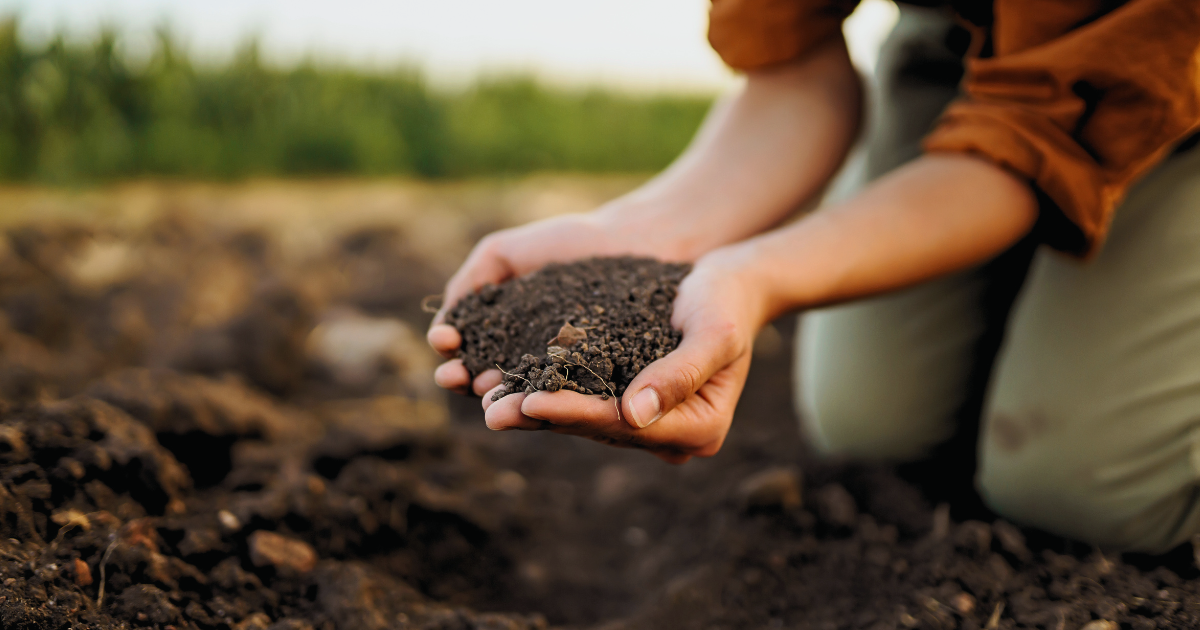
“Organic matter is the food for all those living microbes in the soil, making the soil alive,” Joe explains. This living soil environment supports healthier roots, better water retention, and stronger growth.
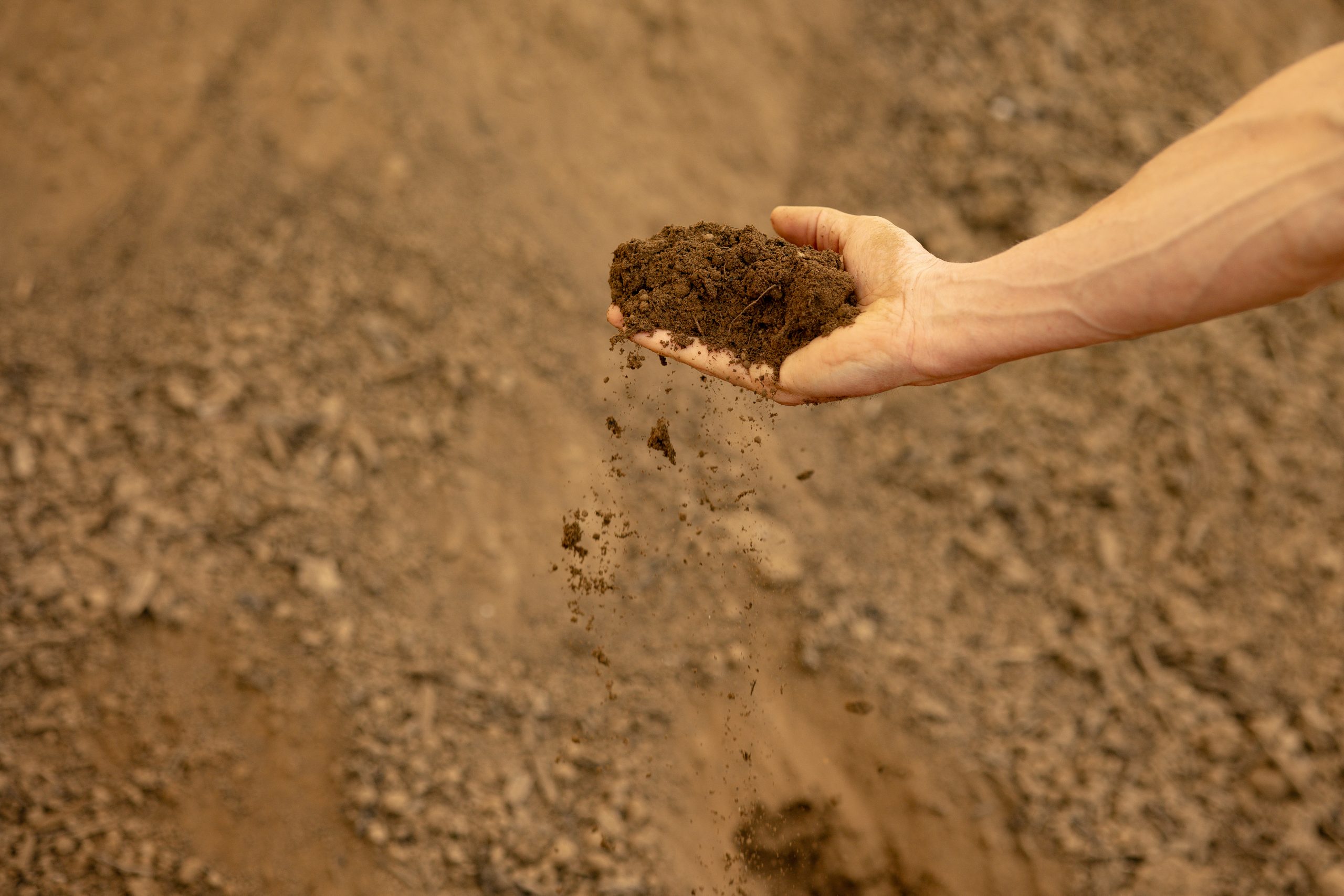
Common Mistake: Using only the soil you dug out. Native soils can often be compacted or low in nutrients. Mixing in compost creates the loose, fertile structure plants need to thrive.
Before watering in, take a moment to clear the planting area. Remove any trash, debris, or weeds that could compete for nutrients.
A clean planting space gives your plant the best start.
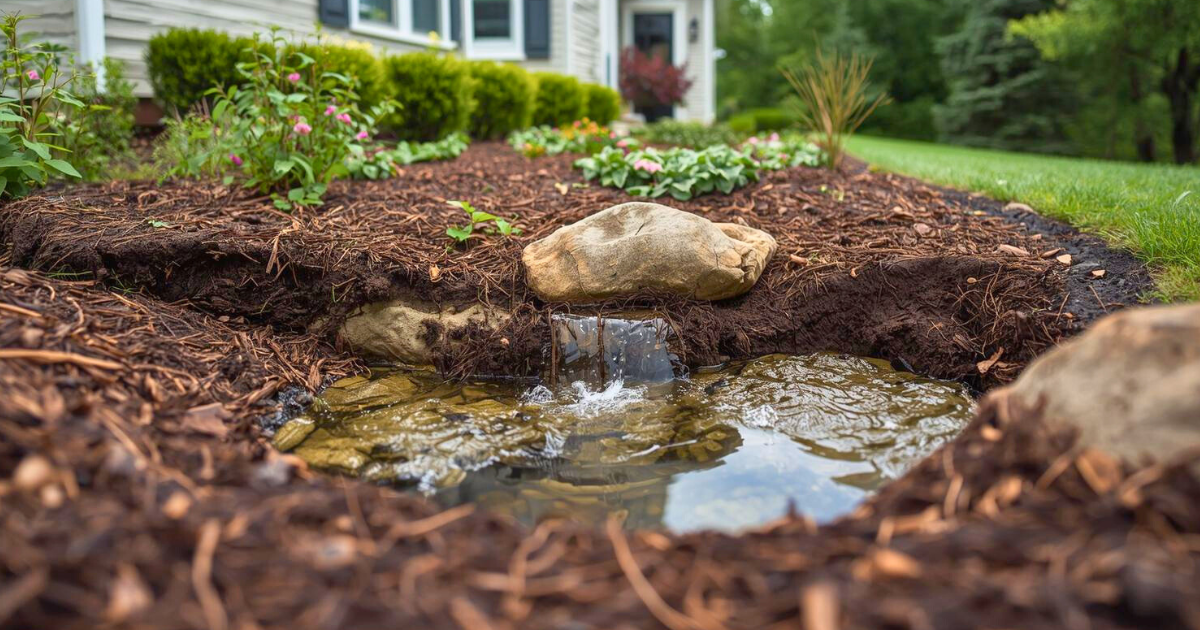
Water is the final—and perhaps most important—step. It settles the soil around the roots, removes air pockets, and provides immediate hydration.
Timing matters just as much as technique. Even with healthy soil and proper planting methods, choosing the right time of year can make or break your success.
The best planting windows depend on temperature, moisture, and the type of plant—but one rule always applies: roots need time to grow before facing extreme weather.
Spring and fall are the ideal planting seasons for most trees, shrubs, and flowers.
Planting during these shoulder seasons helps reduce transplant shock, makes watering easier, and allows roots to take hold in mild weather.
Mid-summer is the toughest time to plant, especially during long stretches of heat and dryness. High temperatures cause water to evaporate quickly, leaving roots vulnerable before they’re established.
If you must plant in summer, choose early mornings or evenings, keep the soil consistently moist, and apply mulch to help retain moisture.
In the St. Louis area, spring and fall are especially valuable planting seasons because of our dense clay soil and humid summers. Planting when temperatures are moderate gives roots time to anchor before the soil bakes hard or freezes solid.
As Joe explains, “I don’t recommend planting in the summer just because of the heat.” High temps can stress plants before they’re rooted in.
Whenever possible, aim to plant after a gentle rain—the soil will be soft, moisture levels ideal, and your new plants will have the best possible start.
Planting isn’t complicated, but doing it right makes a world of difference. By digging the right hole shape, loosening the roots, and surrounding them with nutrient-rich soil, you’re setting up your plant for years of healthy growth.
And remember, the secret to every thriving garden or landscape is the same: healthy soil. Give your plants a living, nutrient-rich foundation, and they’ll reward you with beauty and strength season after season.




 Material Calculator