When to Start + Easy Lawn & Garden Prep Tips
St. Louis Topsoil : Feb 24th, 2026
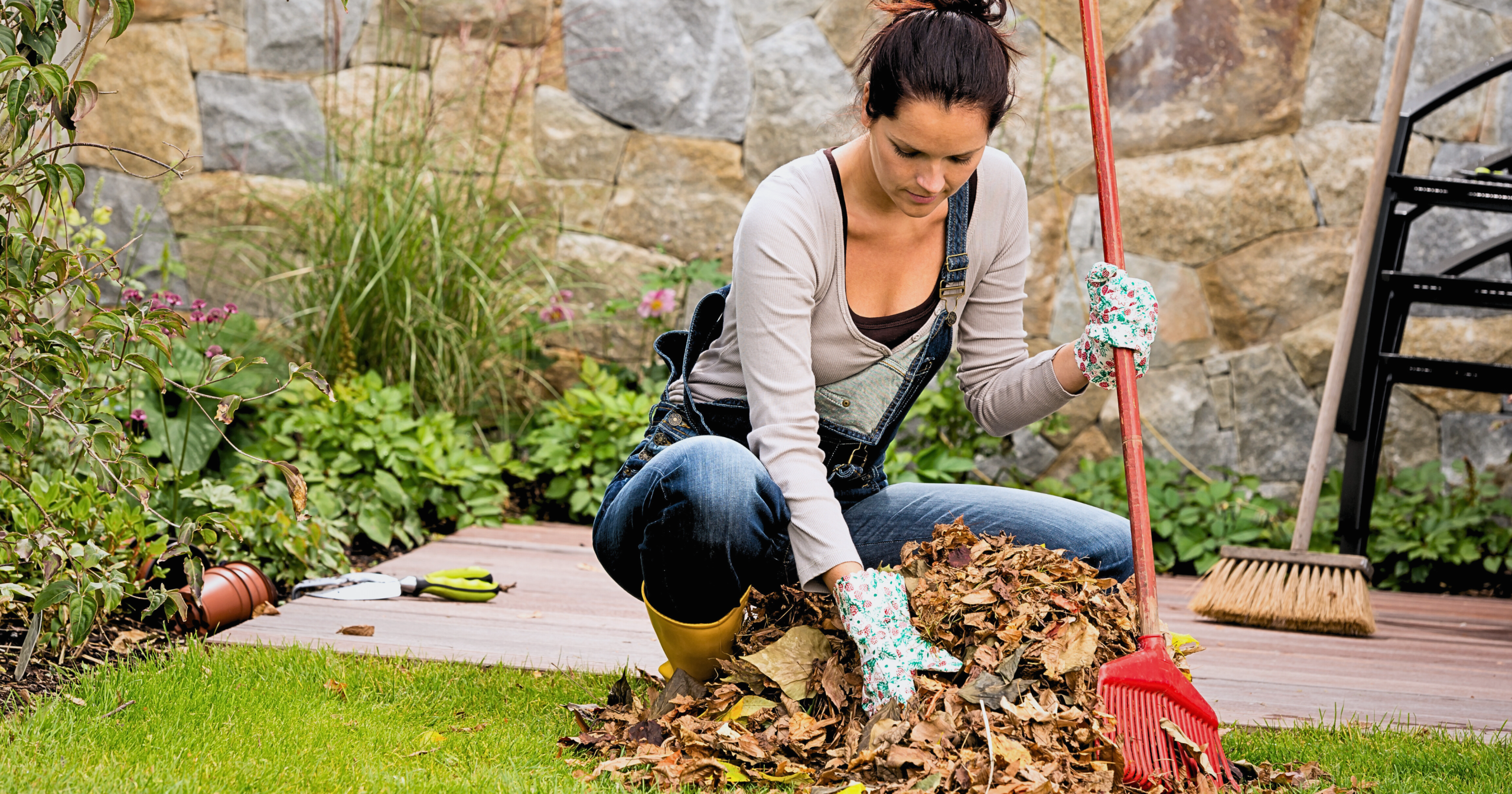
Spring cleaning is on just about everyone’s mind this time of year, but is your yard on the checklist, too? Whether it is or isn’t (yet), we’ve got you covered.
A thoughtful spring yard cleanup helps your lawn recover from winter damage, improves soil conditions, and sets the stage for healthier growth all season long. The best-looking yards don’t start on planting day—they start with smart prep from the ground up.
Let’s roll up our sleeves and dig in.
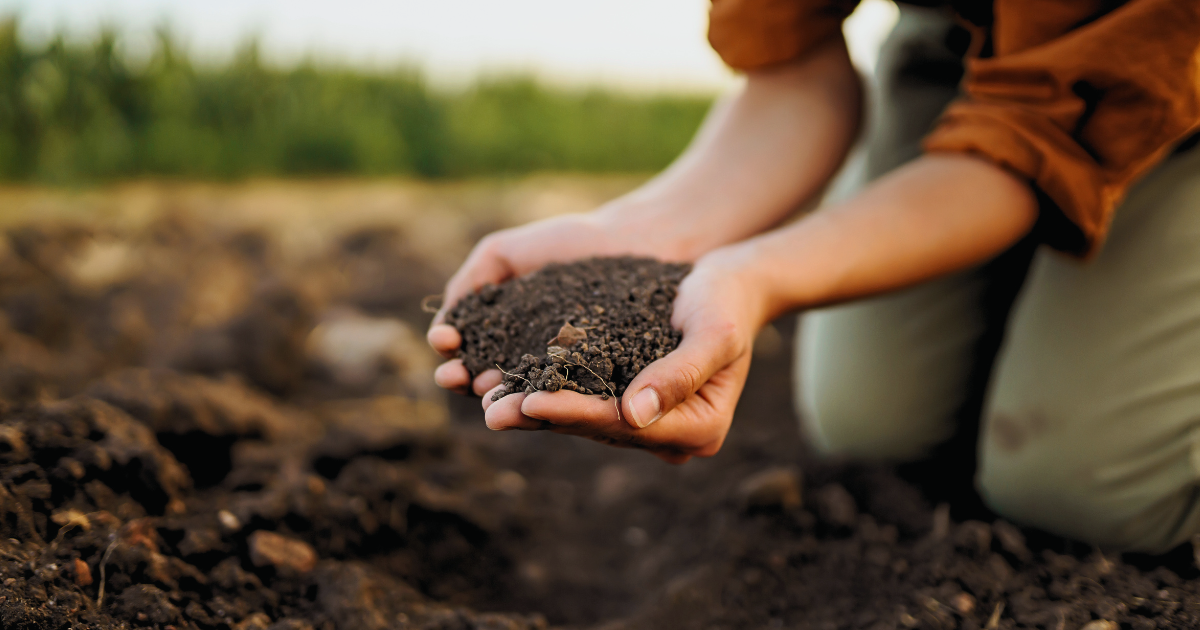
A simple rule: begin your spring yard clean-up once the soil has thawed and you can walk across it without leaving deep impressions. This window is ideal for shaping plants, clearing debris, and preparing soil before new growth really takes off.
In areas with heavier clay soil—common throughout the St. Louis region—early soil prep is especially important to improve drainage before spring rains arrive.
Spring yard cleaning isn’t just about making things look tidy—it’s about creating the right environment for healthy growth. Starting with structural cleanup and soil prep helps your yard recover from winter and prepares it for a smoother growing season.
Think of this checklist as a simple game plan—start with structural cleanup above ground, then shift your focus to the soil where real change flourishes.
Early spring is a great time to remove broken or overcrowded branches and encourage stronger growth patterns. Opening up tree canopies allows more light to reach lawns and garden beds, supporting healthier growth throughout the season.
Focus on removing limbs damaged by winter weather and branches that cross or rub against each other.
Light trimming keeps hedges looking clean while encouraging fuller growth. Different plants respond differently to pruning, so aim for simple shaping rather than heavy cuts early in the season.
Creating structure now helps plants grow evenly once temperatures rise.
Leaves, sticks, and leftover winter sand can block sunlight and slow early grass growth. Clearing surfaces during your spring lawn cleanup makes it easier to spot drainage issues, low areas, or compacted soil that need attention.
Once debris is cleared, you’ll have a better view of where soil improvements can make the biggest impact.
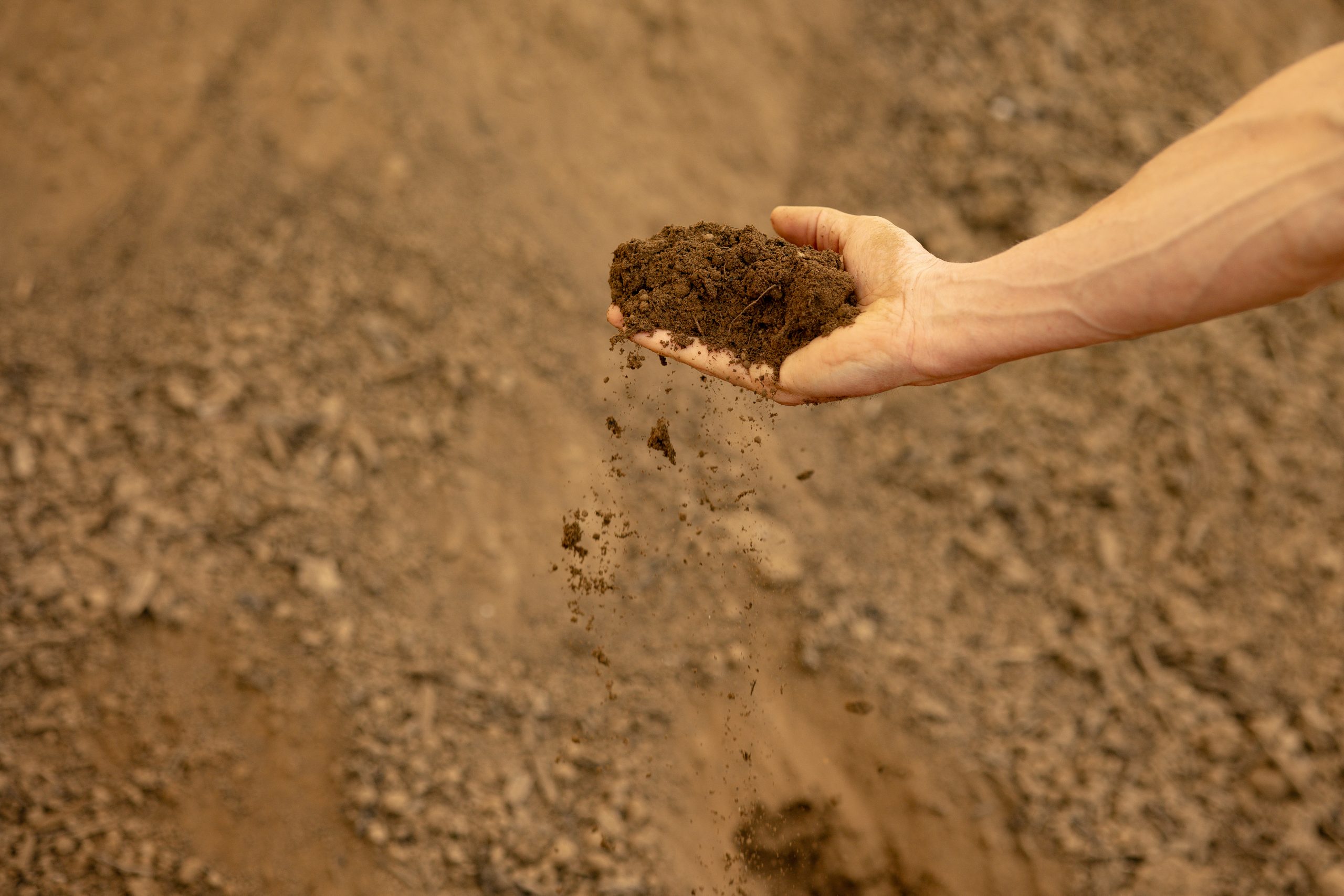
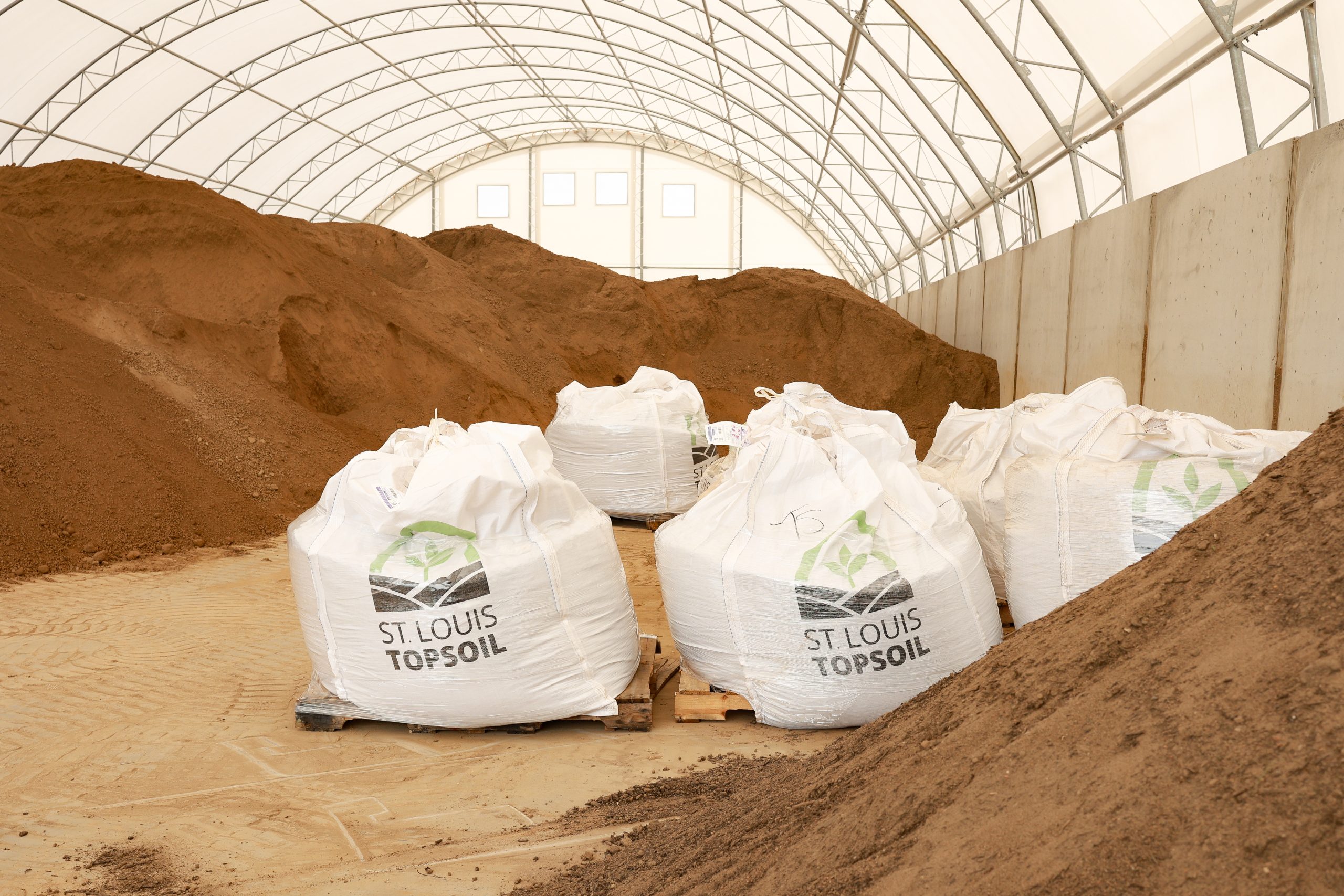
Adding a fresh layer of quality topsoil can restore structure, improve nutrient availability, and help grass grow more evenly. Think of it as giving your yard a reset before the growing season begins.
Healthy soil holds moisture without becoming muddy and allows roots to spread easily, reducing guesswork later.
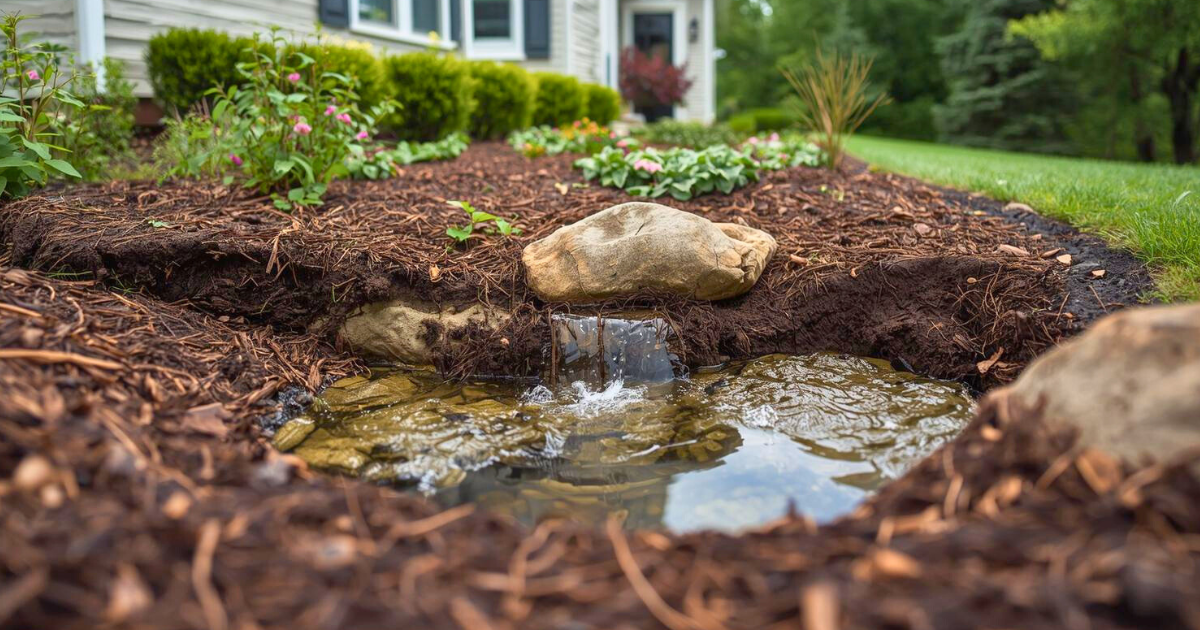
Low spots aren’t just cosmetic—they collect water and lead to patchy grass.
Leveling uneven areas during your spring yard cleanup helps prevent puddles, improves drainage, and creates a smoother surface for mowing later in the season. Adding soil early also gives it time to settle naturally before new growth starts.
Garden beds often need a little extra support after winter.
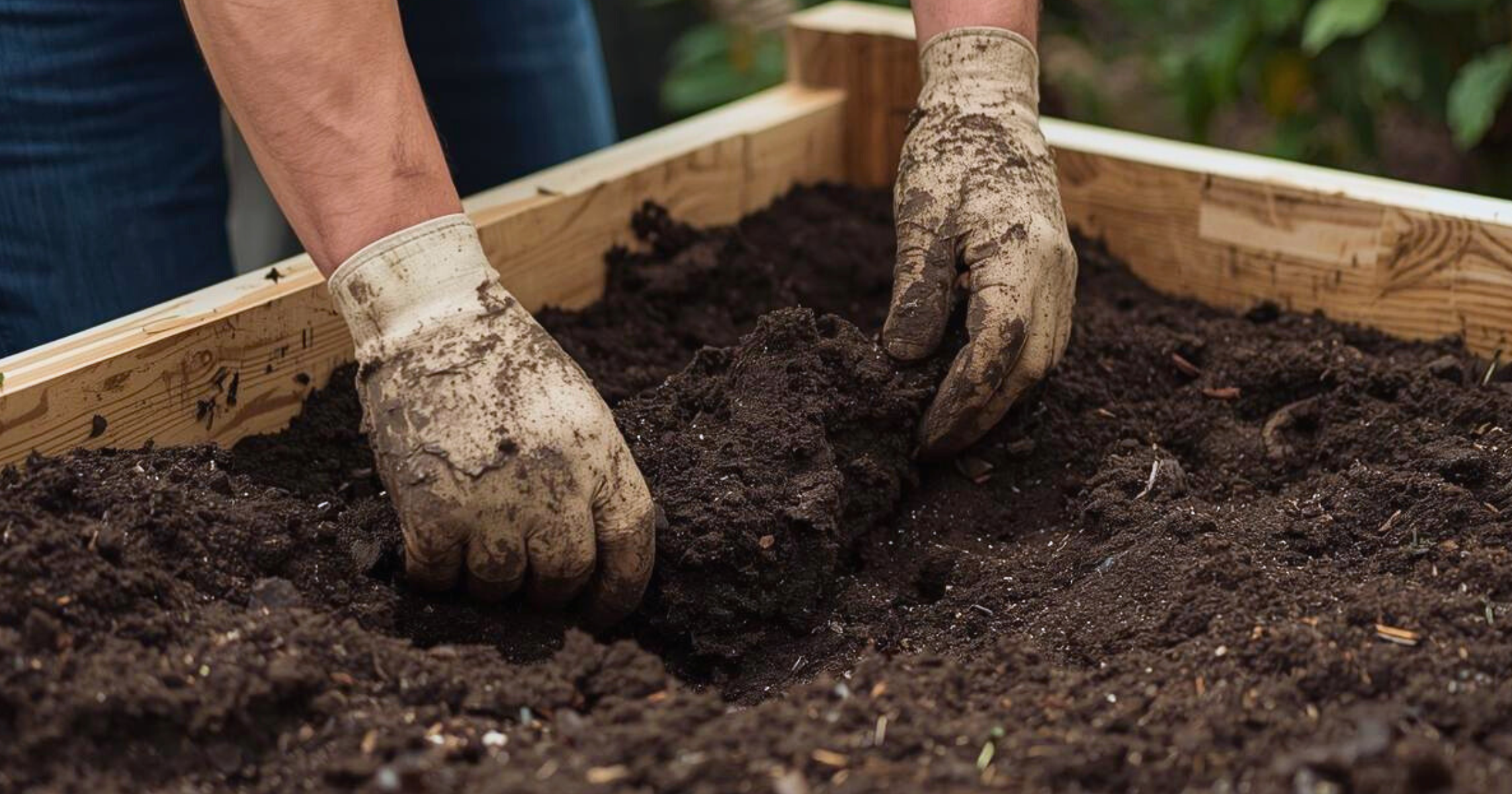
Mixing compost or a balanced garden soil mix into existing beds improves structure and gives plants a stronger start. Instead of waiting until planting day, prepping now allows nutrients to gradually integrate into the soil.
A well-balanced garden mix can help:
Preparing beds early also allows soil to absorb moisture and stabilize, which reduces transplant stress once planting begins.
Prepping early allows moisture to distribute evenly and prevents rushed decisions when temperatures finally warm up. Your future self—and your plants—will thank you.
Even with the best intentions, a few common missteps can slow down spring progress. Avoiding these mistakes helps your yard recover faster and sets up stronger growth throughout the season.
If soil sticks to your boots or tools, it’s not ready yet. Working in soggy soil can cause compaction that takes months to fix.
Scalping the lawn may seem like a fresh start, but it can stress grass and invite weeds before growth fully begins.
Uneven areas only get worse once spring rain arrives. Addressing them early prevents puddles and patchy growth later.
One of the biggest spring yard cleaning mistakes? Waiting until you’re ready to plant before working the soil.
Healthy soil takes time to settle and absorb moisture. Early preparation gives plants a stronger foundation once they are put in the ground.
A successful spring yard cleanup goes beyond trimming branches or clearing debris—it’s about creating a strong foundation for the entire growing season.
Pruning, shaping, and cleaning help your yard look ready for spring, but improving soil structure is what keeps it thriving long-term. When soil is refreshed early, lawns grow thicker, plants establish faster, and maintenance becomes easier throughout the season.
Healthy yards truly start from the ground up!
When should I start spring yard cleanup?
Begin once the ground has thawed and dried enough to walk on without leaving deep footprints.
What does spring yard cleaning include?
Typical tasks include pruning, trimming hedges, clearing debris, leveling uneven areas, and preparing soil before planting.
Why is soil prep important during spring yard clean-up?
Most lawn and garden problems start below the surface. Improving soil structure early supports stronger roots and healthier growth.




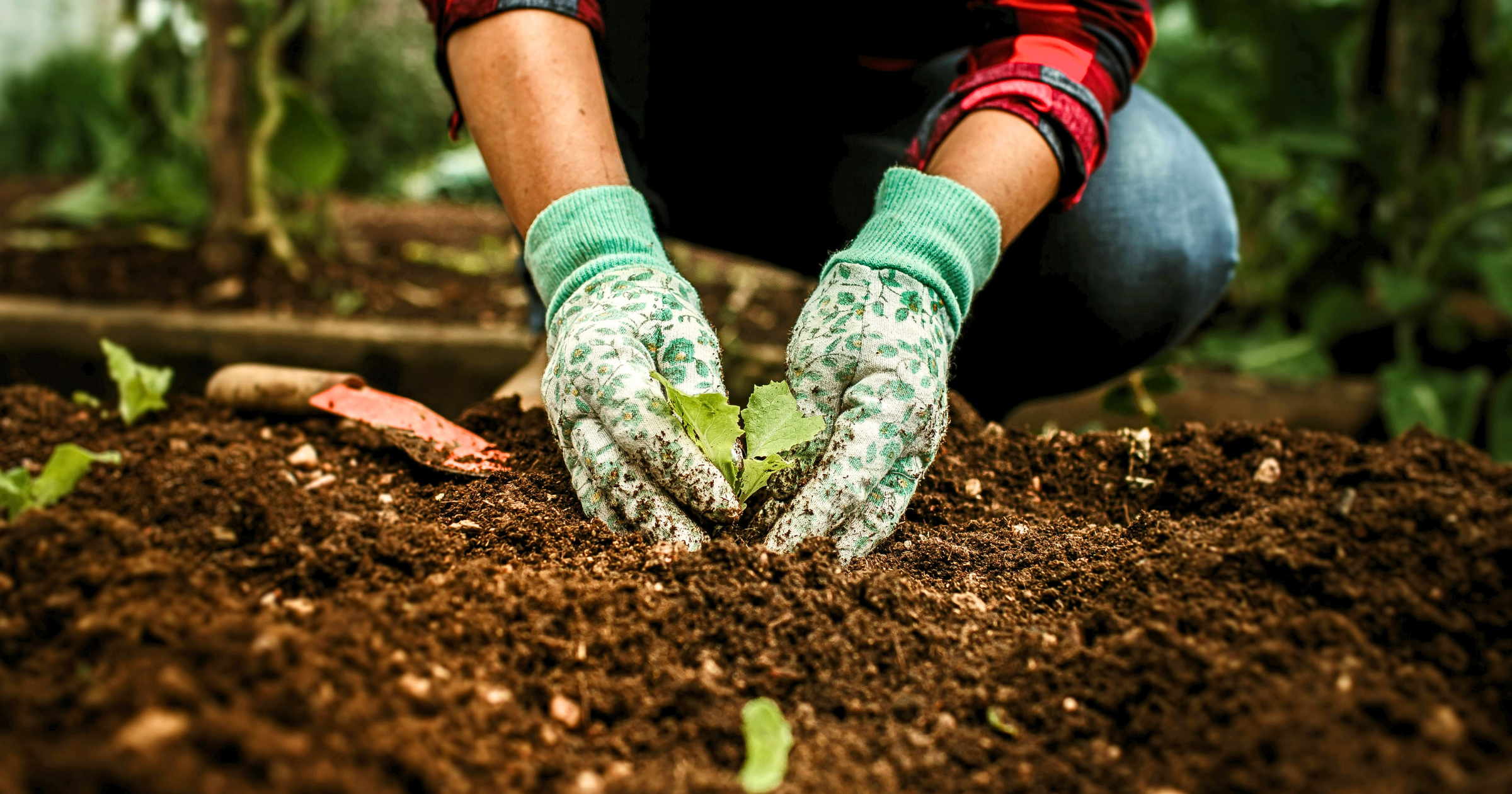

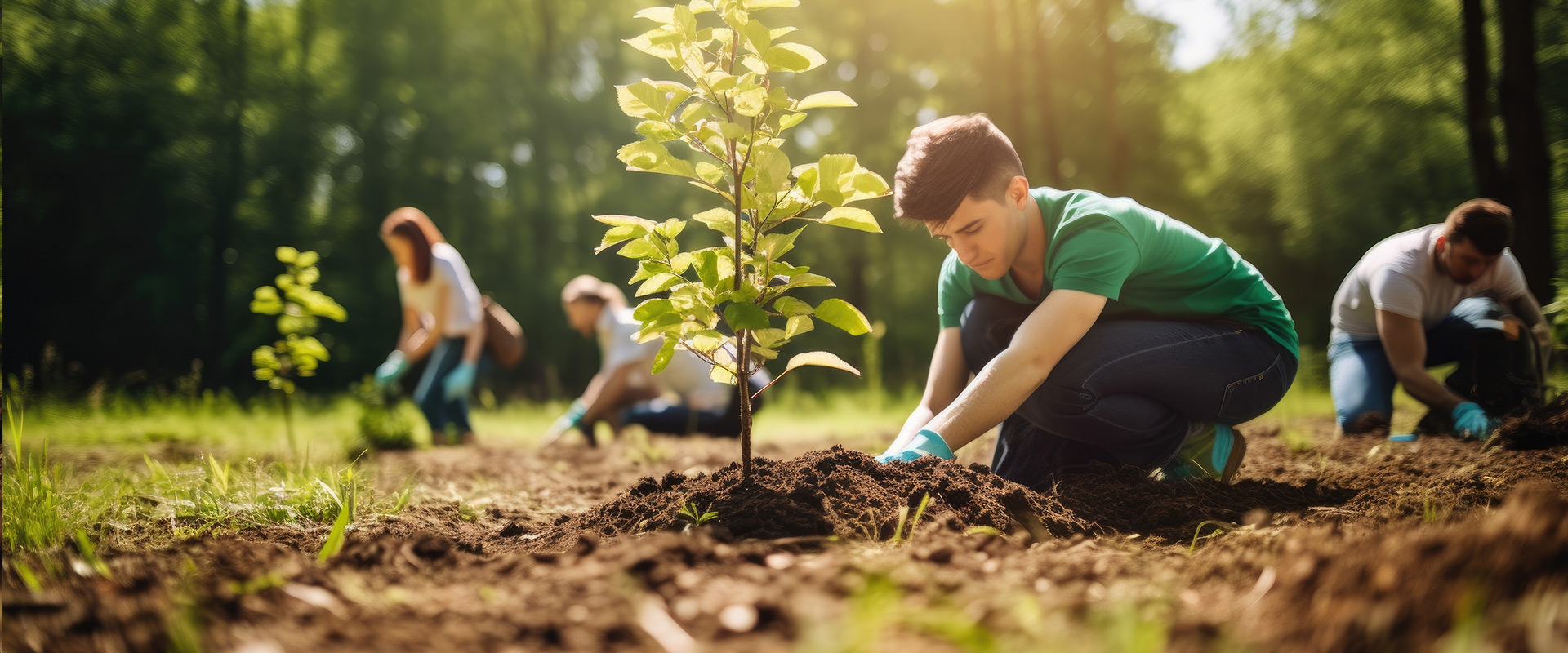
Planting may seem as simple as digging a hole and setting in a shrub, flower, or tree—but the small details matter. How you prepare the soil, handle the roots, and care for the plant in the first few weeks can…
 Material Calculator