A Simple Guide to Choosing the Right Soil for Lawns, Gardens, and Landscaping Projects
St. Louis Topsoil : Dec 9th, 2025
When you’re starting a landscaping or gardening project, choosing between topsoil vs garden soil can feel surprisingly confusing. The names sound similar, and people often use them interchangeably, but they’re not the same—and using the wrong one can lead to drainage problems, wasted money, or plants that simply don’t perform the way you hoped.
This guide breaks down garden soil vs topsoil in a practical, easy-to-understand way so you can feel confident about what to use for lawns, garden beds, raised beds, and general yard projects.
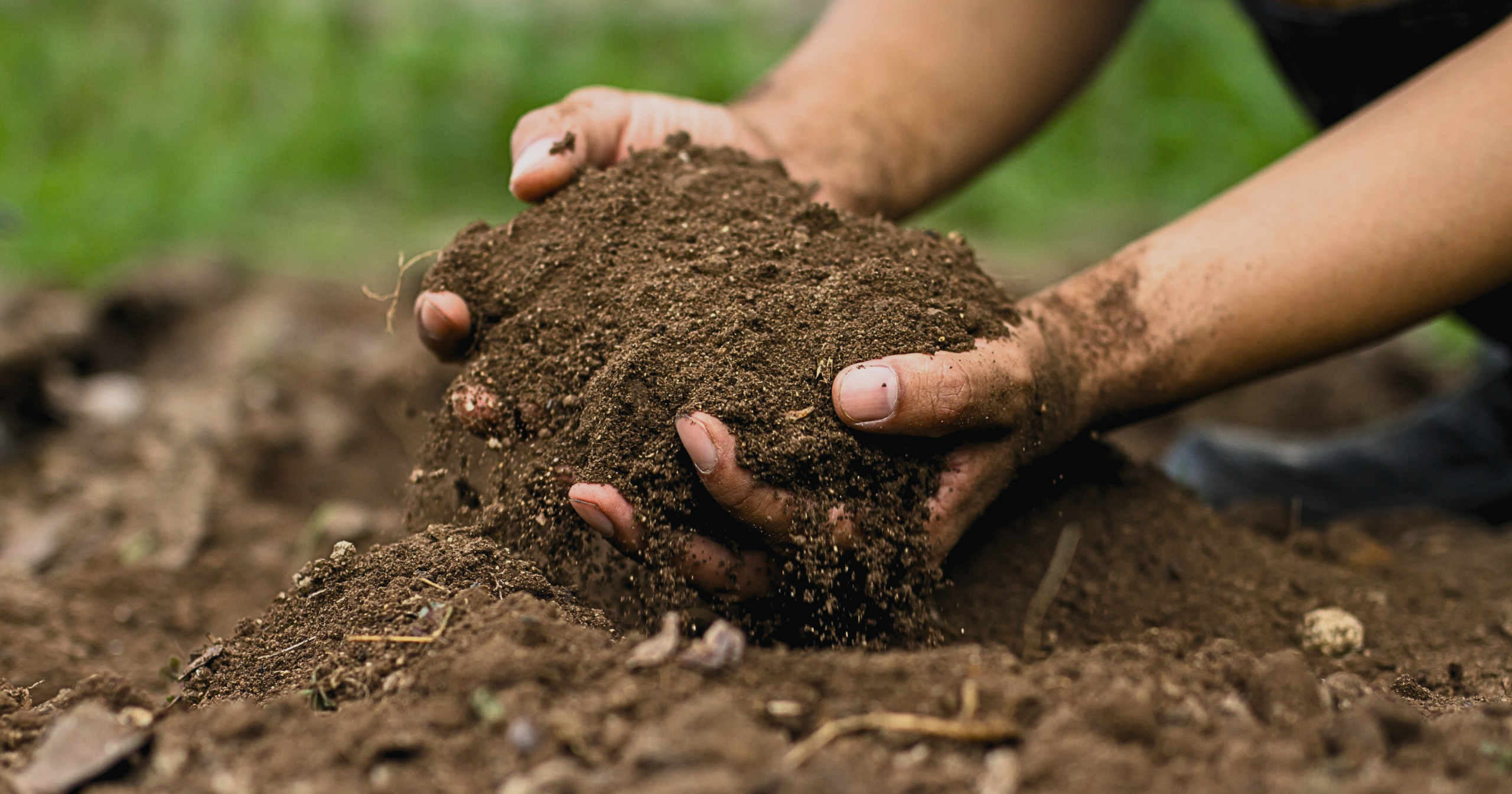
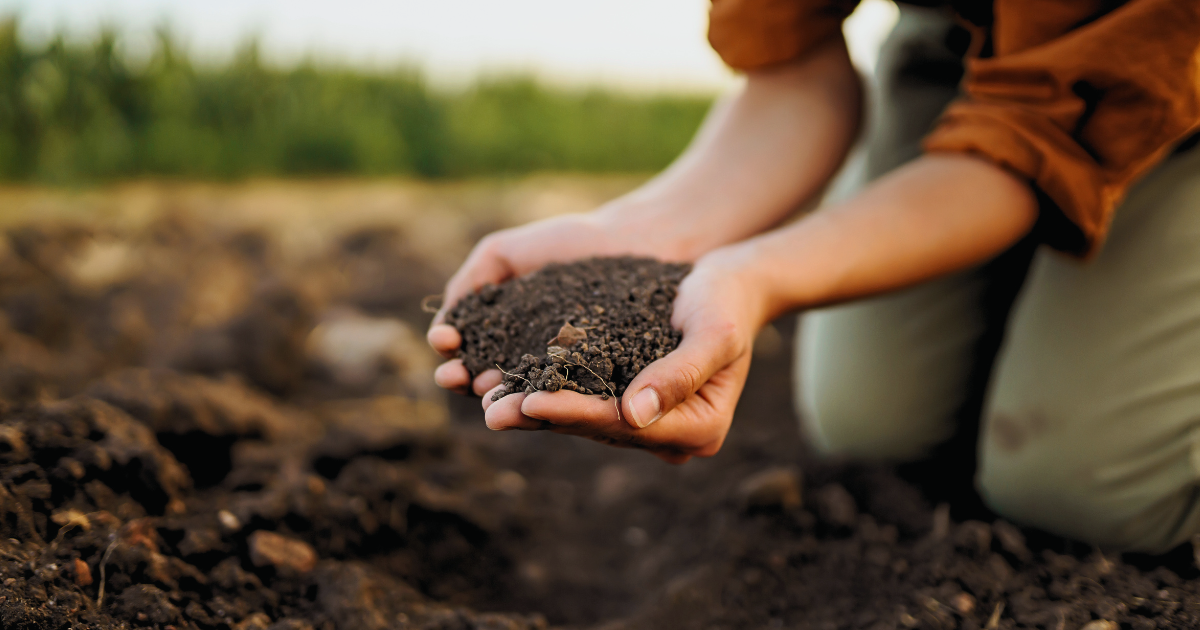
Topsoil is the uppermost layer of soil formed over time as minerals, microorganisms, and organic matter accumulate. It’s the foundation beneath nearly every landscaping project.
Because topsoil is a natural material, its quality can vary widely. Some topsoil is rich and loamy; some is dense and clay-heavy. This variation is normal—and it’s why choosing a reputable supplier matters.
Garden soil begins with topsoil, which is then amended and optimized for growing plants. Think of it as topsoil that has been improved with compost, organic matter, or fertilizers to create a nutrient-rich environment.
Garden soil is typically ready for planting right out of the bag or truck—no extra amendments needed.
| Property | Topsoil | Garden Soil |
| What It Is | Natural soil layer | Amended topsoil mix |
| Organic Matter | 1–6% | Often higher due to compost/fertilizers |
| Texture | Varies by source | Engineered for drainage + fertility |
| Nutrient Content | Natural variation | Enhanced with amendments |
| pH | Depends on land use | Adjusted for plant needs |
| Contaminants | Possible (urban/agricultural) | Lower when blended professionally |
| Best Use | Landscaping, lawns, filling low areas | Gardens, raised beds, flower/vegetable planting |
One of the most common homeowner questions is whether to choose topsoil or garden soil for grass. The answer is straightforward:
Topsoil is the best choice for grass—every time.
Here’s why:
Pro Tip: To boost lawn performance, you can mix a thin layer of compost into topsoil, but avoid replacing topsoil with garden soil entirely.
No need to overthink it—just match the soil to the project.
Use topsoil when:
Use garden soil for:
Pro tip: If you’re using natural topsoil for a garden, it’s often best to mix in compost or other organic amendments to bring it closer to the fertility of garden soil.
Topsoil quality depends heavily on its source, screening process, texture, and organic matter content. Because topsoil can vary so widely, it’s important to know what you’re getting before it’s delivered to your yard.
Before buying, it’s always smart to:
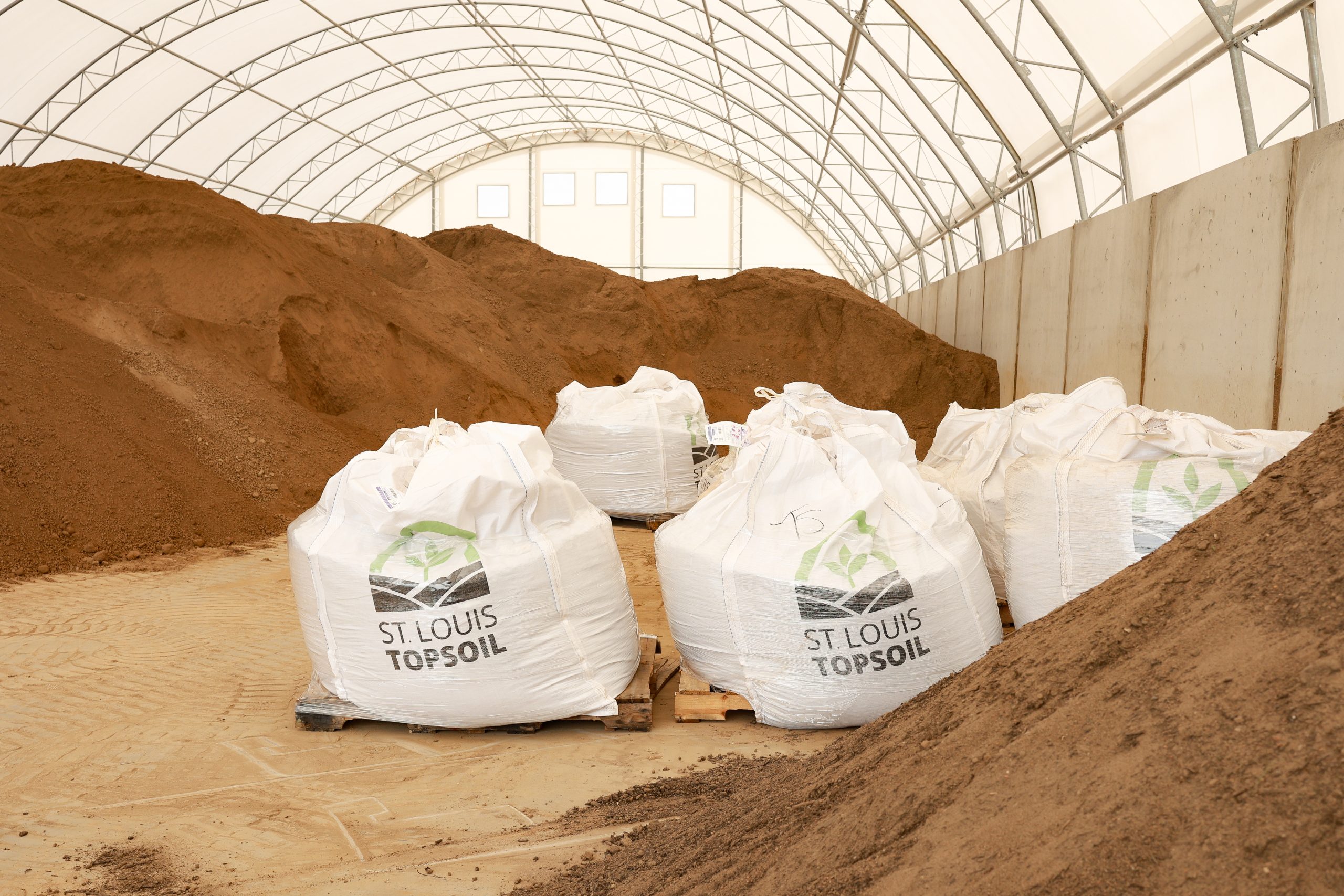
A reputable soil supplier will be able to answer these questions clearly—and that’s something St. Louis Topsoil prides itself on.
Our team is always happy to walk you through the specifics of our products, explain how they’re sourced, and help you choose the right type for your project. Whether you’re repairing a lawn, leveling a yard, or building out a new garden bed, we want you to feel confident in the soil beneath your feet.
Understanding the role of each soil type makes your landscaping choices much easier. Here’s a simple way to break it down:
Selecting the right soil from the start helps ensure healthy plants, proper drainage, and long-term landscape success.




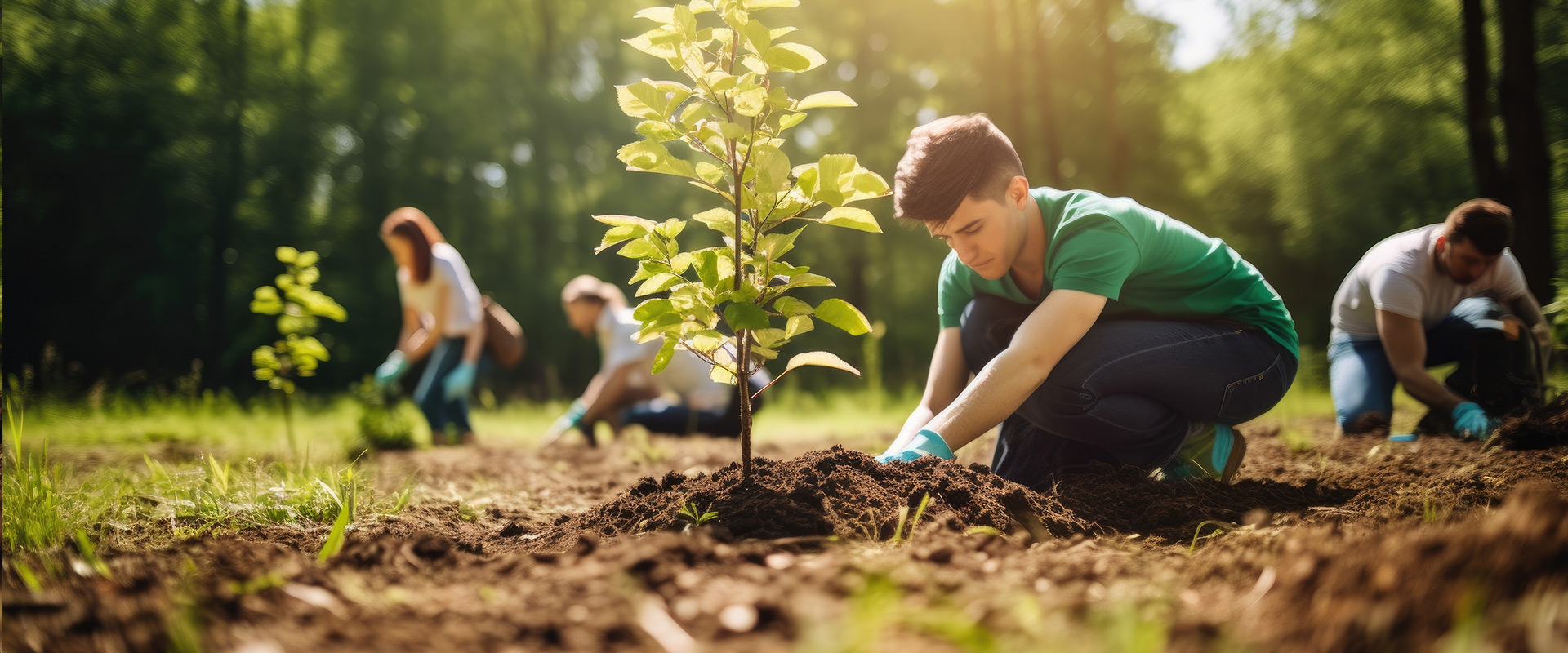
Planting may seem as simple as digging a hole and setting in a shrub, flower, or tree—but the small details matter. How you prepare the soil, handle the roots, and care for the plant in the first few weeks can…
 Material Calculator