Types, Benefits, and How to Use Them
St. Louis Topsoil : Mar 14th, 2026
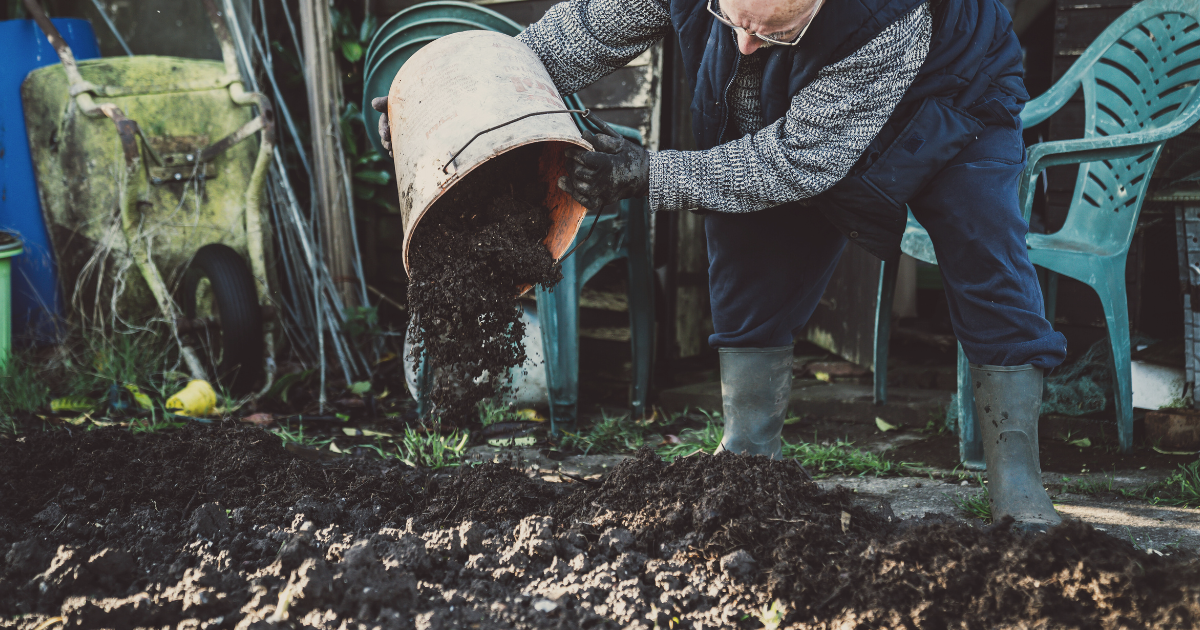
Healthy plants start with healthy soil. While many gardeners focus on fertilizers or quick fixes, long-term plant success almost always comes down to soil quality.
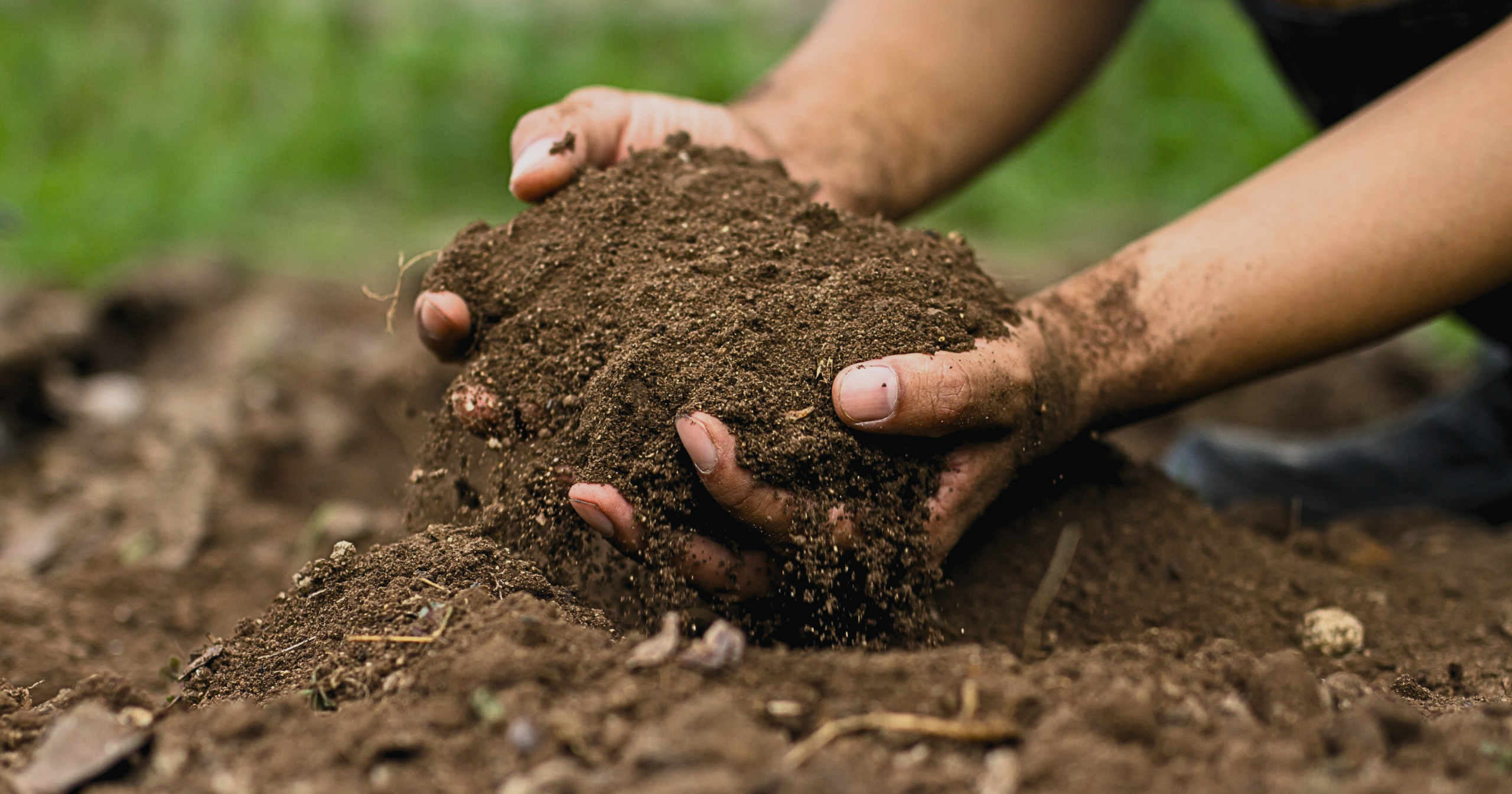
Soil amendments are materials added to soil to improve its structure, function, and growing conditions. Instead of simply feeding plants, they improve the soil itself—helping it hold water, drain properly, and support strong root systems.
Understanding what soil amendments are and how they work can help turn struggling garden beds into productive, healthy growing environments.
One important thing to remember: choosing the right amendment depends on the specific challenges your soil has. Poor drainage, compaction, or low organic matter all require different solutions.
Soil amendments are materials added to soil to improve its physical, chemical, and biological properties. A simple way to think of it: Soil amendments help turn “problem” soil into “productive” soil, positively affecting crop yields. (1)
Unlike fertilizers, which mainly supply nutrients, soil amendments focus on building the soil itself. Better soil structure allows plants to access nutrients more efficiently, hold moisture when needed, and develop healthier root systems.
Soil isn’t just dirt—it’s a living system. When soil structure, moisture, nutrients, and biology are working together, plants grow more and thrive, thus supporting a more productive ecosystem.
Soil amendments help:
Many common landscape and garden problems don’t start with a lack of nutrients—they start with poor soil conditions. Fix the soil first, and plants usually follow.
Most soil amendments fall into two main categories—organic soil amendments and inorganic soil amendments—based on what they’re made from and how they function in the soil.
Organic amendments come from plant- or animal-based materials. They primarily build organic matter, soil structure, and microbial life, helping improve long-term soil health.
Common organic soil amendments include:
Organic soil amendments gradually improve soil structure, increase water retention, and support beneficial soil organisms. Over time, organic amendments help build healthier, more resilient soil ecosystems that support plant growth naturally.
Mineral amendments are typically used to adjust soil pH, reduce compaction, or improve drainage rather than increasing organic matter.
Commonly used inorganic soil amendments include:
In some situations—especially when maximizing short-term crop yield—mineral inputs can provide faster results. However, research consistently shows that organic amendments are more beneficial for long-term soil health, carbon storage, and ecosystem resilience. (2)
Because of this, many soil scientists recommend an integrated approach: combining organic amendments with targeted mineral inputs when needed. This balanced strategy improves soil structure and biology while still addressing specific nutrient or pH needs based on soil texture, climate, and crop type.
Your soil often gives clear signals when it’s struggling. Here’s what to look out for:
If you notice any of the listed signs, soil amendments can likely help.
These terms are often used interchangeably, but when it comes to topsoil vs garden soil vs compost, they serve different purposes that matter.
Topsoil is the uppermost layer of soil containing organic matter and nutrients. It forms the base growing medium for plants.
Compost is a concentrated organic amendment that improves soil structure, fertility, and microbial activity.
Garden soil or blended soil mixes combine topsoil with compost and other amendments to create a balanced growing environment.
In many cases, the best results come from using them together. Topsoil provides the structural base, while compost and other amendments improve its performance by enhancing drainage, moisture retention, and biological activity.
Soil amendments can be applied at several points during the year, depending on your gardening schedule.
Avoid working in extremely wet soil, as it can lead to compaction.
Applying amendments properly helps ensure they actually improve soil rather than sit on the surface.
1. Spread amendments over the soil surface
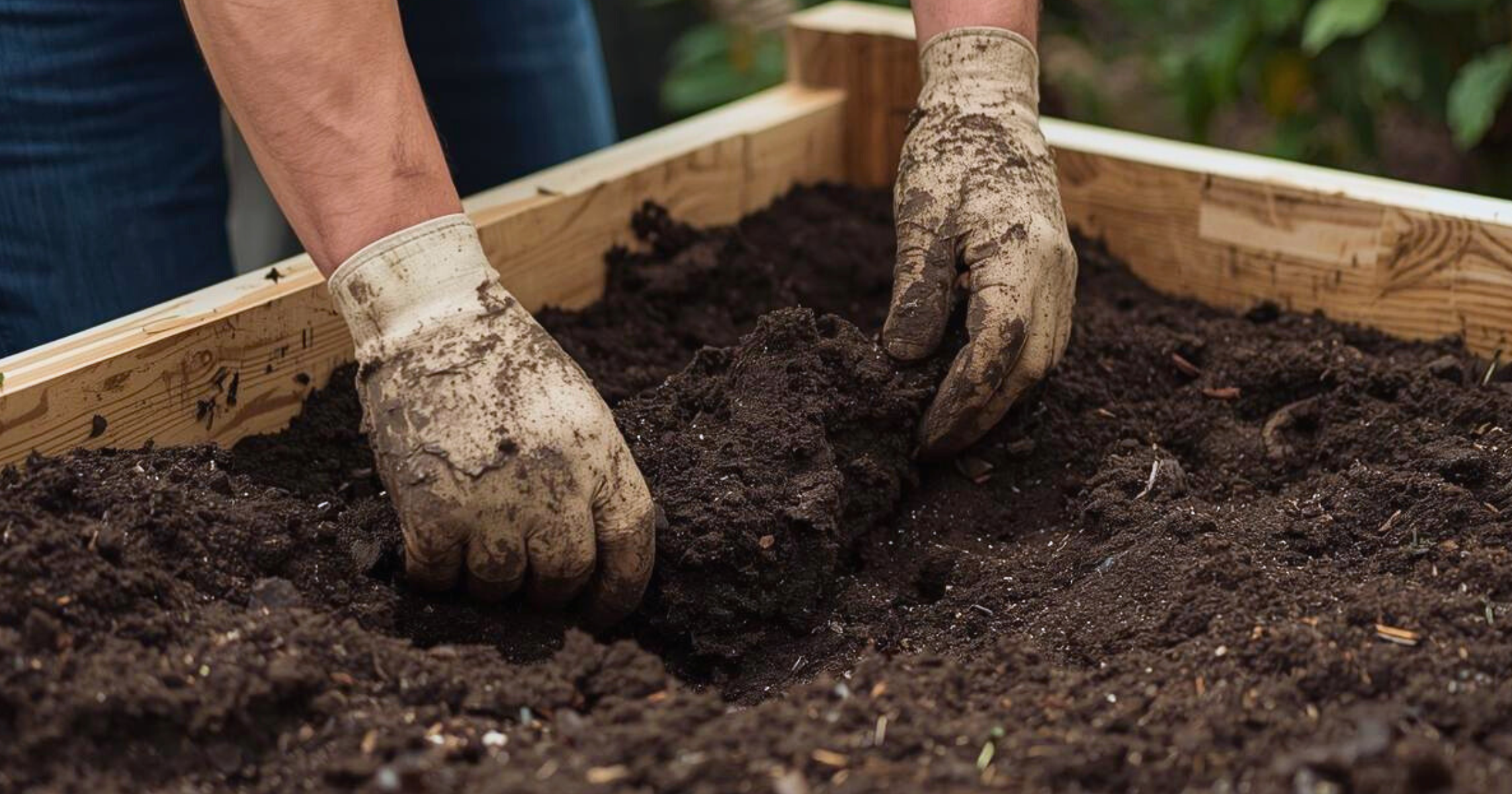
2. Mix into the top 6-8 inches of soil
3. Water thoroughly after application
A few common missteps can slow progress or create new problems. Avoid these mistakes when amending your soil:
By starting with premium topsoil and supplementing with amendments when necessary, you can give your plants the best of both worlds.
Small, consistent improvements beat extreme one-time fixes.
Soil amendments aren’t quick fixes—they’re tools for building better soil over time.
Healthy soil supports stronger roots, better water management, and more resilient plants. By starting with quality topsoil and improving it with the right amendments, you can create the foundation for long-term plant success.
The bottom line: Better soil leads to healthier gardens from the ground up.
Soil amendments are materials added to soil to improve its structure, drainage, moisture retention, and biological activity.
No, soil amendments are not the same as fertilizer. While fertilizers provide nutrients directly to plants, amendments improve the soil environment where plants grow.
Compost is one of the most widely recommended amendments because it improves soil structure, fertility, and microbial life.
Yes, Spring is a common time to add amendments before planting.
1. Garbowski, T., Bar-Michalczyk, D., Charazińska, S., Grabowska-Polanowska, B., Kowalczyk, A., & Lochyński, P. (2022). An overview of natural soil amendments in agriculture. Soil and Tillage Research, 225, 105462. https://doi.org/10.1016/j.still.2022.105462
2. Chen, Y., Camps-Arbestain, M., Shen, Q., Singh, B., & Cayuela, M. L. (2018). The long-term role of organic amendments in building soil nutrient fertility: a meta-analysis and review. Nutrient Cycling in Agroecosystems, 111(2–3), 103–125. https://doi.org/10.1007/s10705-017-9903-5




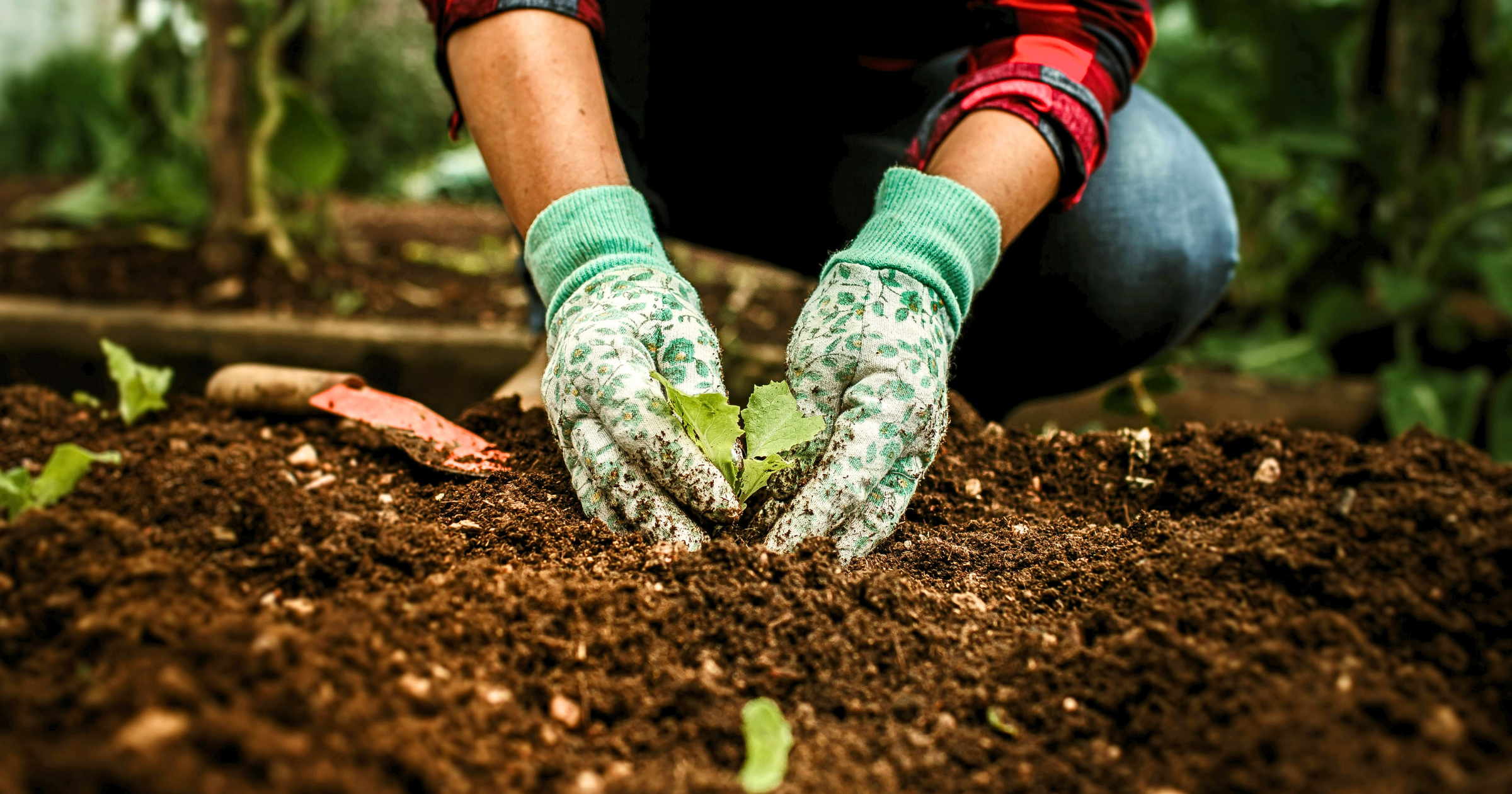


Planting may seem as simple as digging a hole and setting in a shrub, flower, or tree—but the small details matter. How you prepare the soil, handle the roots, and care for the plant in the first few weeks can…
 Material Calculator