Sometimes a yard doesn’t need a complete redesign—it just needs more structure, texture, and definition.
That’s where landscaping rocks can make a surprisingly big impact. The right decorative gravel can help shape planting beds, improve drainage, reduce muddy areas, and create a more intentional-looking outdoor space overall. Some materials create a softer, natural appearance that blends into the landscape, while others add stronger contrast and a cleaner, more modern edge.
And unlike larger hardscape projects, decorative gravel can dramatically change the feel of a space without completely rebuilding it.
Whether you’re refreshing foundation beds, creating a dry creek bed, improving drainage, or simply trying to create a cleaner-looking yard with less ongoing maintenance, landscaping rocks offer one of the most versatile ways to transform an outdoor space.
Why Landscaping Rocks Work So Well in Outdoor Spaces
Decorative landscape gravel changes more than just the appearance of a yard—it also affects how water moves, how soil holds up over time, and how much maintenance certain areas require.
They help control erosion and runoff
One of the biggest functional benefits of landscape rock is erosion control. Gravel and larger decorative rock help slow water movement, stabilize exposed soil, and reduce runoff during heavy rain.
That’s one reason decorative gravel is commonly used:
- On slopes
- In drainage channels
- Around foundations
- In dry creek beds
- In erosion-prone areas
Larger rock can also help protect soil from washing out during storms while still allowing water to drain naturally through the landscape.
They help retain moisture while improving drainage
It may sound contradictory, but gravel can help with both drainage and moisture retention.
Decorative rock helps reduce surface evaporation while also allowing water to move through the soil more evenly instead of pooling at the surface. In certain planting areas, this can help create more stable moisture conditions overall.
They reduce weed pressure and routine upkeep
Rock mulch is often used in areas where homeowners want cleaner-looking landscaping with less frequent maintenance.
When installed properly with landscape fabric underneath, decorative gravel can help reduce weed germination and minimize muddy or messy-looking landscape beds over time.
They create texture, contrast, and visual structure
Some landscaping materials fade into the background. Decorative gravel tends to do the opposite.
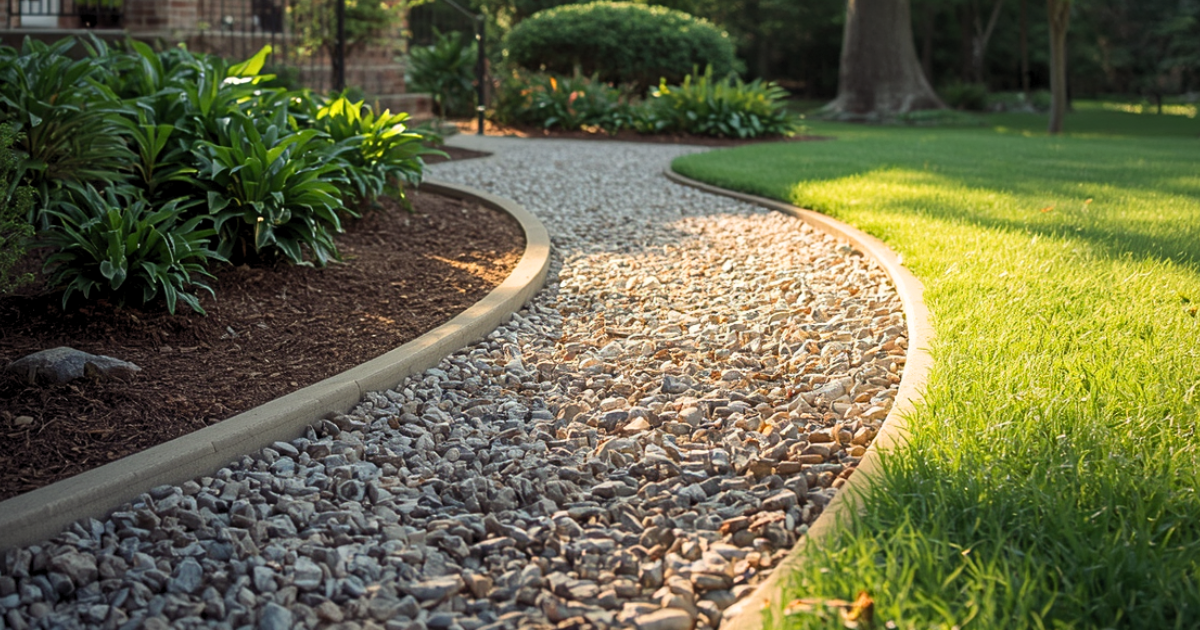
The size, color, and texture of landscape rock naturally create definition throughout the yard, helping separate planting beds, pathways, patios, and outdoor living areas in a way that feels more intentional and visually balanced.
Iowa Rainbow: A Decorative Rock That Still Feels Natural
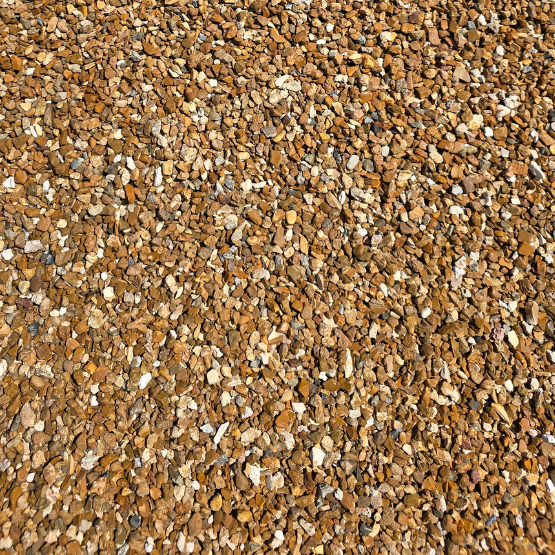
Iowa Rainbow decorative gravel adds texture and color variation without making a landscape feel overly formal or overdesigned.
Its blend of earthy tones creates depth and visual interest while still blending naturally into surrounding plants and outdoor spaces. It’s especially popular in landscapes that want a more polished appearance without feeling too modern or sharp.
Iowa Rainbow works especially well for:
- Foundation beds
- Decorative borders
- Around trees and shrubs
- Dry creek beds
- Erosion-prone areas
- Lower-maintenance landscape designs
Because it’s durable and low maintenance, it’s often used as a long-term alternative to mulch.
Black Granite: Strong Contrast and a More Modern Look
Black Granite creates a completely different feel than softer decorative gravel.
The darker color naturally creates more contrast and definition, especially around lighter-colored homes or minimalist landscaping designs. It tends to make planting beds feel cleaner, sharper, and more architectural overall.
Homeowners often use Black Granite to:
- Frame foundation beds
- Define pathways and borders
- Contrast ornamental grasses and greenery
- Complement modern architecture
- Create a more structured outdoor appearance
Even small sections of darker decorative gravel can dramatically shift the overall feel of a landscape.
Oversized Iowa Decorative Rock for Drainage and Statement Areas
Larger decorative rock tends to stand out more visually while also helping solve practical landscape challenges.
Oversized Iowa decorative rock works especially well in spaces where drainage, runoff, or erosion control need to become part of the overall design instead of looking like an afterthought.
It’s commonly used for:
- Dry creek beds
- Drainage channels
- Slopes and runoff areas
- Erosion control
- Larger statement landscape features
Its larger size naturally adds more texture and dimension while still helping water move efficiently through the landscape.
Duck Lake Gravel: A Softer, More Flexible Decorative Gravel
Duck Lake gravel offers a softer, more understated appearance that works well across many different landscaping styles.
Its smaller size and natural tones make it easy to incorporate into outdoor spaces without making the landscape feel overly bold or heavily designed.
Duck Lake is commonly used for:
- Decorative beds
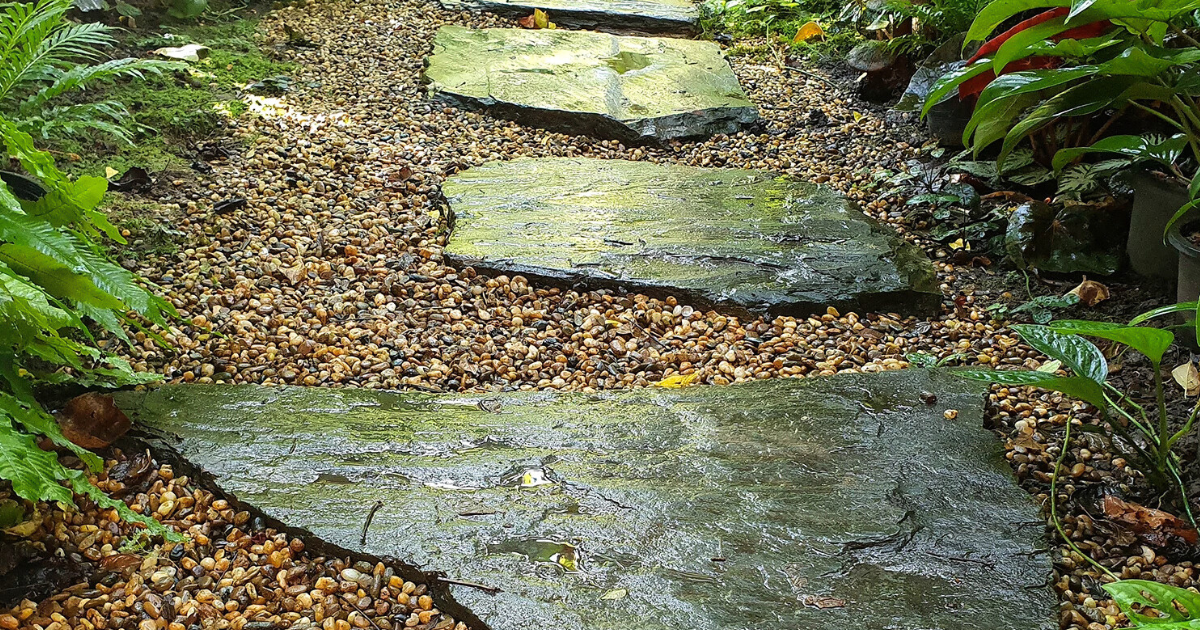
- Pathways
- Stepping stone accents
- Mixed-material landscaping
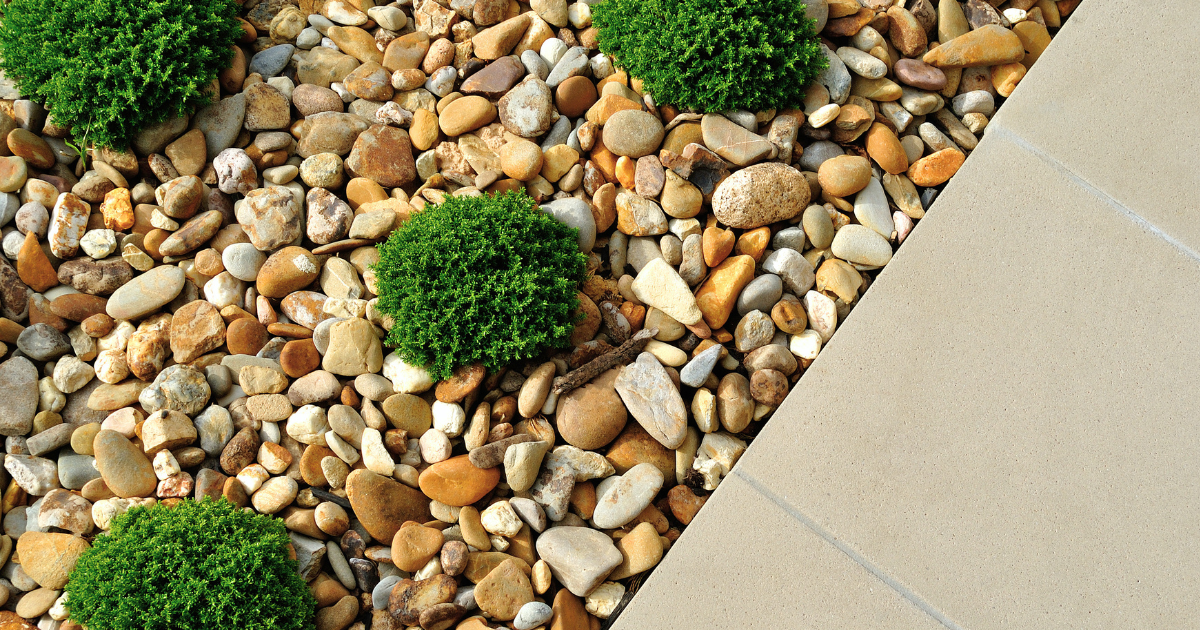
- Transitions between planting and hardscape areas
For homeowners looking for decorative gravel that feels balanced, natural, and versatile, Duck Lake tends to fit easily into a wide range of projects.
Where Landscaping Rock Works Best
Decorative gravel tends to work especially well in areas where durability, drainage, and lower maintenance are priorities.
- Foundation beds: Rock helps create sharper landscape edges while reducing muddy splash areas around the home.
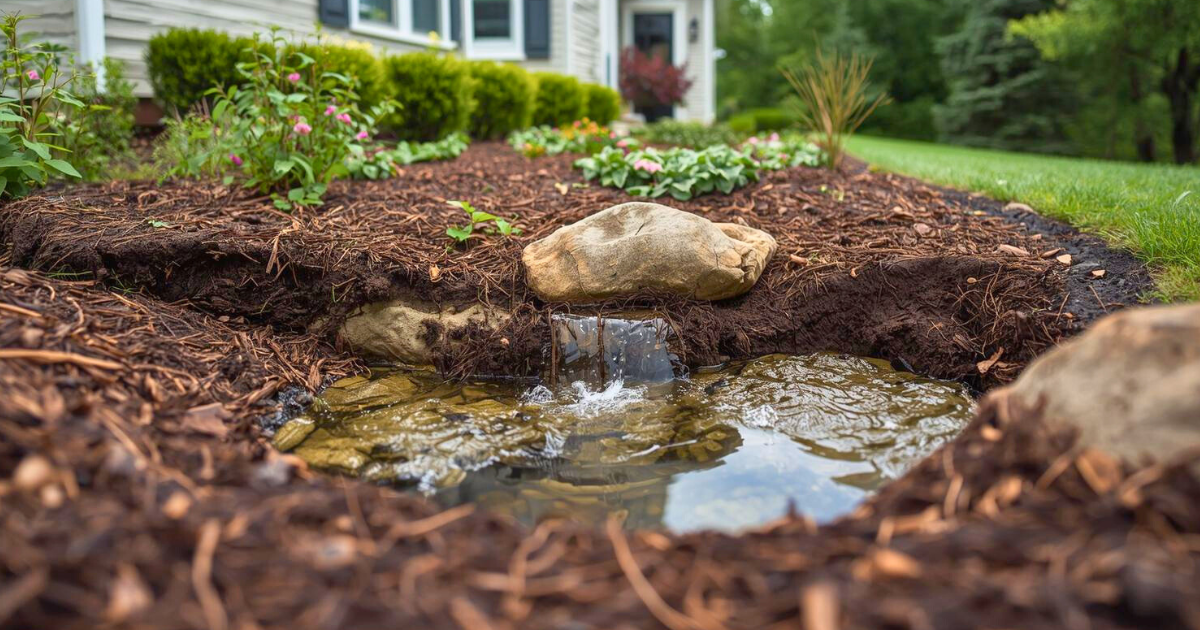
- Dry creek beds: One of the most visually interesting ways to improve drainage and erosion control at the same time.
- Slopes and runoff areas: Decorative gravel helps stabilize soil and reduce washout during heavy rain.
- Around trees and shrubs: Rock helps frame planting areas while adding texture and structure throughout the yard.
- Pathways and transitions: Smaller decorative gravel creates natural movement between patios, gardens, and outdoor living spaces.
- Fire pit and seating areas: Gravel creates durable surfaces that withstand outdoor gatherings and high-traffic areas.
Important Considerations Before Using Landscaping Rock
Landscape rock can work incredibly well in the right areas, but like any landscaping material, it usually performs best when it’s matched thoughtfully to the space.
Decorative gravel is often a great choice when:
- Drainage is a priority
- Erosion control is needed
- Lower maintenance is the goal
- Long-term durability matters
- Cleaner landscape definition is desired
That said, rock isn’t always the perfect fit for every part of a yard.
A few things worth keeping in mind:
- Deep, continuous rock coverage can sometimes compact soil over time
- Certain plants may struggle to establish in heavily rocked areas
- Rock absorbs and retains heat, which can stress more delicate plantings in hotter locations
- Some garden beds may benefit more from organic materials around plants
That’s why many well-designed landscapes combine decorative rock and organic mulch depending on the purpose of each space: gravel often works best in drainage zones, borders, pathways, and lower-maintenance areas, while mulch may still be beneficial around certain plants and garden beds.
The Root of It
Landscaping rocks do more than improve curb appeal—they help shape how an outdoor space looks, drains, and functions over time.
Whether you prefer the natural warmth of Iowa Rainbow, the bold contrast of Black Granite, the versatility of Duck Lake, or the statement look of Oversized Iowa, decorative gravel offers a durable and visually impactful way to create a yard that feels more intentional, more polished, and easier to maintain season after season.


 Material Calculator