When choosing between small gravel vs. large decorative rock, the best option usually depends on the experience you want your yard to create.
Small gravel tends to feel softer, more relaxed, and more walkable—making it ideal for pathways, patios, and gathering spaces. Larger decorative rock creates stronger visual definition and a more polished, low-maintenance landscape overall.
And in many cases, the best landscapes aren’t built with just one material. They combine both in a way that makes the yard feel functional, natural, and thoughtfully designed.
Before choosing a material, it helps to understand how landscaping rocks transform your yard—not just visually, but functionally over time. Here’s what to know about small pea gravel vs. larger decorative rock options like Black Granite.
What Counts as Small Gravel?
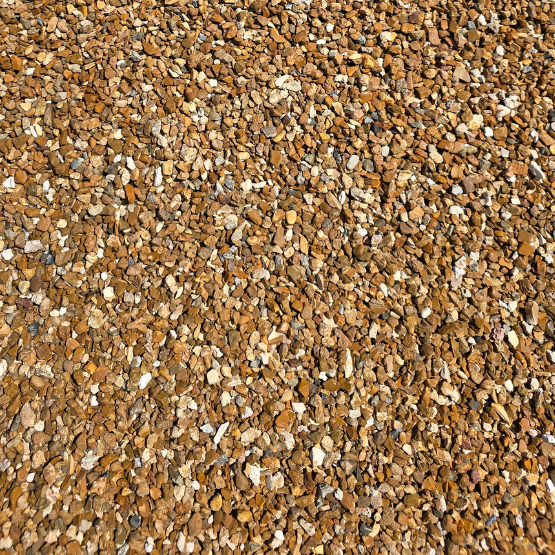
Small gravel includes finer landscape materials, such as pea gravel and other smaller decorative gravel blends.
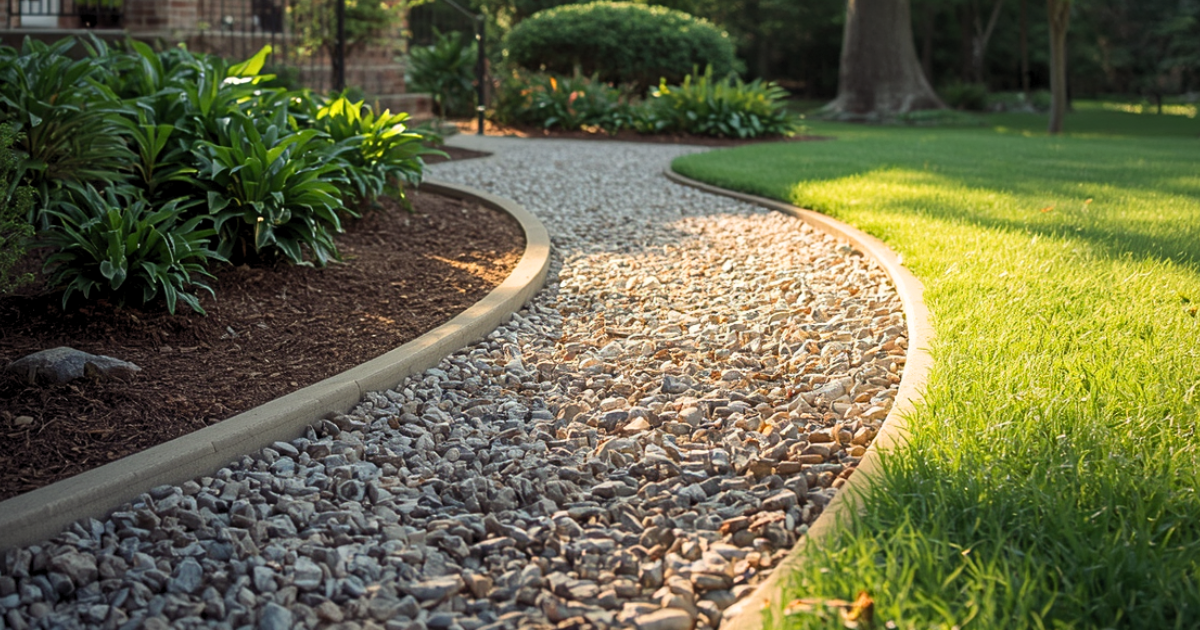
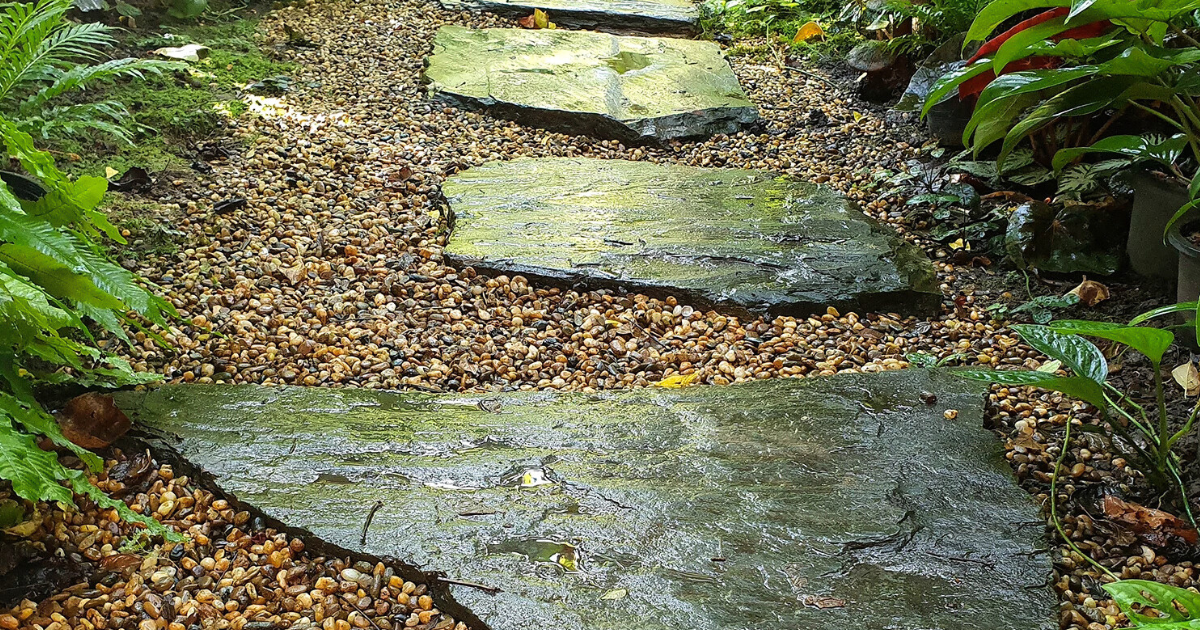
Meramec pea gravel is one of the most popular examples because it balances practicality with appearance. Its smaller, rounded stones create a softer texture and a more relaxed, natural-looking landscape overall.
Compared to larger decorative rock, small gravel tends to feel:
- More casual
- More approachable
- Easier to walk on
- Lighter visually
- More flexible in outdoor spaces
It’s often chosen for landscapes that prioritize comfort, movement, and a more organic feel rather than bold visual contrast.
What Counts as Large Decorative Rock?
Large decorative rock includes a larger landscape stone designed to create stronger visual definition and a longer-lasting structure throughout a yard.
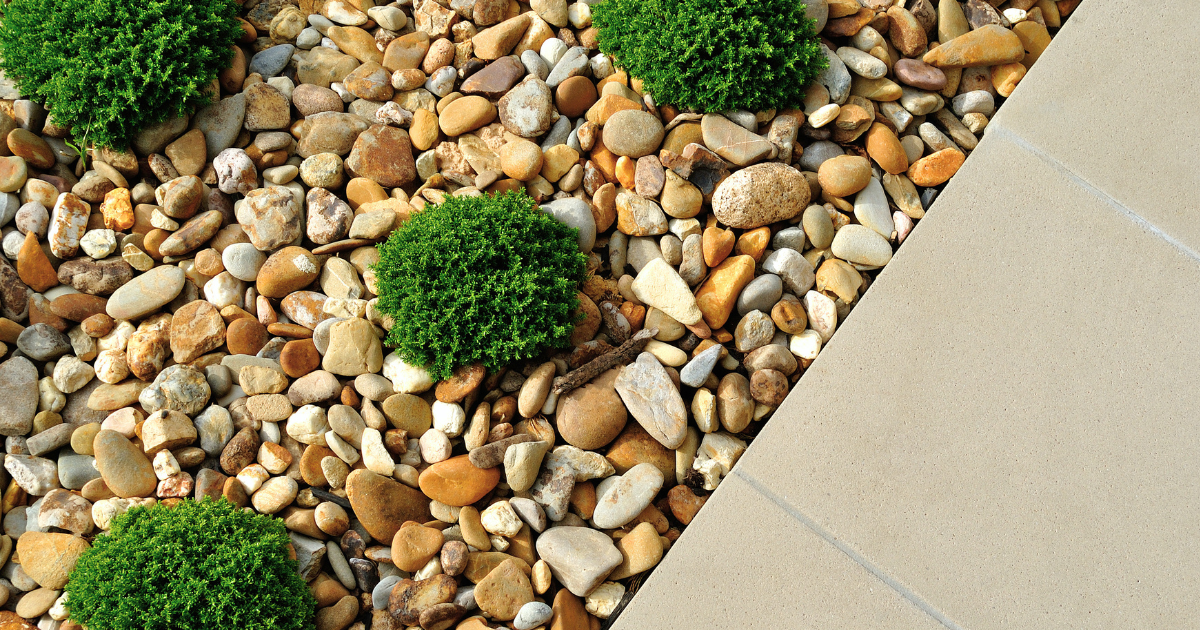
Options like Iowa Rainbow, Black Granite, Duck Lake, and Oversized Iowa tend to create a more intentional, architectural appearance compared to smaller gravel.
Larger decorative rock often feels:
- Bolder
- More polished
- More permanent
- More structured
- Lower maintenance visually
These materials are commonly used when homeowners want landscaping to stand out more or create cleaner separation between different areas of the yard.
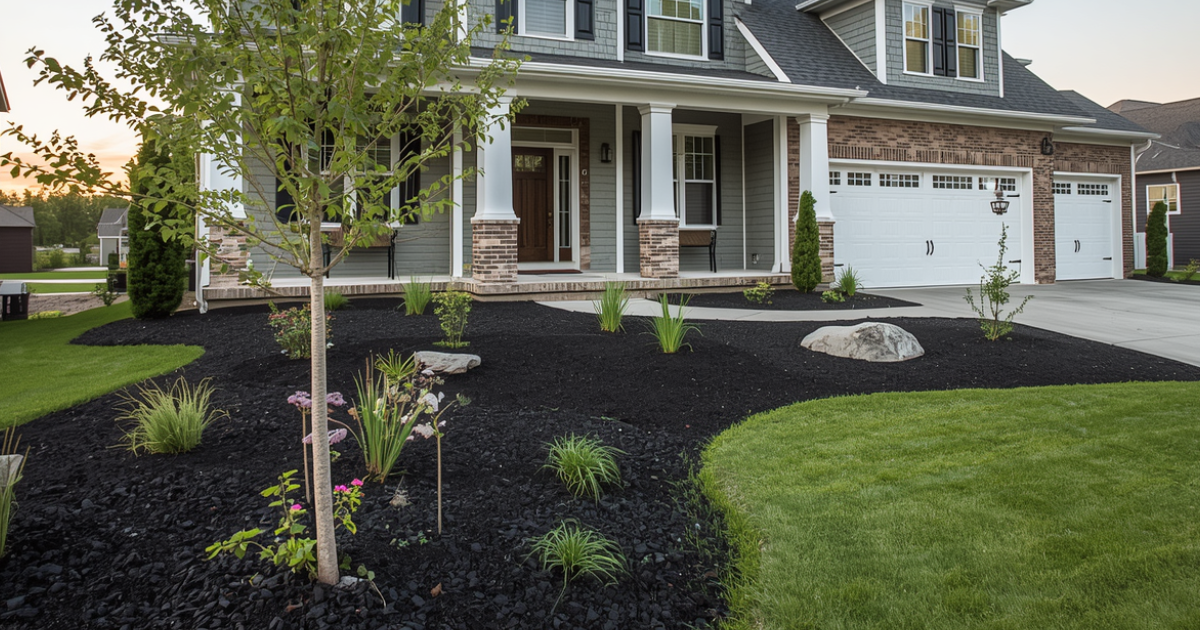
Larger decorative rock typically feels more permanent and creates stronger visual impact throughout a landscape. That’s especially true with options like Black Granite, which creates dramatic contrast and works really well in modern landscapes.
The Biggest Differences Between Small Gravel and Large Decorative Rock
Not all landscape gravel creates the same look—or functions the same way once it’s installed. Gravel size can affect everything from how comfortable a space feels to walk through to how much maintenance it requires over time.
If you’re deciding between smaller gravel and larger decorative rock, these are the biggest differences to consider before choosing a material for your landscape project.
Appearance
Small gravel tends to create:
- A softer overall look
- A more casual feel
- More natural blending throughout a yard
- Less visual weight
Large decorative rock tends to create:
- Stronger contrast
- More visual structure
- Cleaner landscaping lines
- A more polished or upscale appearance
Walkability
Small gravel is generally better for spaces where people will:
- Walk frequently
- Pull up chairs
- Gather around fire pits
- Move between different areas of the yard
Large decorative rock is usually better for:
- Decorative beds
- Accent areas
- Foundation landscaping
- Spaces designed more for appearance than foot traffic
Drainage and Erosion Control
Both small gravel and larger decorative rock allow water to drain effectively.
However, larger decorative rock is often better for:
- Drainage areas
- Slopes
- Runoff control
- Erosion-prone spaces
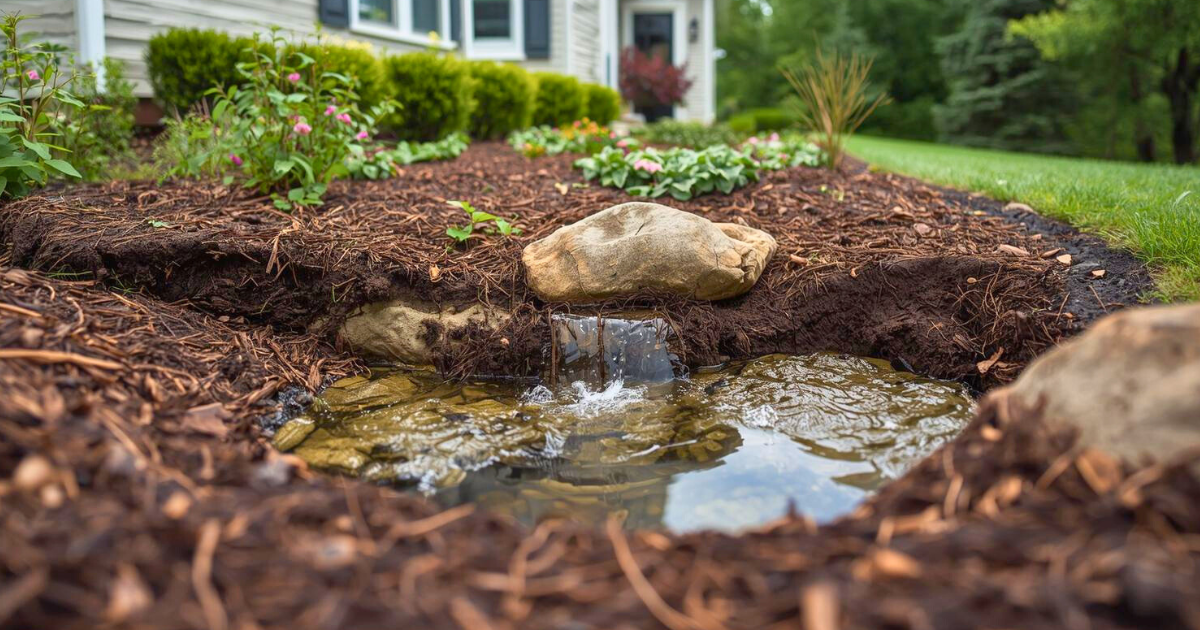
- Dry creek beds
Its larger size helps stabilize soil while still allowing water movement.
Maintenance
Compared with mulch, both options are relatively low-maintenance—but they tend to shift and settle differently over time.
Small gravel may occasionally:
- Shift in high-traffic areas
- Spread beyond edges
- Need occasional raking
- Require light touch-ups over time
Large decorative rock tends to:
- Stay in place better
- Maintain cleaner edges
- Require less reshaping
- Create a more permanent appearance
Cost
Small gravel, like pea gravel, is often one of the more affordable ways to cover larger areas.
It’s commonly used for:
- Pathways
- Patios
- Seating areas
- Utility spaces
Large decorative rock usually costs more because of:
- Specialty sourcing
- Larger stone sizes
- Decorative appeal
- Premium appearance
That said, many homeowners see decorative rock as more of a long-term landscaping investment because it lasts for years with minimal upkeep.
Best Uses for Small Gravel
Small gravel is usually the better option for:
- Walkable pathways
- Patios and seating areas
- Casual backyard spaces
- Fire pit gathering areas
- Flexible DIY projects
- Softer, more natural landscaping
It works especially well in outdoor spaces designed around comfort and movement.
Best Uses for Large Decorative Rock
Large decorative rock is often better for:
- Modern landscaping
- Decorative foundation beds
- Erosion control
- Dry creek beds
- Strong visual contrast
- Low-maintenance landscaping
- Statement landscaping features
It’s especially popular among homeowners seeking landscaping that feels cleaner, bolder, and more structured.
Can You Use Both Together?
Absolutely—and many of the best landscaping designs do exactly that.
Using both small gravel and larger decorative rock creates contrast and allows different parts of the yard to serve different purposes.
For example:
- Pea gravel for pathways or patios
- Black Granite around foundations
- Iowa Rainbow in decorative beds
- Oversized Iowa in drainage areas
- Duck Lake for softer accent spaces
Layering materials can make landscaping feel more intentional, balanced, and visually interesting overall.
The Root of It: Small Pea Gravel vs. Large Decorative Rock
When choosing between small gravel and large decorative rock, the best option depends on how you want the space to function and the overall look you’re trying to create.
Small gravel offers comfort, versatility, and a softer natural appearance that works especially well for pathways and gathering spaces. Larger decorative rock creates stronger visual impact, improved erosion control, and a more polished low-maintenance landscape design.
And in many cases, the best landscapes aren’t built with just one material—they combine both in a way that feels functional, natural, and thoughtfully designed.


 Material Calculator