Why High-Quality Topsoil Matters for Lawns and Gardens in St. Louis (and Everywhere Else)
St. Louis Topsoil : Nov 20th, 2025
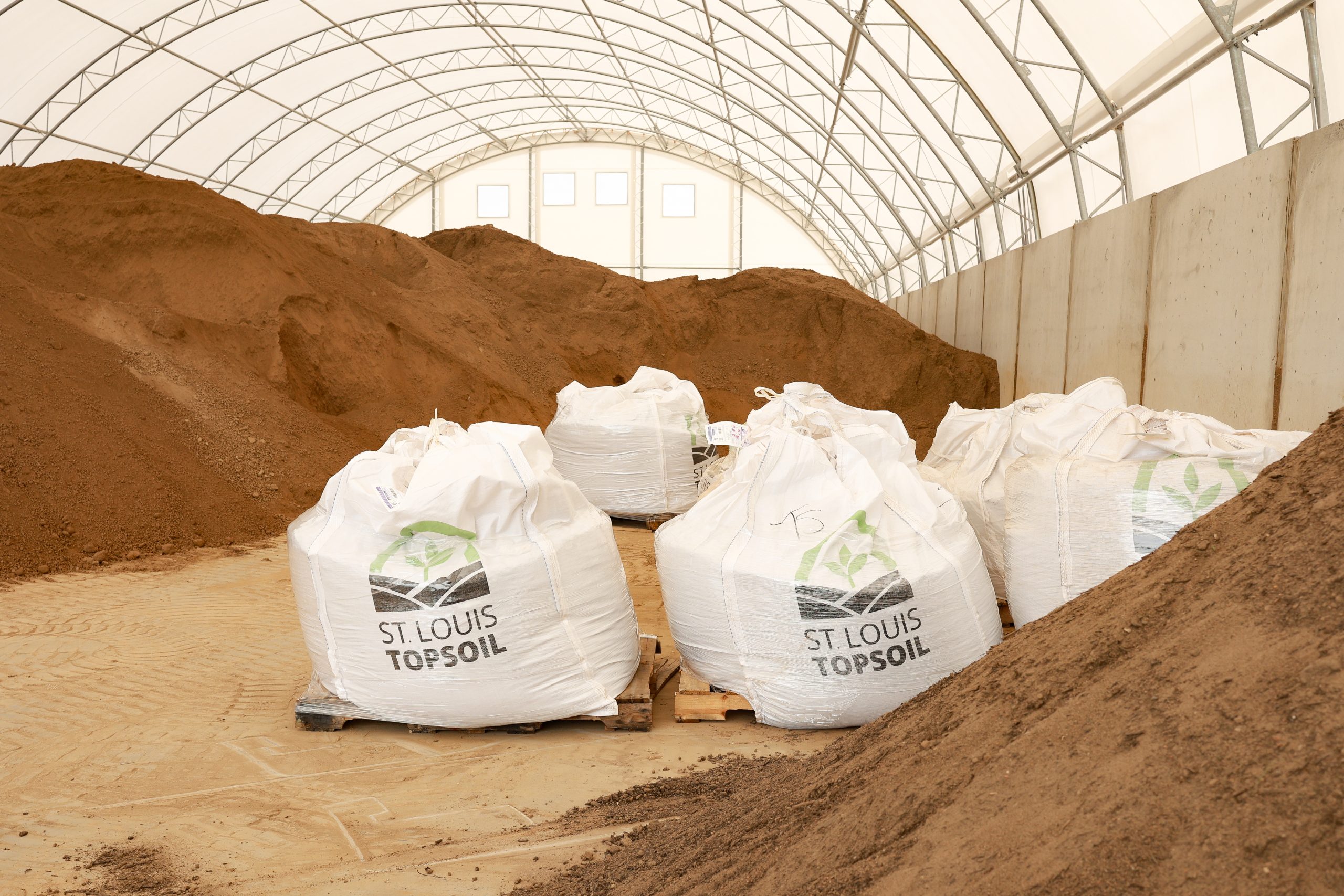
If you’ve ever tried growing a lawn or garden, you’ve probably heard that everything starts with good soil. But what is topsoil, and why does it matter so much?
For many homeowners, especially those dealing with dense, compact, or nutrient-poor soil (a common issue in areas like St. Louis), understanding topsoil is the key to building a healthier lawn or garden from the ground up.
This guide breaks down what topsoil is, how it differs from other soil materials, how to evaluate its quality, and how to choose the right type for your outdoor project. Let’s dig in!
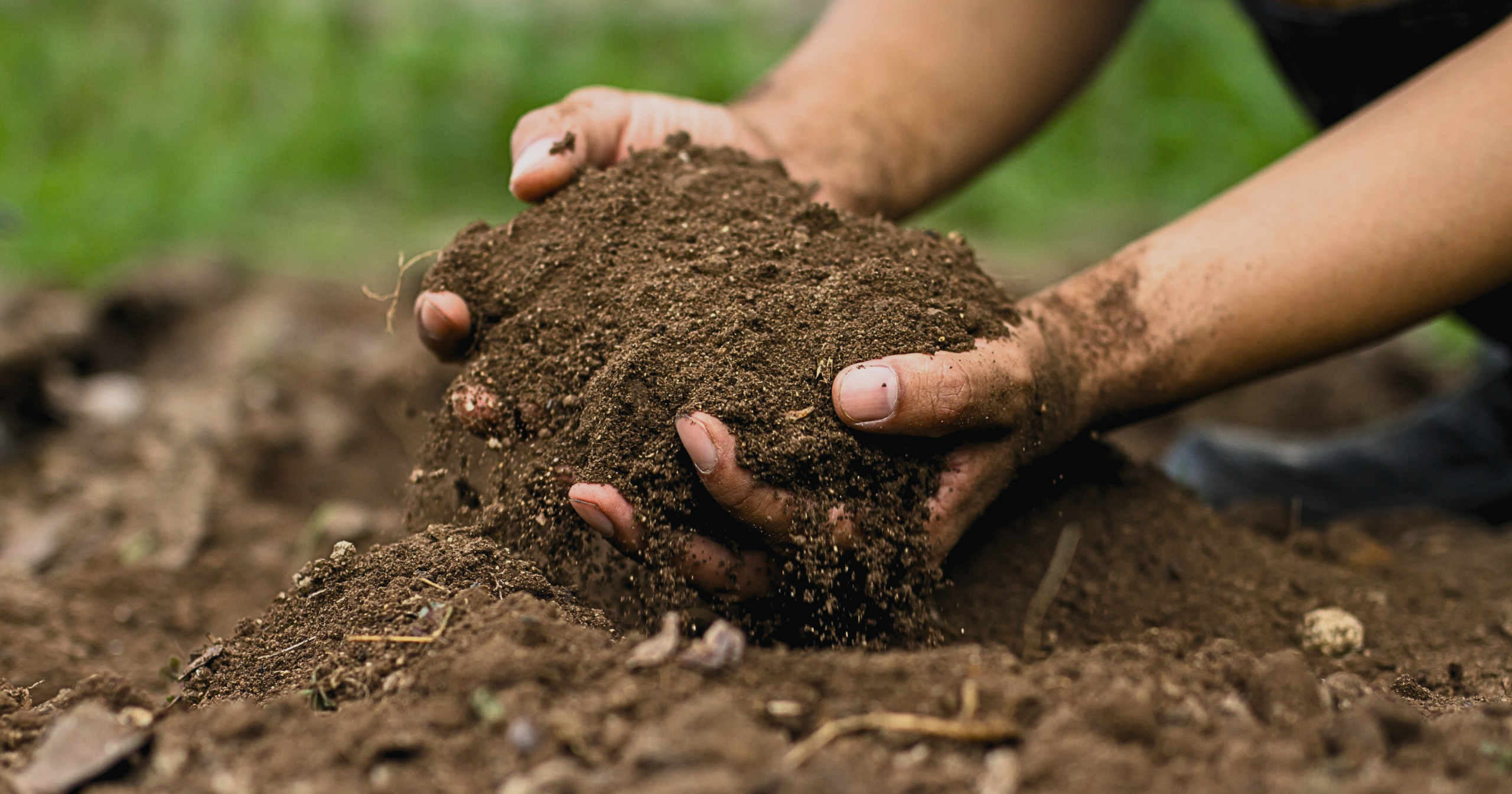
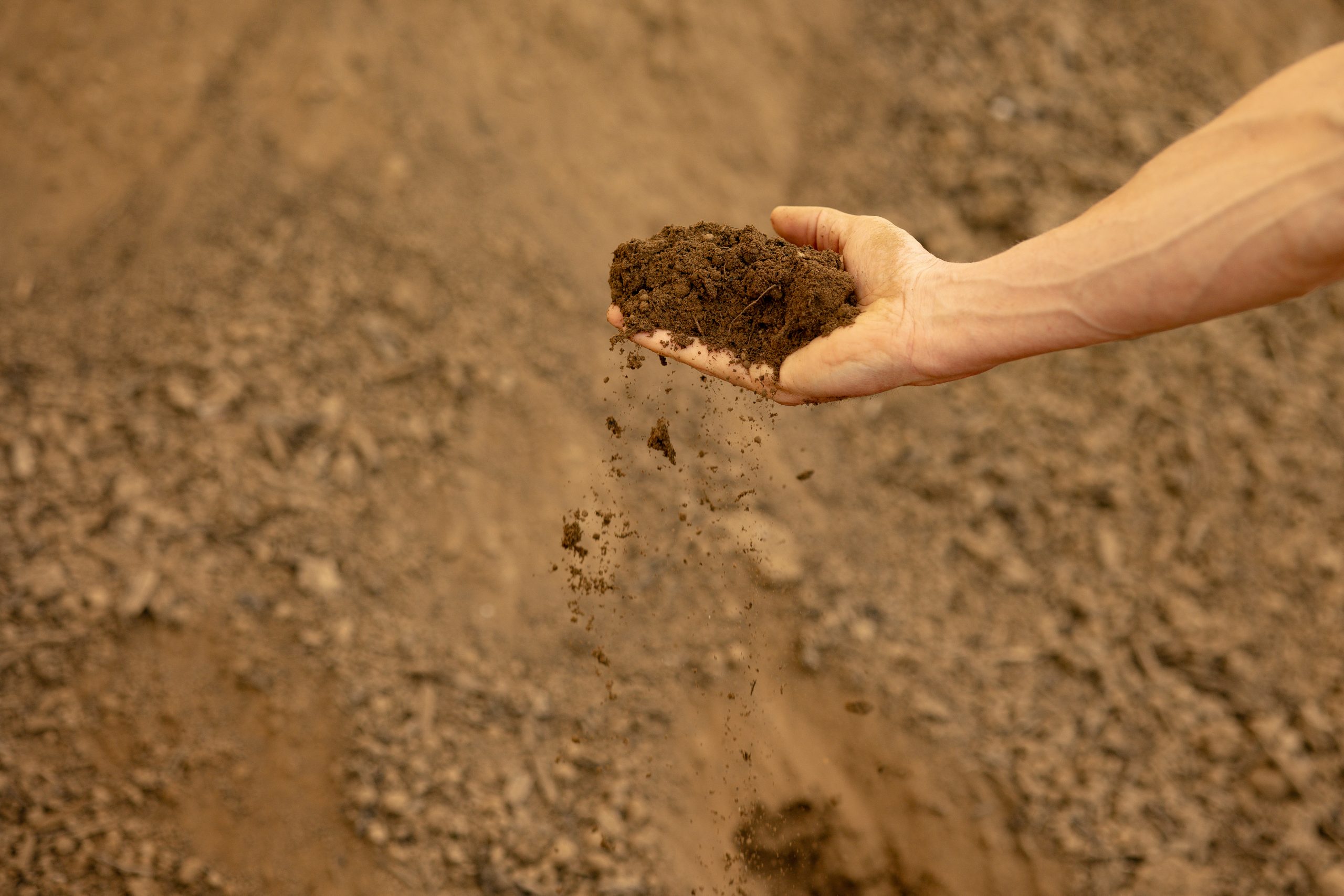
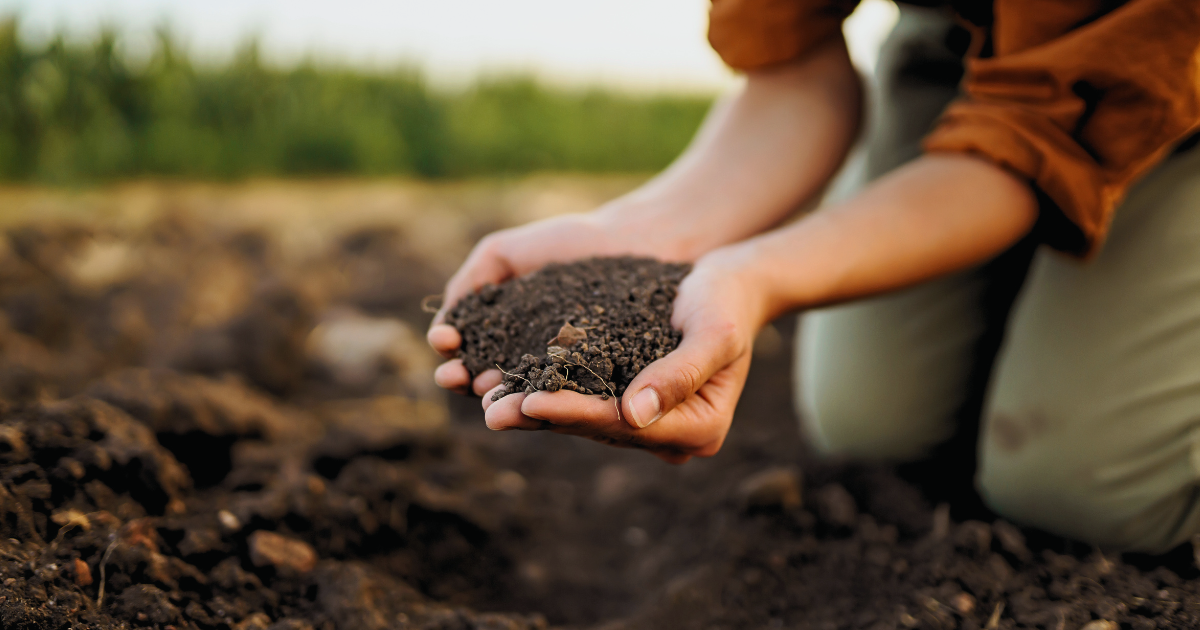
Topsoil is the uppermost layer of the earth where most biological activity happens. This layer contains:
Topsoil forms slowly over time as plant material breaks down. Because of this, it is the most fertile and plant-friendly layer of soil.
In areas with naturally dense clay soil, which is common throughout the St. Louis region, topsoil becomes especially valuable. Clay soil:
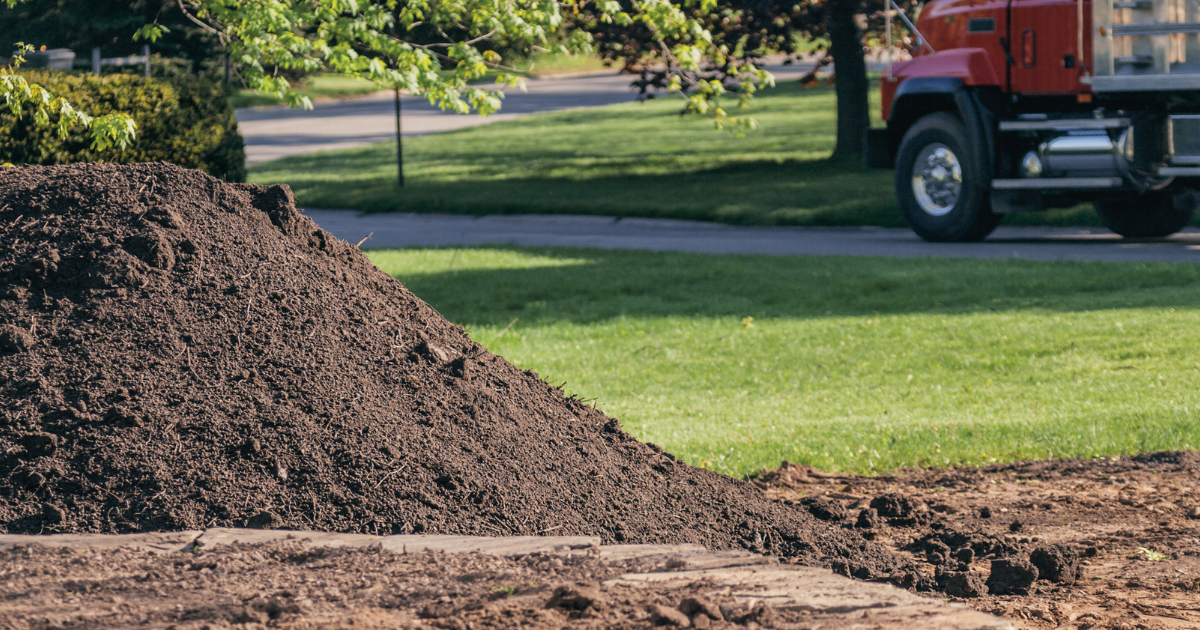
Blending or layering quality topsoil on top of heavy clay improves structure, aeration, and water movement, helping lawns and gardens establish more easily.
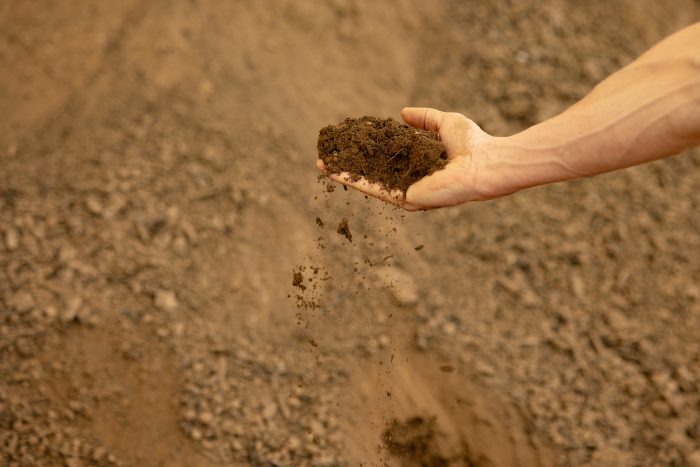
These three materials are often confused, but they serve very different purposes:
| Material | Description | Best Use | Avoid When… |
| Topsoil | Upper layer rich in nutrients and organic matter | Lawns, gardens, leveling | Using in containers |
| Dirt | Nutrient-poor soil | Filling holes | Growing plants |
| Compost | Decomposed organic material | Mixing with topsoil | Using alone (too dense) |
Understanding these distinctions helps you choose the right material—and avoid common lawn and garden mistakes.
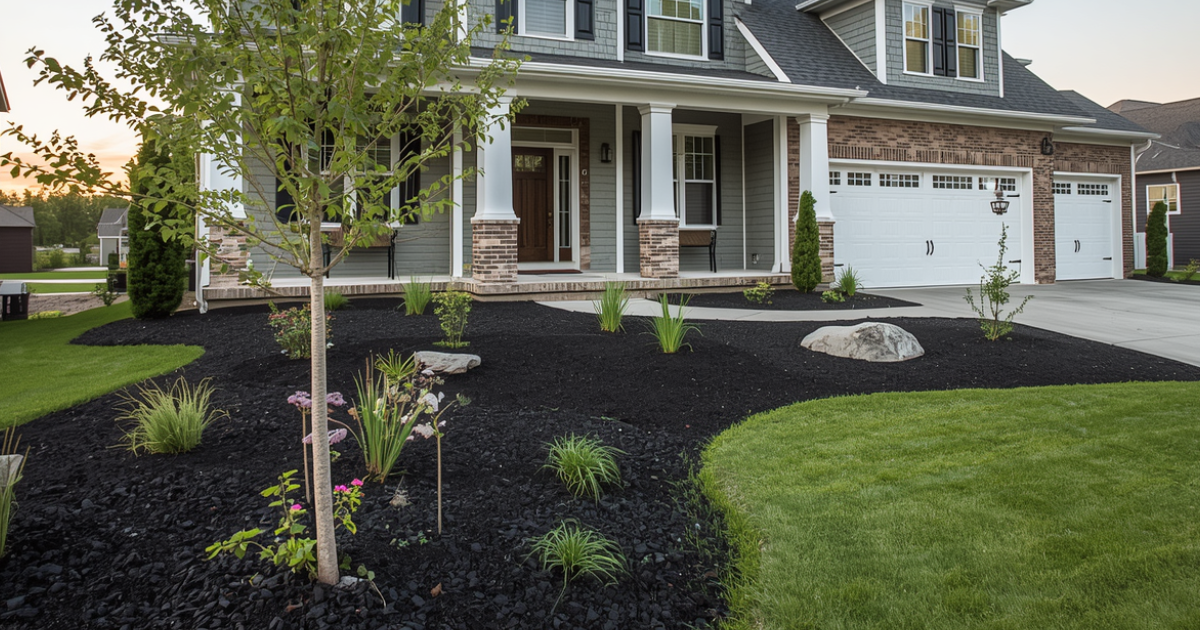
Whether you’re planting shrubs, starting a new lawn, or improving old garden beds, high-quality topsoil supports long-term success by improving:
Healthy soil helps lawns and gardens withstand weather extremes—such as heavy spring rains, intense summer heat, or long dry spells.
Not all topsoil is created equal. High-quality topsoil should have the right balance of nutrients, organic matter, and structure. Look for:
If your soil is pale, compact, or stays wet long after rain, upgrading with a quality topsoil blend can significantly improve plant health.
Before choosing a product, it’s important to understand two different concepts:
Soil types dictate your starting point. Topsoil types help you improve it.
Matching your yard’s soil type to the right topsoil format improves drainage, smoothing, and long-term plant growth.
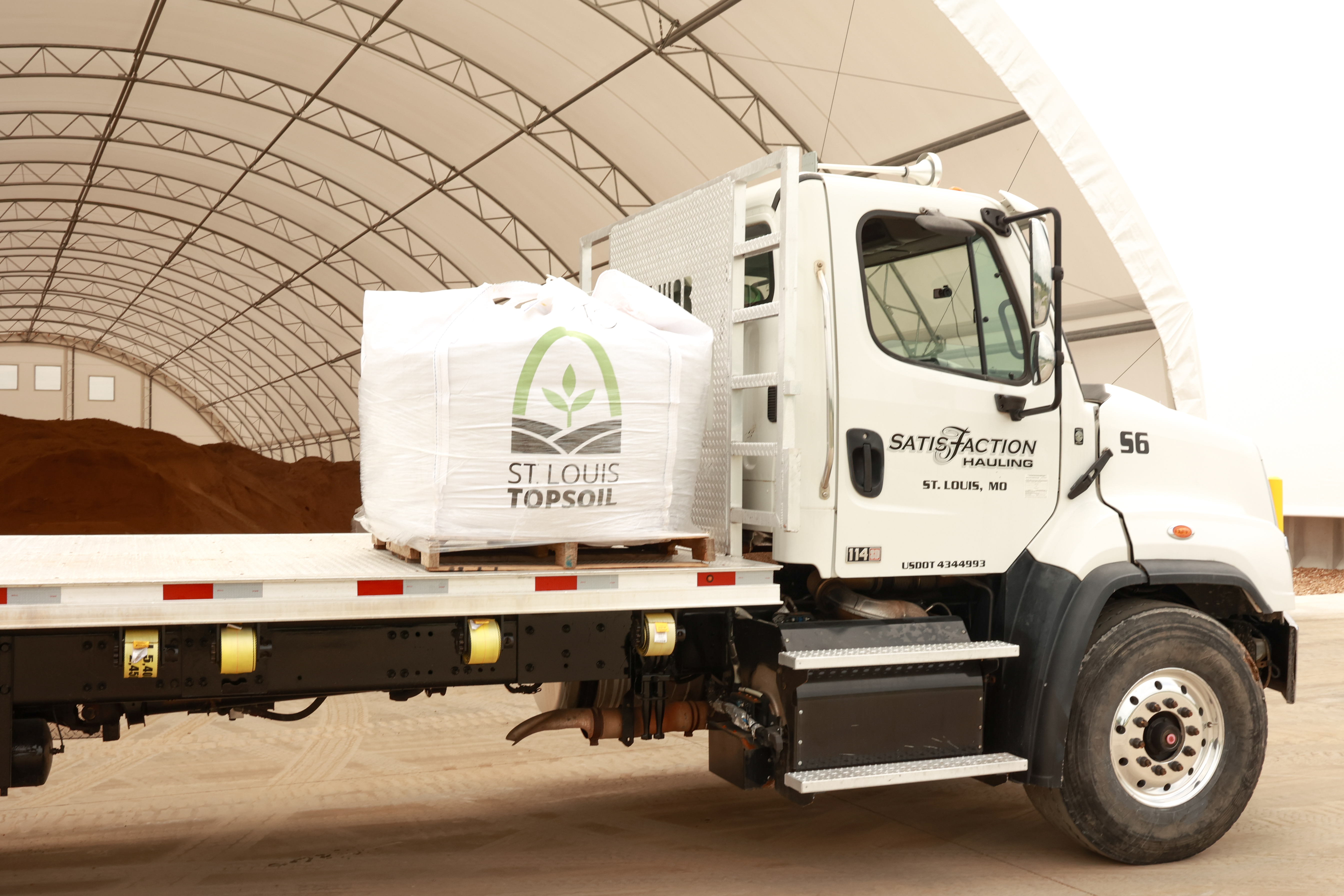
At St. Louis Topsoil, we offer two locally sourced soil options—natural and pulverized—each designed to support strong, healthy landscapes across the St. Louis metro area.
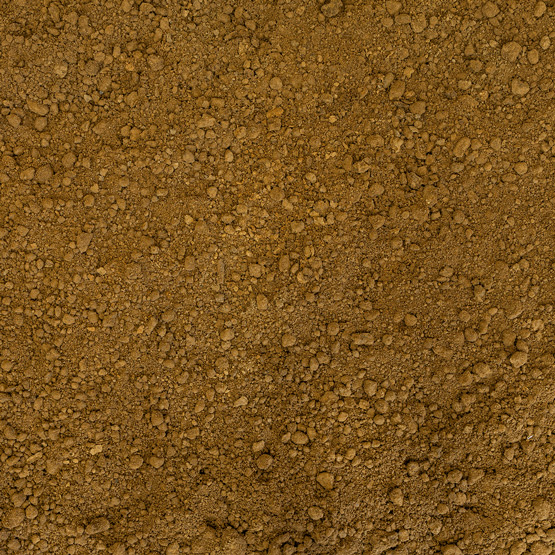
Our pulverized topsoil is finely broken down and screened for a soft, fluffy texture that spreads easily and supports healthy plant growth. Sourced from a Missouri deposit, it combines excellent drainage with a stable structure—ideal for lawns, gardens, and general landscaping.
Created by feeding our natural topsoil through a pulverizing drum, this process breaks apart tight clumps and increases aeration, giving roots room to absorb water, air, and nutrients more efficiently. It’s also a key ingredient in our Garden Mix and Rain Garden Mix, forming the foundation for vibrant, resilient growth.
Our natural topsoil is unprocessed and locally sourced directly from a Missouri deposit. It’s a dependable, cost-effective choice for projects that require strong fill or foundational soil. With its natural composition and stable texture, it helps strengthen the base of your landscape while improving long-term soil integrity.
Choosing the right topsoil depends on your project goals:
Pro tip: Pairing both ensures the perfect balance of stability and growth potential—building a solid foundation across St. Louis, St. Charles, Jefferson County, and surrounding areas.
Estimating the right amount of topsoil is key to avoiding extra trips, unexpected costs, or coming up short mid-project. Topsoil is mostly sold by the cubic yard, so calculating your needs starts with a simple volume formula.
Topsoil is sold by the cubic yard. Use this formula:
Length × Width × Depth ÷ 27 = Cubic Yards Needed
Example 1: Garden Bed
A raised or in-ground bed sized 10 ft × 4 ft × 0.5 ft (6 inches deep)
Example 2: Lawn Leveling or Topdressing
A 1,000 sq ft lawn area with 2 inches (0.17 ft) of topsoil
Use this Goldilocks “just right” approach to dial in your order:
These guidelines help you avoid coming up short—or spending more than necessary.
Not sure how much topsoil your project requires? Our Material Calculator makes it simple. Just enter your project’s length, width, and desired depth, and it instantly tells you how many cubic yards to order.
Weight varies based on moisture, but as a general rule:
This helps you determine whether pickup or delivery is best for your project and needs.
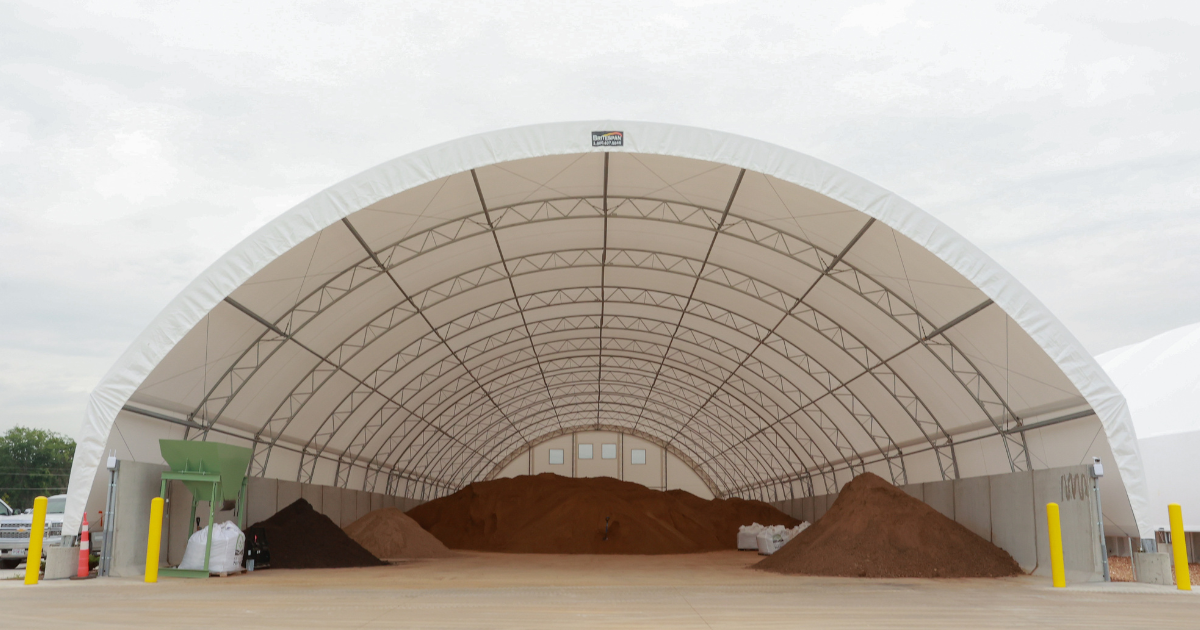
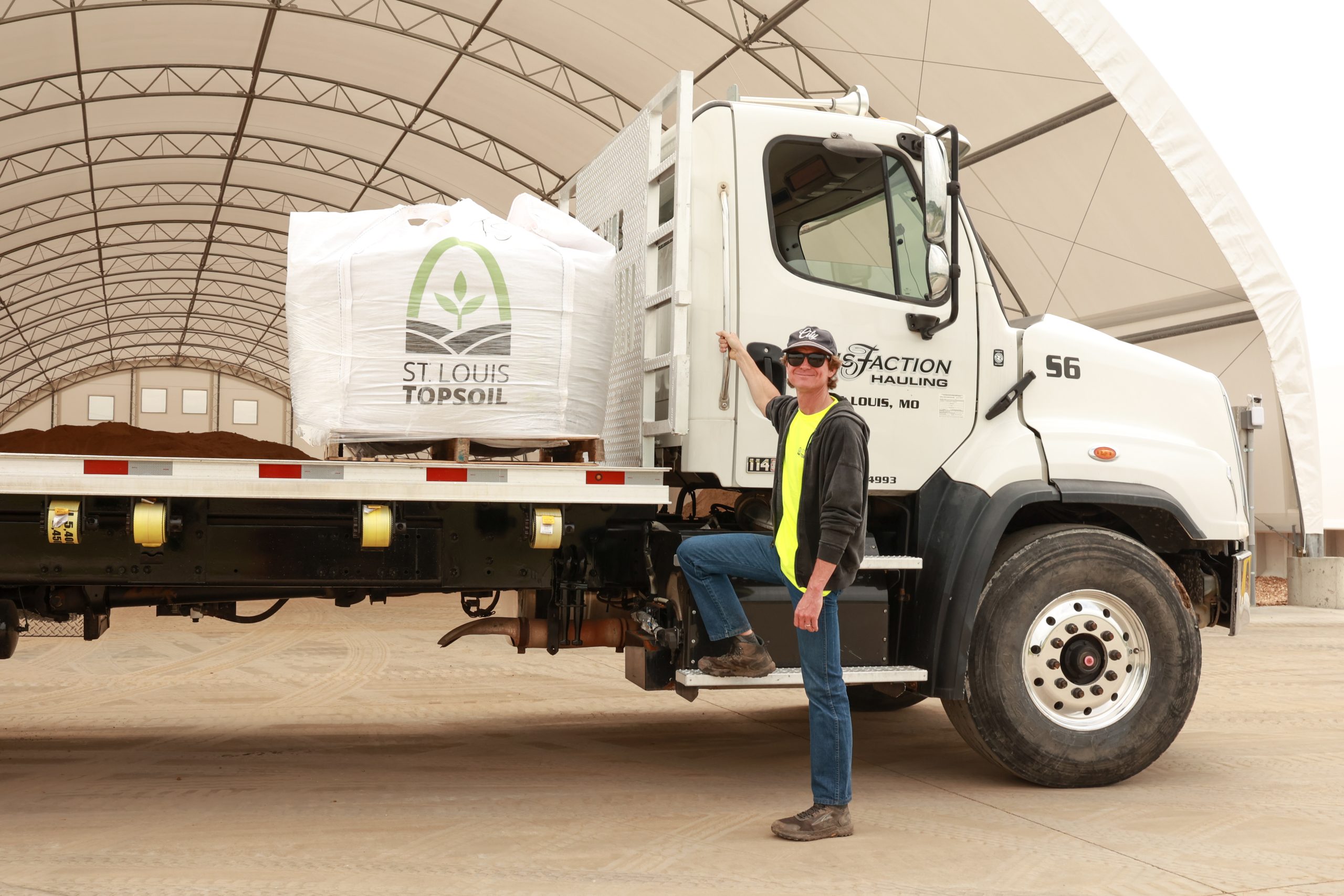
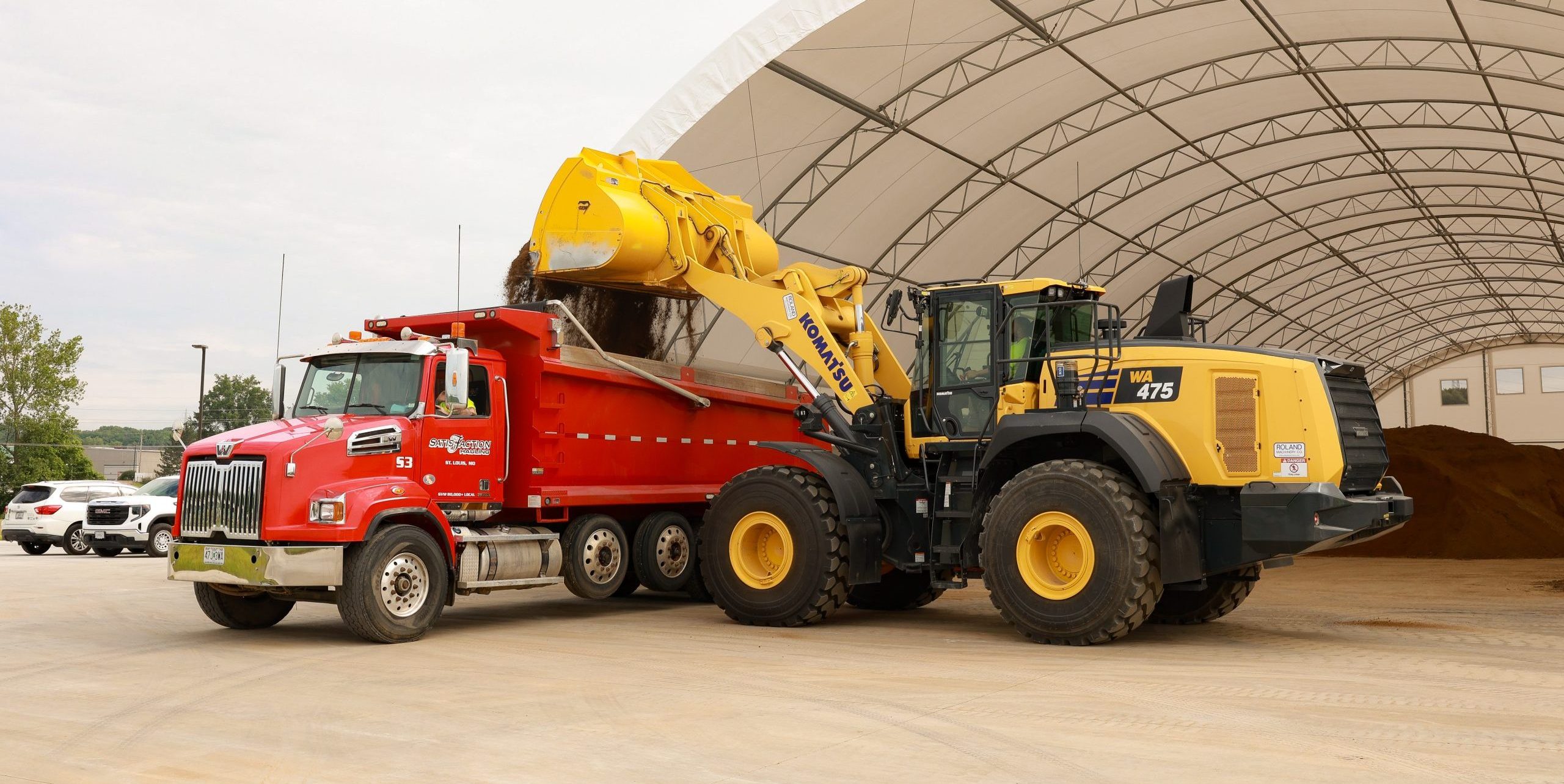
At St. Louis Topsoil, we source and blend premium topsoil designed to work well with the region’s clay-heavy soil. Whether you need a few yards for a home project or a full truckload for a landscape installation, we offer convenient pickup and local delivery.




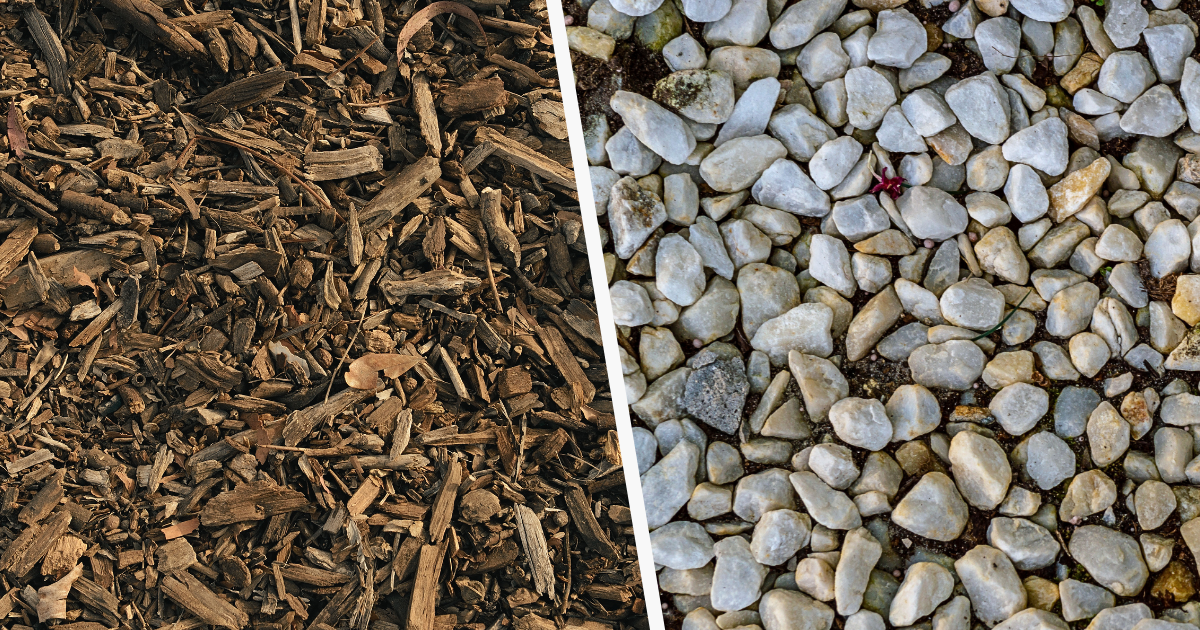
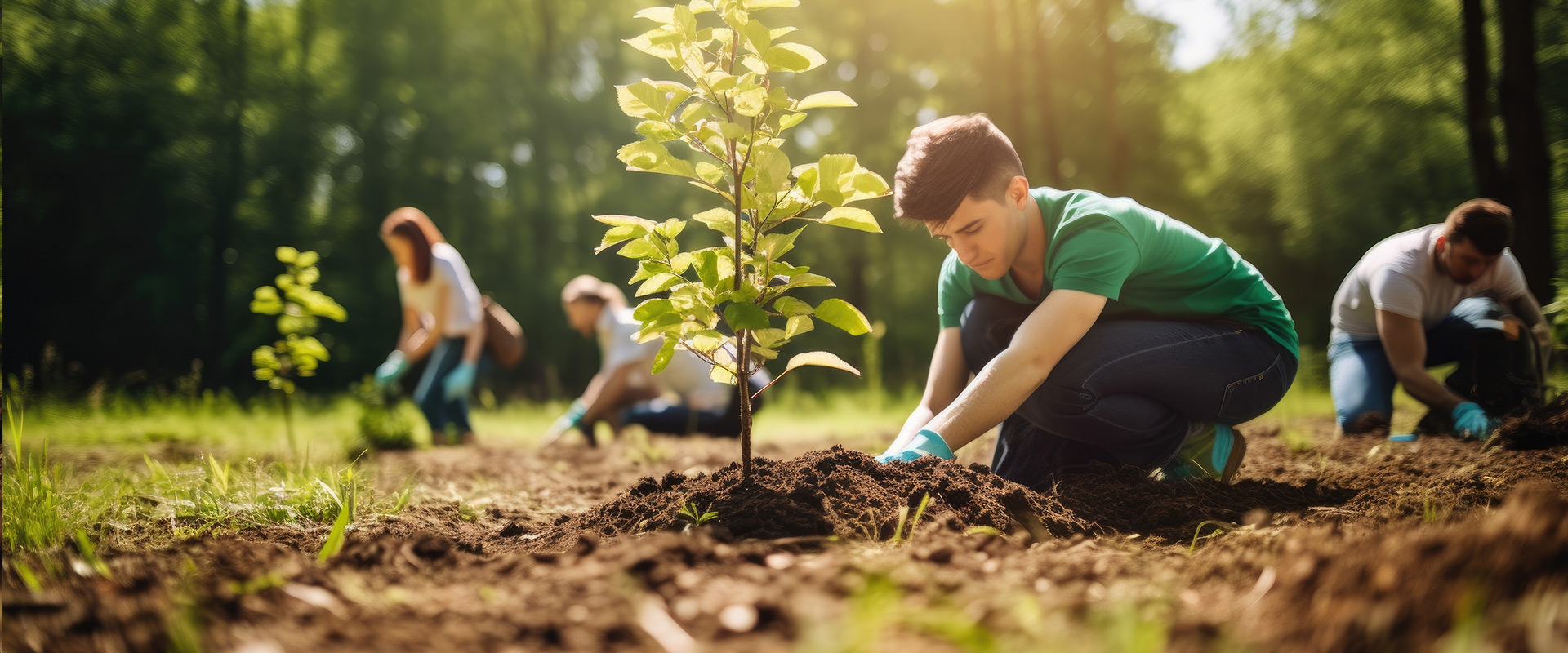
Planting may seem as simple as digging a hole and setting in a shrub, flower, or tree—but the small details matter. How you prepare the soil, handle the roots, and care for the plant in the first few weeks can…
 Material Calculator