Signs You Have Good Soil (& How to Improve It)
St. Louis Topsoil : Nov 26th, 2025
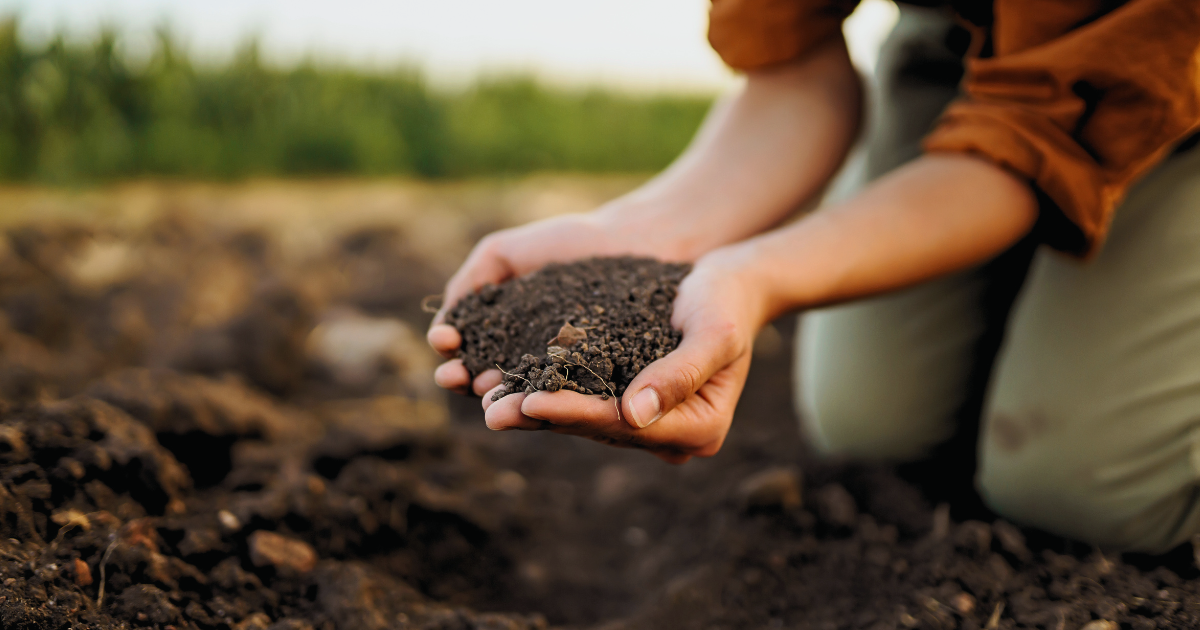
If your plants aren’t quite living their best lives, chances are it’s not your green thumb—the problem usually starts below the surface.
Healthy soil is the true foundation of any thriving garden or landscape. It supports strong root systems, delivers essential nutrients, and creates the balanced environment your plants need to grow with confidence. The most reliable way to know if your soil is up to the task? Take a closer look at its physical structure, chemical balance, and biological activity.
The good news? You don’t need years of experience to figure it out. With a little guidance and expert-backed tips from the team at St. Louis Topsoil, you can assess your soil with clarity and make meaningful improvements where it matters most. Let’s dig in!
Before we dive into signs and tests, let’s define what “healthy” or “good” soil actually means. Healthy soil isn’t just something that grows plants—it functions as a living ecosystem that continuously supports plants, animals, and humans while sustaining essential natural processes over time, as described in Soil Analysis. (1)
In soil science, this is known as soil health (or soil quality). Today, we understand that truly healthy soil is not defined by nutrients alone, but by the balance of three interconnected systems:
When this soil trio—physical, chemical, and biological—is strong and in balance, soil is better able to retain nutrients, manage water, resist degradation, and support long-term plant growth.
To measure how well soil performs overall, soil specialists use the Comprehensive Assessment of Soil Health (CASH), which evaluates 15 physical, chemical, and biological indicators and combines them into a single soil health score. These scores are tailored to local environments, reflecting the fact that what qualifies as good soil in one region may look different in another due to climate, soil type, and growing conditions.
In practical terms, good soil is soil that:
So when you ask, “What is good soil?” the answer is this: Good soil is living, balanced, and resilient—built to support life today and remain productive for years to come.
Let’s skip the textbook for a second. Here’s how good soil behaves in the wild:
If your soil feels like concrete, looks pale, or smells sour, it may need some TLC.
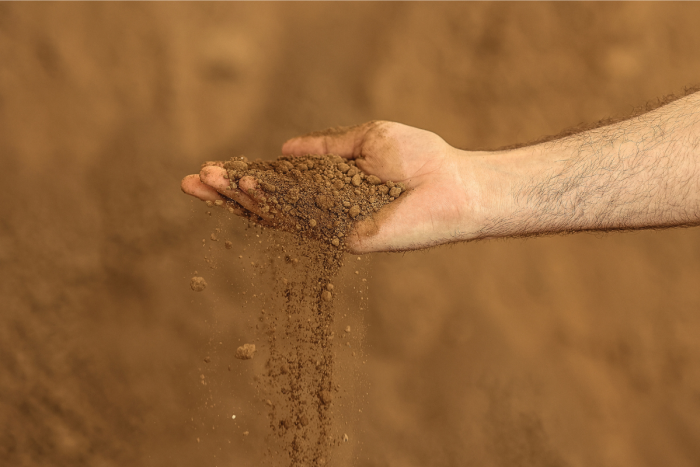
Healthy soil isn’t just about what you add to it—it’s about how it functions every day beneath the surface. The simplest way to tell if you’re working with good soil is by looking at three key areas: how it feels, how it feeds plants, and how much life it supports.
These physical, chemical, and biological indicators work together to create the foundation for strong, resilient growth. (2)
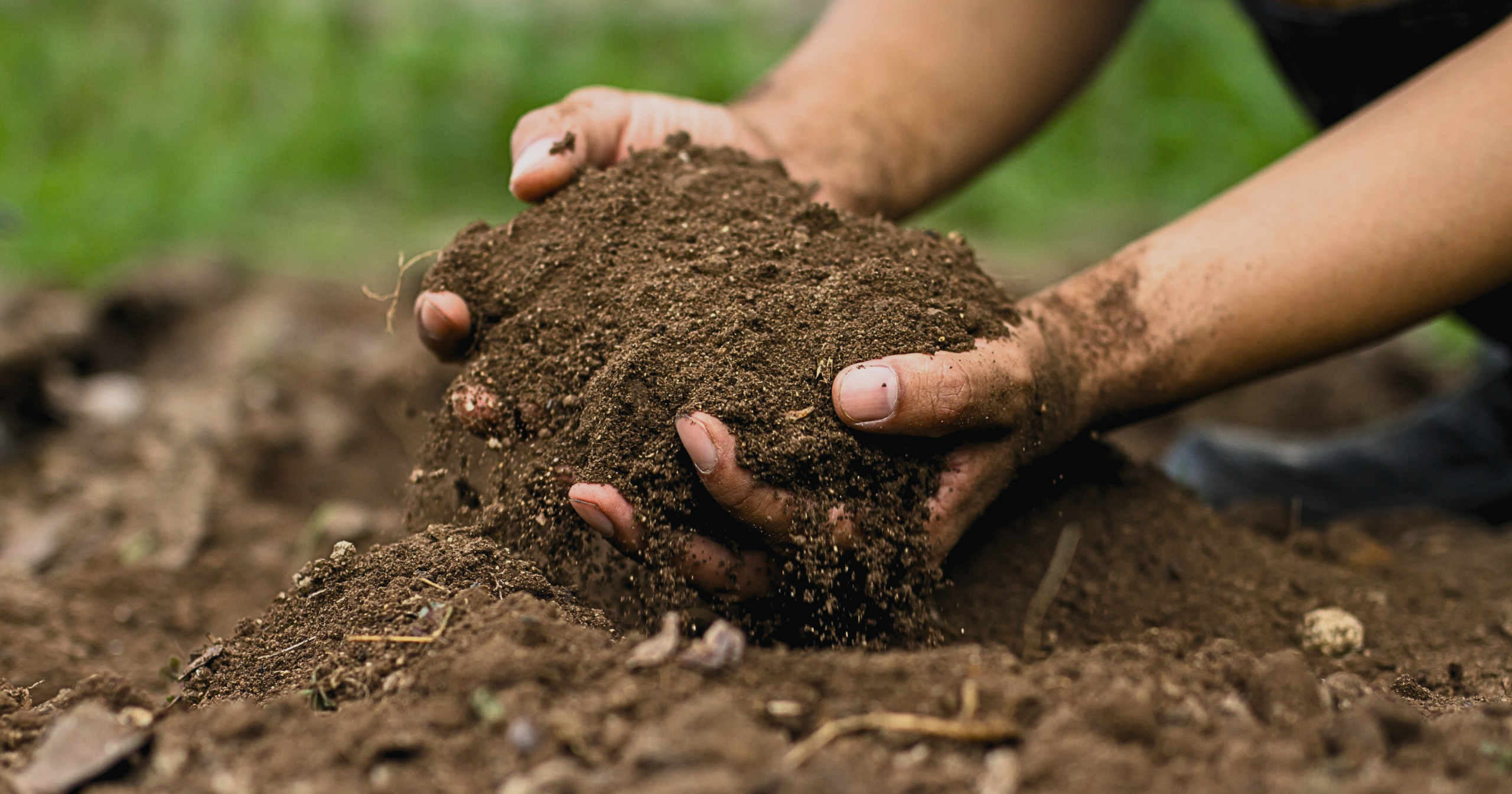
Good soil has small aggregates (natural clumps) that allow:
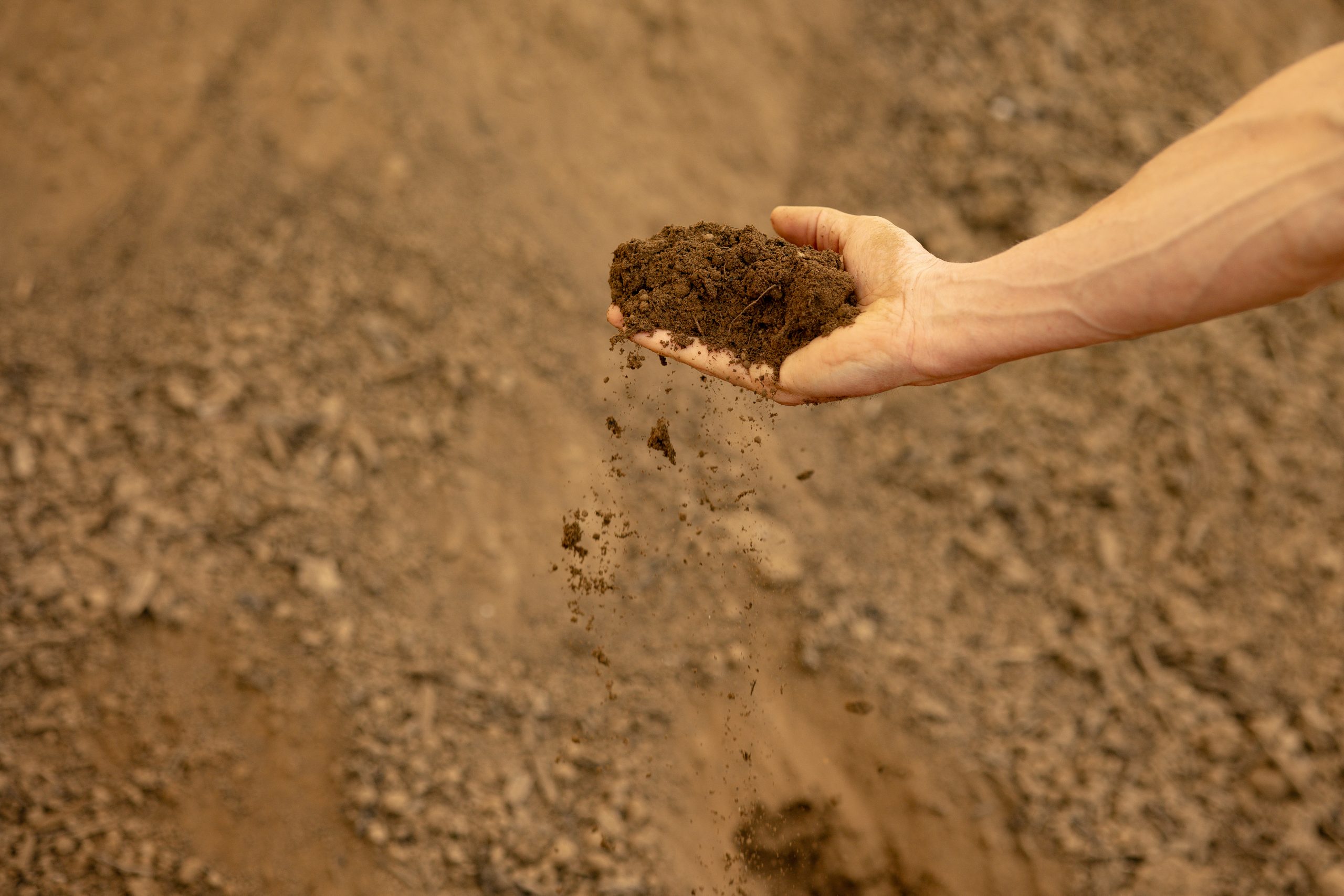
At-home test: Squeeze a moist handful of soil. Healthy soil forms a loose ball that gently breaks apart when tapped.
This is where many people start asking: what pH is good for soil?
For most plants, the sweet spot is a pH range of 6.0–7.5 — slightly acidic to neutral. In this range, nutrients—like nitrogen, phosphorus, and potassium—are most available to plants.
When soil pH falls too far outside this zone, whether too acidic or alkaline, plants may struggle even if nutrients are technically present.
Healthy chemical signs include:
Quick tip: A simple soil test from your local extension office or garden center can tell you exactly what’s going on below the surface—and it’s one of the best investments you can make for long-term soil health.
This is where the magic happens.
Healthy soil is alive. It’s teeming with:
If you’re seeing earthworms when you dig? That’s a great sign. These tiny workers aerate soil, improve nutrient cycling, and increase overall resilience.
Biological health is the backbone of truly sustainable gardening. When life thrives beneath the surface, your plants thrive above it.
In the St. Louis area, many gardens sit on dense, clay-heavy soil that tends to compact easily and drain poorly.
What this means for St. Louis gardeners:
Quick fixes for St. Louis soil:
Improving soil structure—the way your soil clumps, breathes, and drains—is the fastest way to turn heavy St. Louis soil into productive, healthy ground.
You don’t need lab equipment to start evaluating whether you have good soil. Here are beginner-friendly checks:
If your plants look stressed despite good care, soil quality might be the missing piece.
Use this quick guide to evaluate your soil at a glance:
☐ Dark, rich color
☐ Crumbly texture
☐ Smells earthy
☐ Drains well after rain
☐ Contains earthworms
☐ Supports strong plant growth
☐ pH between 6.0–7.5
☐ No standing water
☐ Easy to dig into
☐ Organic matter visible
If you check most of these boxes, congratulations! You’ve got good soil!
Once you understand what your soil needs, the next step is making targeted improvements that support long-term health — no matter where you garden.
Here are practical, high-impact ways to upgrade your soil:
At St. Louis Topsoil, we create thoughtfully blended soils designed to support healthy plant growth across a wide range of conditions—while also understanding the unique challenges of our region’s clay-heavy ground.
No matter your location or landscape goals, choosing the right soil foundation helps plants grow stronger, more resilient, and more consistent over time.
Healthy soil does more than grow plants. It:
Great gardens begin beneath the surface. When you invest in your soil, everything else becomes easier.
Healthy soil isn’t perfect soil. It’s balanced soil, physically, chemically, and biologically.
By paying attention to texture, life, and chemistry (especially understanding what pH is good for soil), you’ll gain real insight into whether you’re working with thriving, healthy soil or soil that needs a little more love.
And the best part? Soil health is always something you can improve—one thoughtful change at a time.




Planting may seem as simple as digging a hole and setting in a shrub, flower, or tree—but the small details matter. How you prepare the soil, handle the roots, and care for the plant in the first few weeks can…
 Material Calculator