Your Step-By-Step Guide for Measuring and Ordering with Confidence
St. Louis Topsoil : Dec 2nd, 2025
Have you ever been in the middle of a recipe and suddenly realize you’re missing one key ingredient? That’s what running out of topsoil feels like—a totally avoidable inconvenience that can slow your momentum. That’s why getting the measurement right from the start matters.
In this guide, you’ll learn how to calculate the exact amount of topsoil your project needs, why depth matters, and how to use our topsoil calculator for easy ordering. Whether you’re starting a new lawn, filling raised beds, or smoothing out those uneven St. Louis low spots, you’ll order with confidence.
To figure out how much topsoil you need, measure your project area and choose your desired depth, then use this simple formula:
Length (ft) × Width (ft) × Depth (inches) ÷ 12 = Cubic Feet
Cubic Feet ÷ 27 = Cubic Yards
Most projects fall into these general depth ranges:
As a rule of thumb, always round up by 5-10% to account for settling and uneven terrain.
Getting the amount right prevents delays, avoids wasted material, and ensures your soil supports healthy roots from day one—not too thin, not too deep, but justttt right.
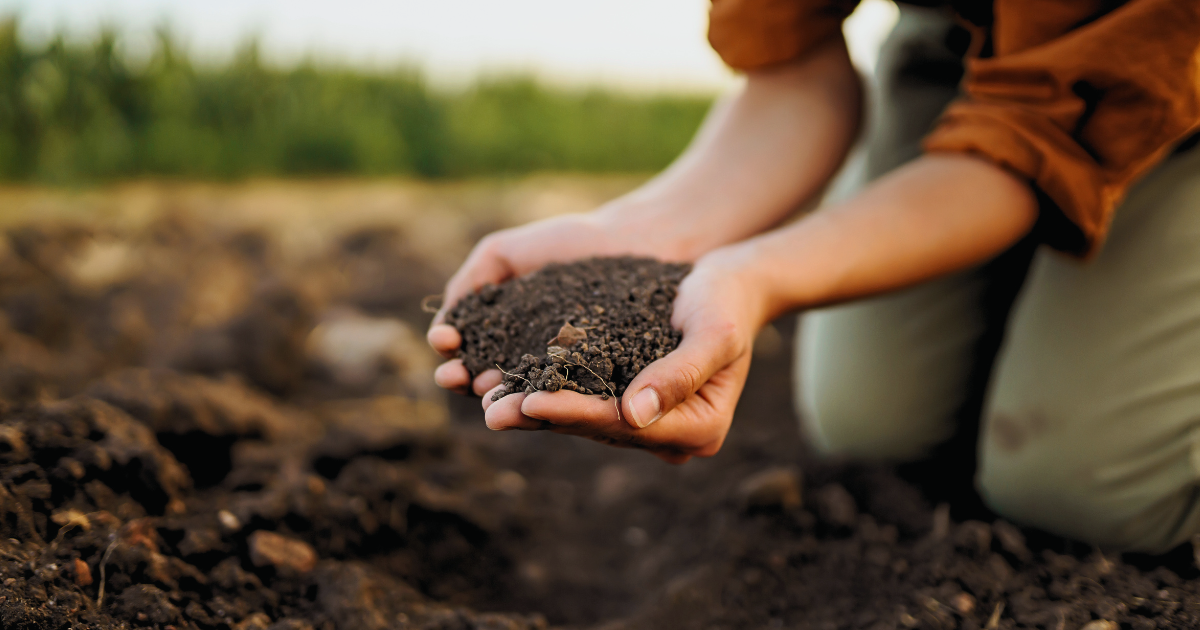
Topsoil is the upper layer of soil rich in organic matter, minerals, and microorganisms. It’s where roots anchor, nutrients absorb, and water moves—making it essential for strong, healthy plant growth.
Too little topsoil:
Too much topsoil:
You’re aiming for that Goldilocks amount—not too thin, not too deep, just right—so the soil supports healthy roots without becoming so tight it doesn’t let them breathe or drain properly.
If you’re asking yourself, “How do I calculate how much topsoil I need?”, the good news is the process is simple—and once you know the formula, you’ll be able to estimate any project confidently.
Below is the exact step-by-step method professionals (and your local St. Louis topsoil experts) use to calculate topsoil needs.
Use a tape measure to record the length and width of the space you plan to cover. You’ll use these numbers in the calculation later.
Pro tip: For irregular areas, break the space into smaller rectangles, measure each one, and add the totals.
Next, determine how deep your new topsoil layer should be. This varies depending on the project:
Choosing the right depth ensures your plants have enough room to develop healthy roots without creating overly compacted conditions.
St. Louis Tip: Our region’s clay-heavy soil usually benefits from slightly deeper layers (4 -6 inches for lawns, 8+ inches for beds) to improve drainage and root penetration.
Now that you know your area and depth, use this formula to calculate cubic feet of topsoil needed:
Cubic Feet Formula:
This two-step formula tells you exactly how much topsoil to order in cubic yards, the standard unit for bulk topsoil.
Always add 5-10% extra to your final number to account for:
It’s always better to have a bit too much than to come up frustratingly short.
Once you’ve done the manual calculation, you can double-check your results using our free topsoil calculator here.
Different projects require different amounts of topsoil. Whether you’re growing a new lawn, building raised beds, or fixing those stubborn low spots, choosing the right depth ensures roots can anchor, nutrients can circulate, and water can drain properly.
Below are the most common use cases—and how much topsoil each typically needs.
Recommended depth: 4-6 inches
A healthy lawn starts with a strong foundation. Most grass varieties need several inches of loose, nutrient-rich soil to establish deep, resilient roots.
Best for:
Why it matters:
St. Louis Tip: Because St. Louis soil tends to be dense and clay-heavy, most homeowners see better results with closer to 6 inches—especially when renovating or installing a new lawn.
Recommended depth: 8-12 inches
Flowering plants, vegetables, and perennials require richer soil and more room for root systems to grow. Deeper soil improves aeration, nutrient availability, and overall plant health.
Best for:
Benefits of deeper topsoil:
Recommended depth: Varies based on the area and severity
Fixing low spots is one of the most common residential topsoil projects. The amount of topsoil needed depends on the size and depth of the depression.
General guidelines:
Important tips:
| Project Type | Recommended Topsoil Depth | Notes |
| New Lawn | 4-6 inches | 6″ ideal for St. Louis clay soil |
| Lawn Refresh / Overseeding | 1-2 inches | Light improvements only |
| Garden Beds | 8-10 inches | Annuals + shallow-rooted plants |
| Raised Beds | 10-12+ inches | Vegetables + deeper roots |
| Leveling Low Spots | 2-6 inches | Depth varies by severity |
| Filling Holes | As needed | Compact in layers |
Many homeowners accidentally under-order because of simple oversights. Avoid these issues:
If your yard has hills, dips, or St. Louis clay that compacts heavily, rounding up 5-10% is even more important.
You’ve got your measurements—now it’s time to bring the soil home. To avoid surprises on delivery day, here are a few things to think through beforehand:
Accurate measurement helps you avoid overbuying or coming up short. A bit of planning upfront ensures your topsoil delivery, wherever you are—whether you’re local or in the St. Louis area—arrives smoothly.
Once you know your measurements and ideal depth, figuring out your topsoil needs is easier than you think. The right amount of soil supports strong roots, better drainage, and long-lasting results.
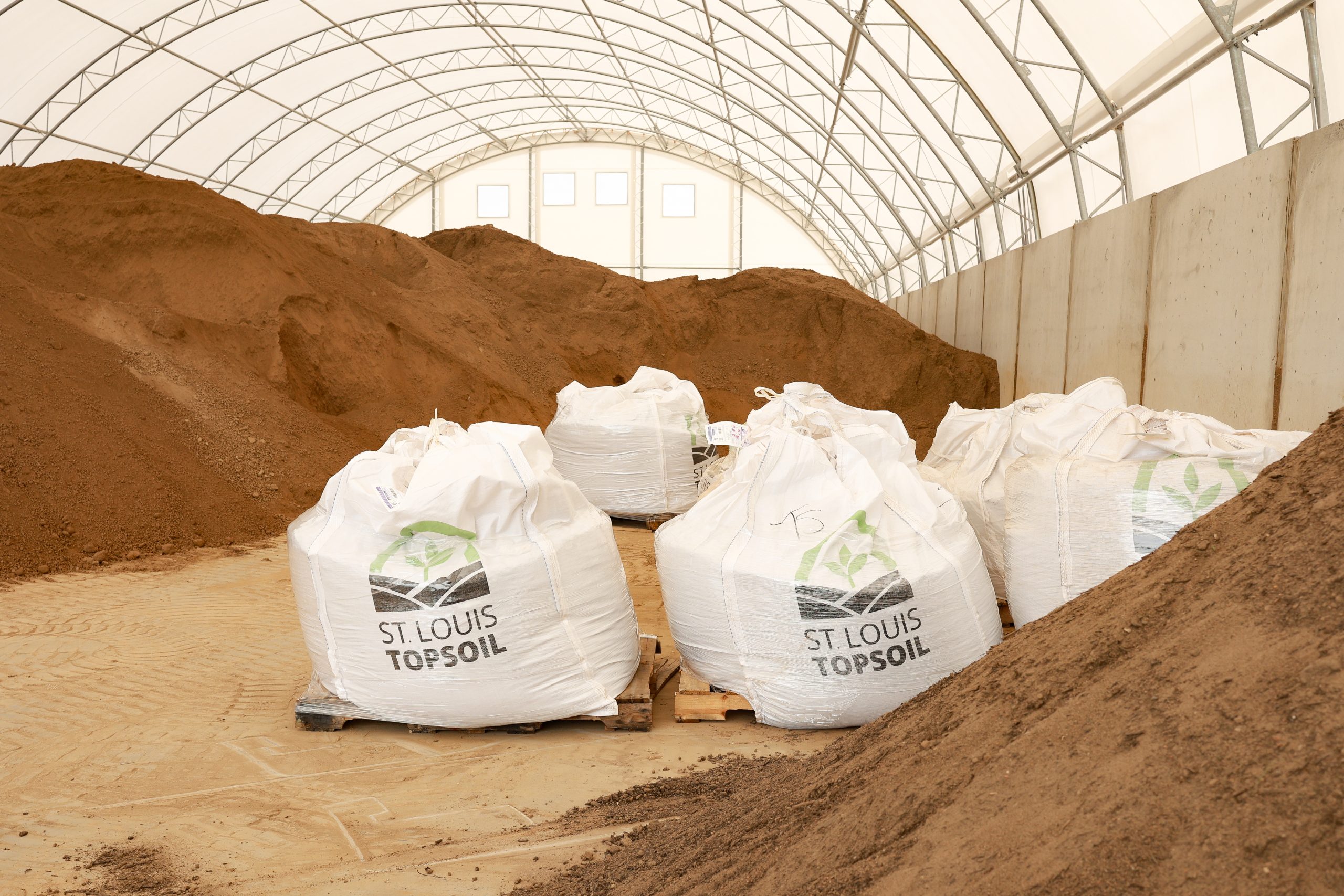
And you don’t have to do it alone—St. Louis Topsoil is here to help you calculate your needs, choose the right product, and deliver it right to your project site. From the first measurement to the final delivery, we’ve got you covered.
Plan for 4 to 6 inches of topsoil for a lawn as a general reference point. This depth gives grass seed or sod the moisture, nutrients, and space needed to establish deep, strong roots.
Use this formula to calculate your topsoil needs:
Length (ft) × Width (ft) × Depth (inches) = Cubic Feet
Cubic Feet ÷ 27 = Cubic Yards (the amount of topsoil you need!)
You can also use an online cubic yard calculator like the one here.





Planting may seem as simple as digging a hole and setting in a shrub, flower, or tree—but the small details matter. How you prepare the soil, handle the roots, and care for the plant in the first few weeks can…
 Material Calculator