The Optimal Blend for Thriving Plants
St. Louis Topsoil : Feb 3rd, 2026
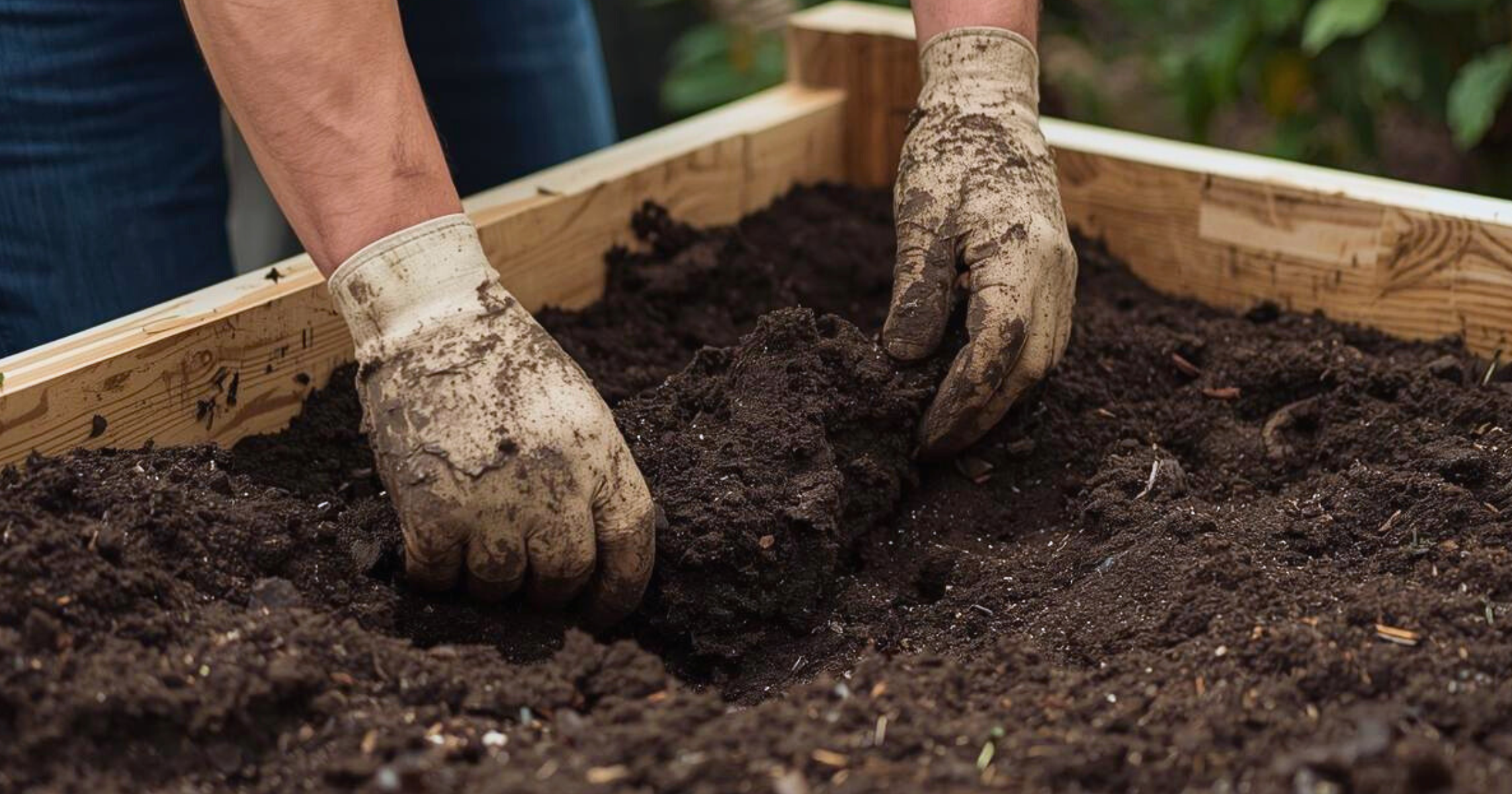
If you’ve ever planted a garden and struggled to get good results, there’s a good chance the issue wasn’t your plants—it was your soil.
Raised beds give you more control over growing conditions, but that also means your plants rely completely on the soil you put inside the bed. The good news? Finding the best soil for raised garden beds doesn’t have to be complicated.
Let’s dig into what makes good soil for raised beds, why they need something different than in-ground gardens, and how to get it right from the start.
Good soil for raised garden beds needs to do a few key things to support thriving plants:
That’s why the best soil for a garden bed is usually a blend, not a single material.
Raised beds behave differently from in-ground soil. They generally:
Because of this, the best soil for raised garden beds needs to provide structure, nutrients, and moisture control all in one mix.
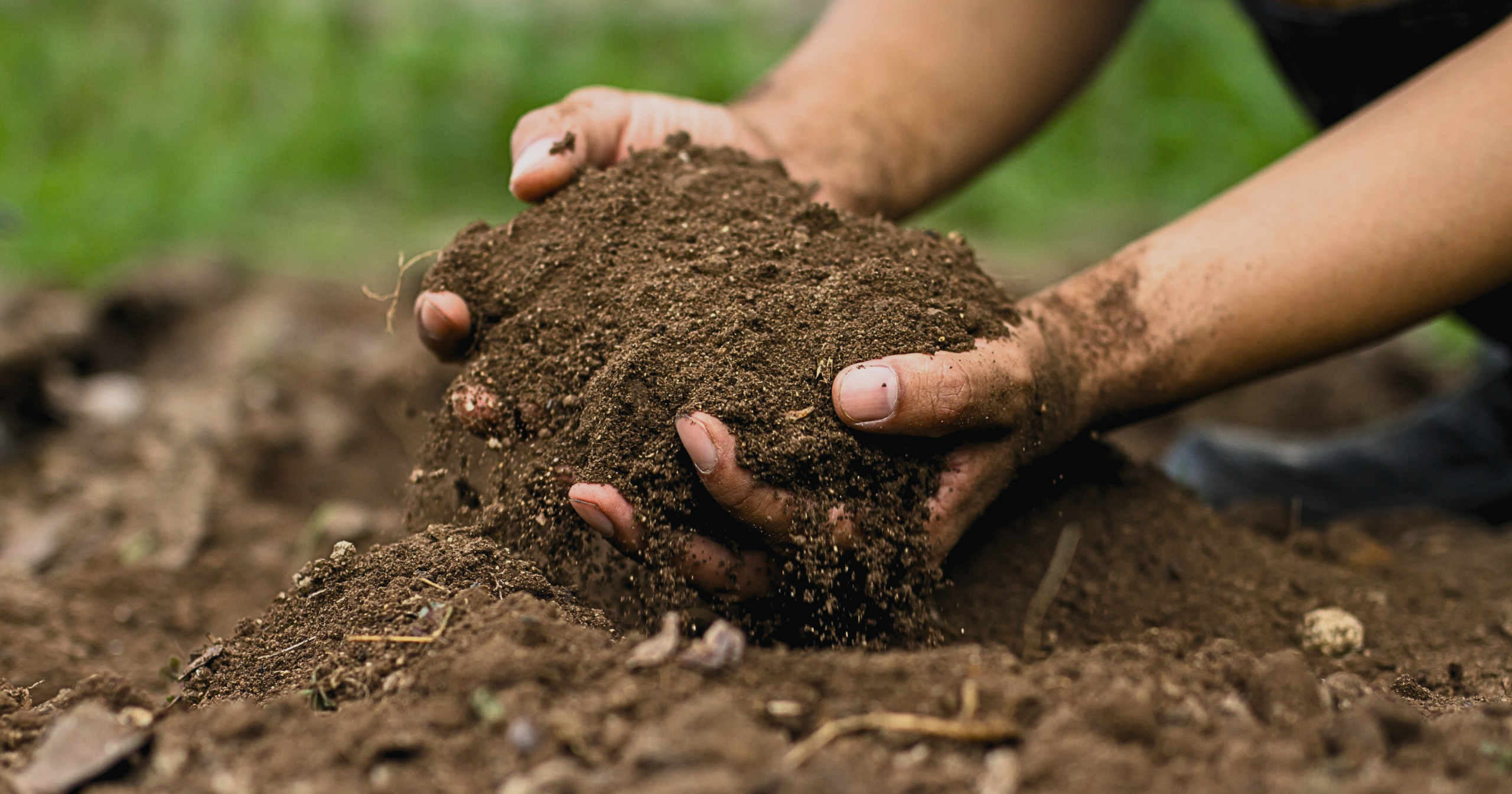
Topsoil provides structure, but it’s often low in organic matter and nutrients. Over time, it can also compact.
Garden beds filled with only topsoil commonly develop:
Topsoil is a great starting point—but it works best when combined with materials that improve drainage and fertility.
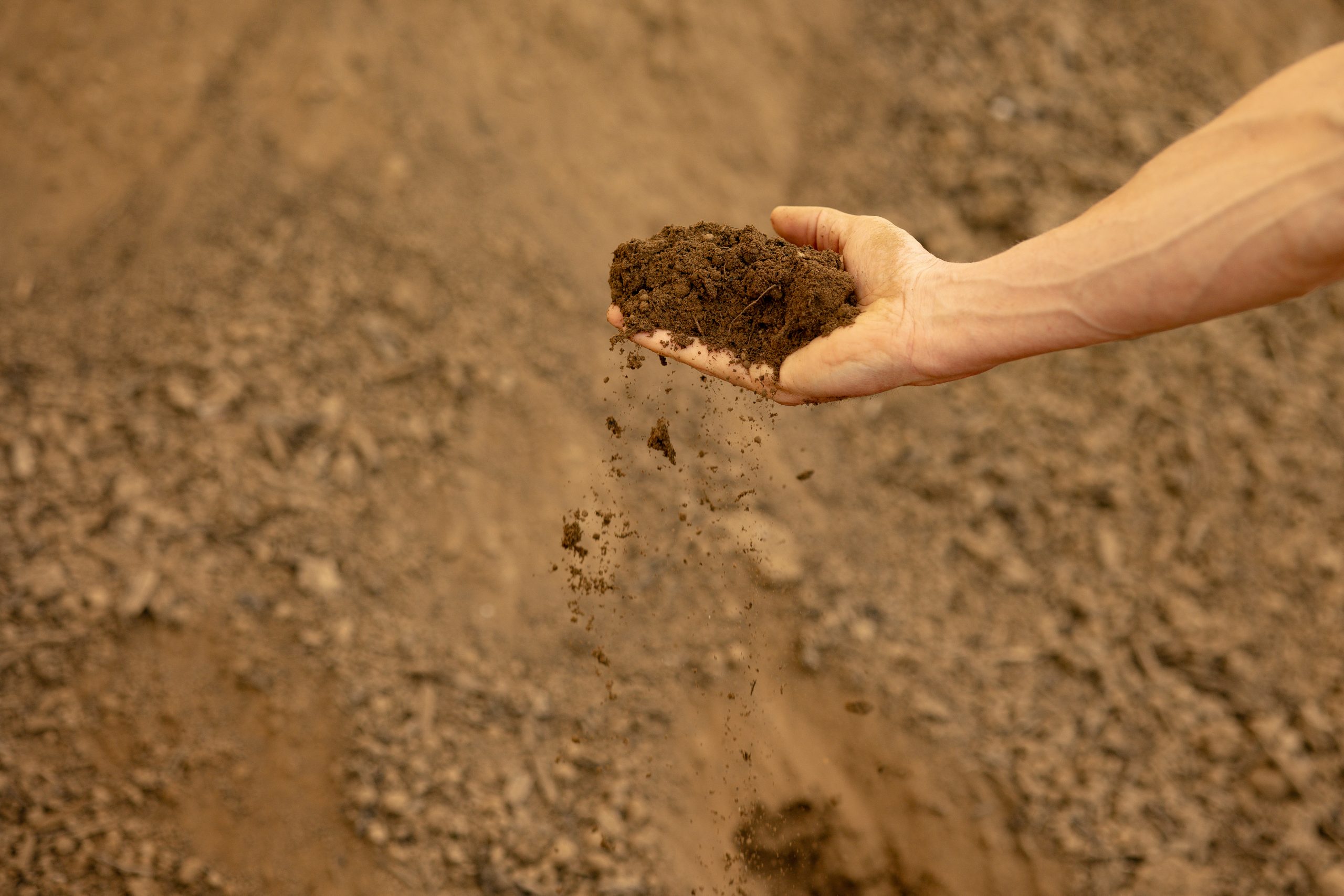
A high-quality soil mix for a raised bed garden blends three key ingredients:
Together, these create a growing medium that’s loose, fertile, well-draining, and easy to plant into. A pre-blended raised bed mix takes the guesswork out by combining these ingredients in the right proportions.
Using a blended garden soil mix instead of straight topsoil offers:
The result? Healthier, more productive gardens!
Raised bed mix is ideal for:
Any space where plants rely entirely on imported soil benefits from a balanced raised-bed mix.
Before ordering garden soil mix, it helps to know roughly how much material your garden beds or raised beds will require. The process is simple and works for most projects.
Measure the length and width of each garden bed or raised bed (in feet). For multiple beds, calculate each one and add the totals together.
Most raised beds need about 8-12 inches of soil.
Length (ft) × Width (ft) × Depth (inches) = Cubic Feet
Cubic Feet ÷ 27 = Cubic Yards
Add 5-10% to account for settling and small measurement errors.
This gives you a solid estimate so you can order confidently and avoid running short mid-project.
Whether you want to skip the math altogether or want reassurance of your crunched numbers, a material calculator can help you pinpoint how much raised garden mix you need.
Filling a raised bed correctly helps your soil settle evenly and gives plant roots a good environment from day one.
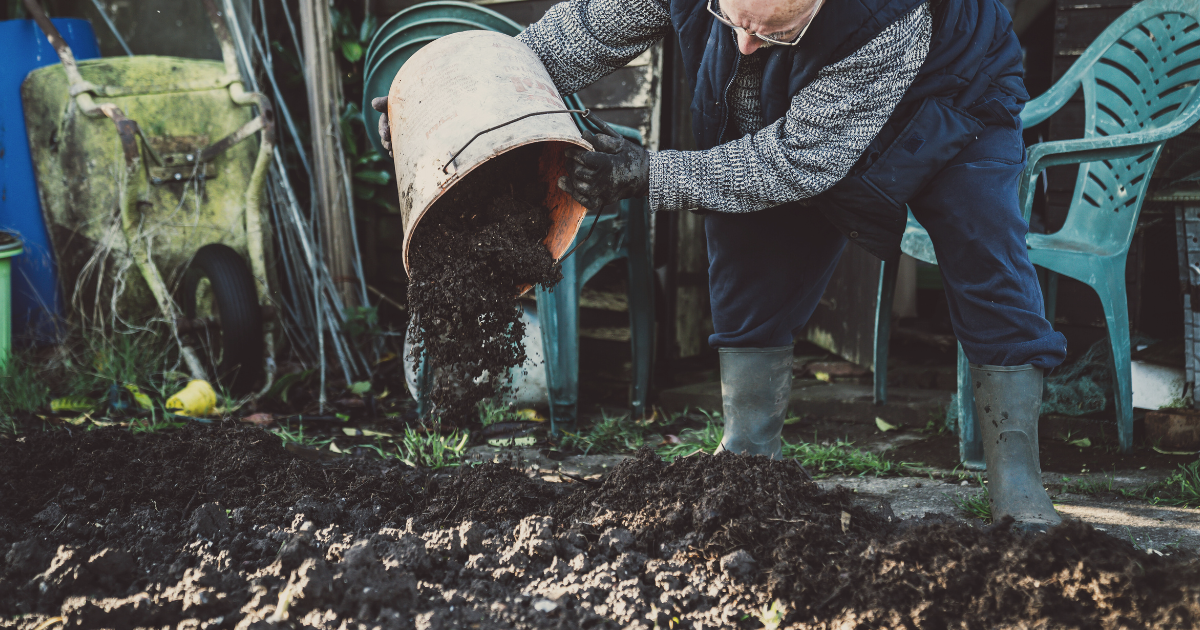
1. Add your garden soil mix: Pour or shovel the soil mix into the bed, distributing it evenly from corner to corner.
2. Level gently (don’t compact): Use a rake or shovel to smooth the surface. Avoid pressing or packing the soil—loose soil allows better root growth and drainage.
3. Water thoroughly to help settle: Give the bed a deep watering so the soil settles naturally and air pockets collapse.
4. Top off if needed: After watering, add a little more soil mix to bring the bed back to the desired level.
That’s it—your bed is now ready for planting!
A few pitfalls to avoid:
Starting with the right mix prevents most issues.
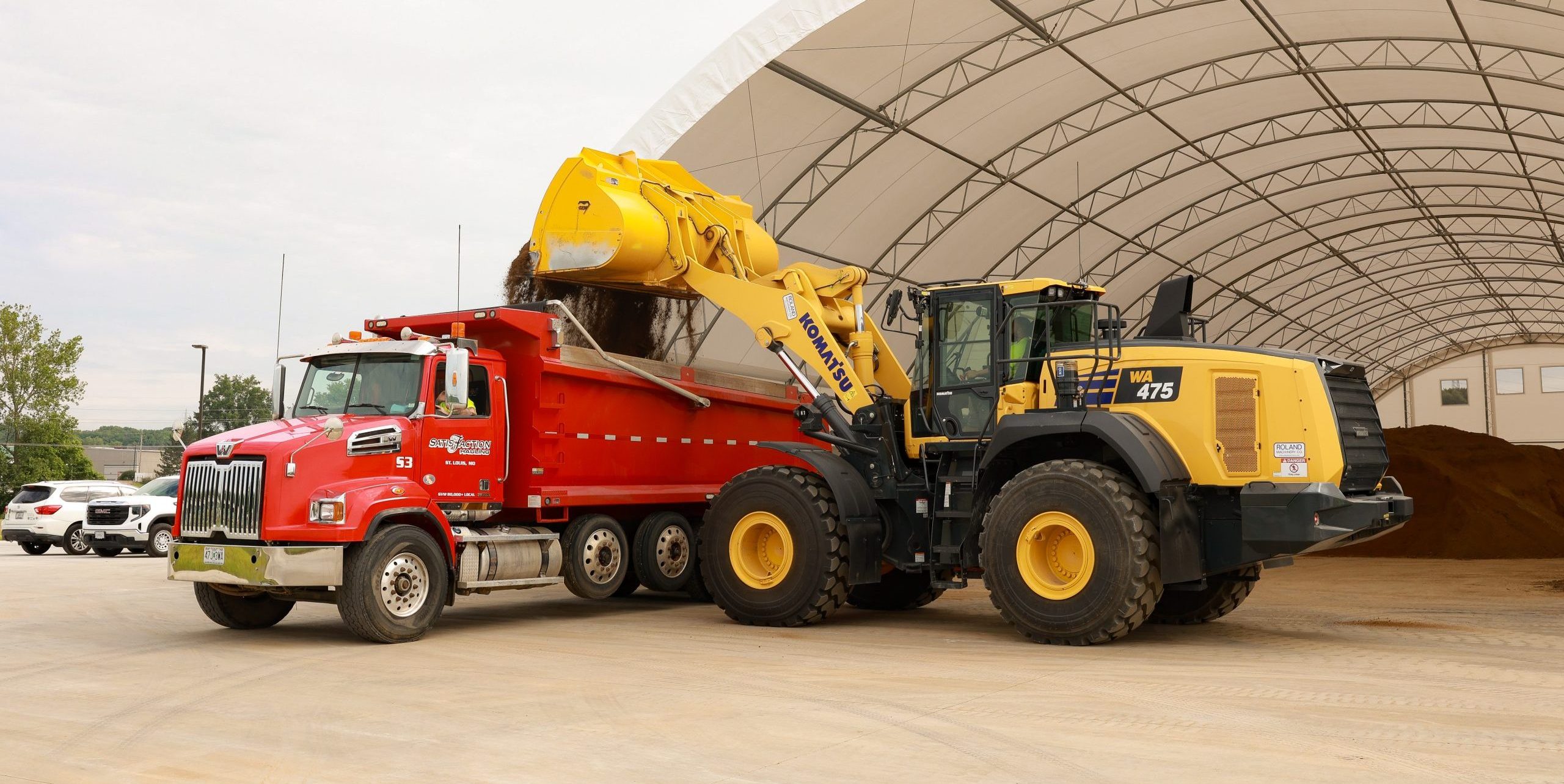
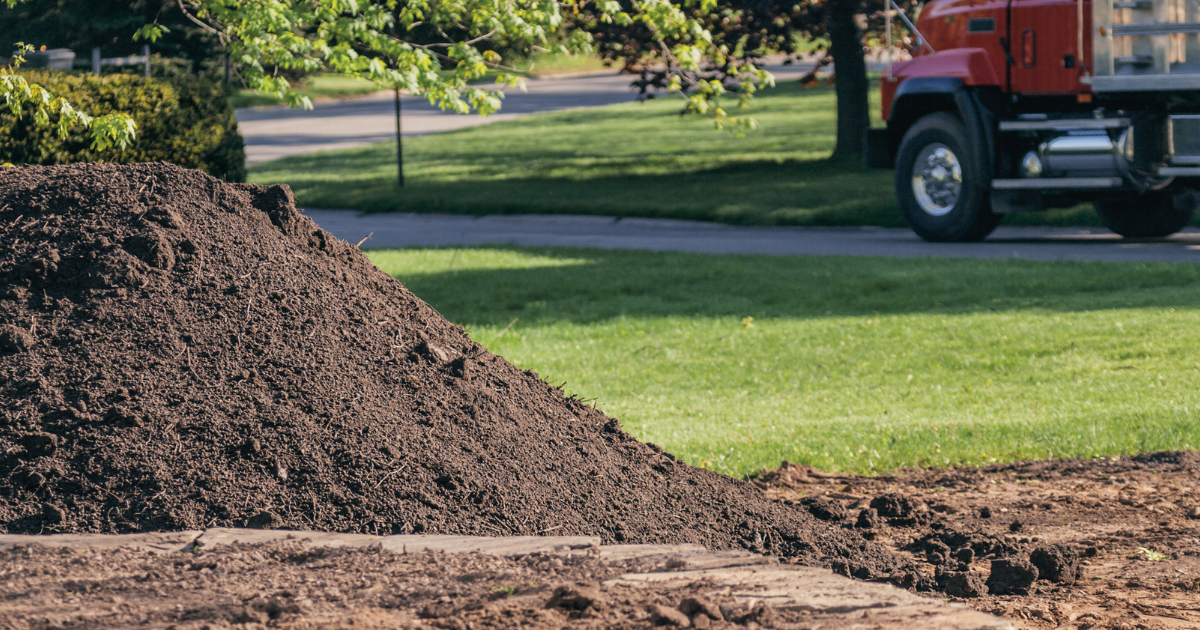
Bulk soil is often the best option if you’re:
Oh, and ordering in bulk is cost-effective, consistent, and easier than hauling dozens of bags!
The best soil for raised garden beds is a balanced blend of topsoil, sand, and compost. Get the soil right, and everything else will likely fall into place.
If you’d like help choosing the right garden soil mix or estimating quantities, your local soil supplier can help you plan and deliver directly to your site—so you can spend less time guessing and more time gardening.





Planting may seem as simple as digging a hole and setting in a shrub, flower, or tree—but the small details matter. How you prepare the soil, handle the roots, and care for the plant in the first few weeks can…
 Material Calculator