What to Use & Avoid for Thriving Plants
St. Louis Topsoil : Feb 4th, 2026
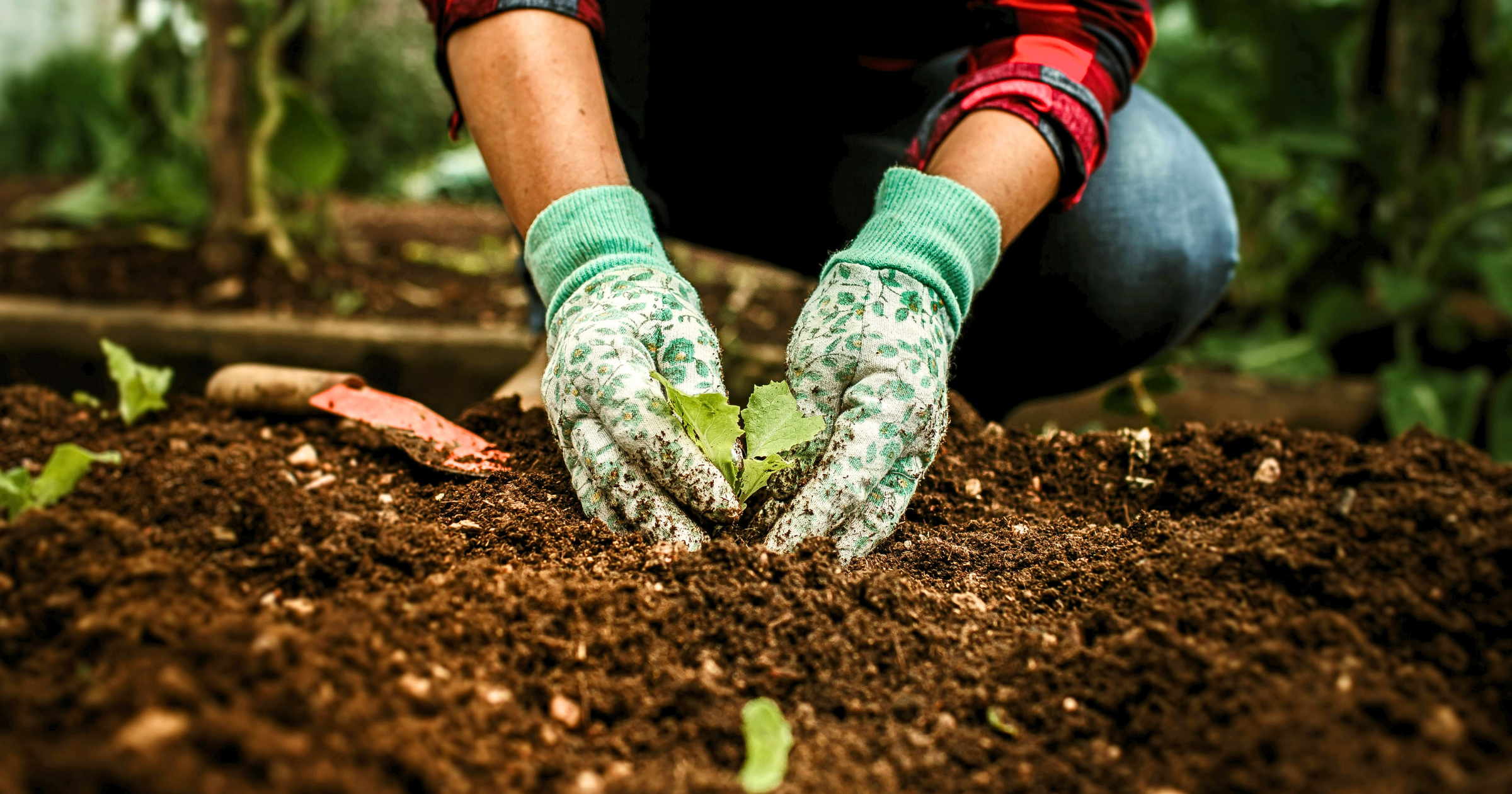
Have you ever planted directly in the ground and thought, “Why does everyone else’s garden look better than mine?” Don’t worry—you’re not alone.
The good news? Your thumb doesn’t need to get greener—you probably just need better soil.
Let’s dig into what makes the best soil for a garden bed and how to create a simple, reliable foundation for healthy growth.
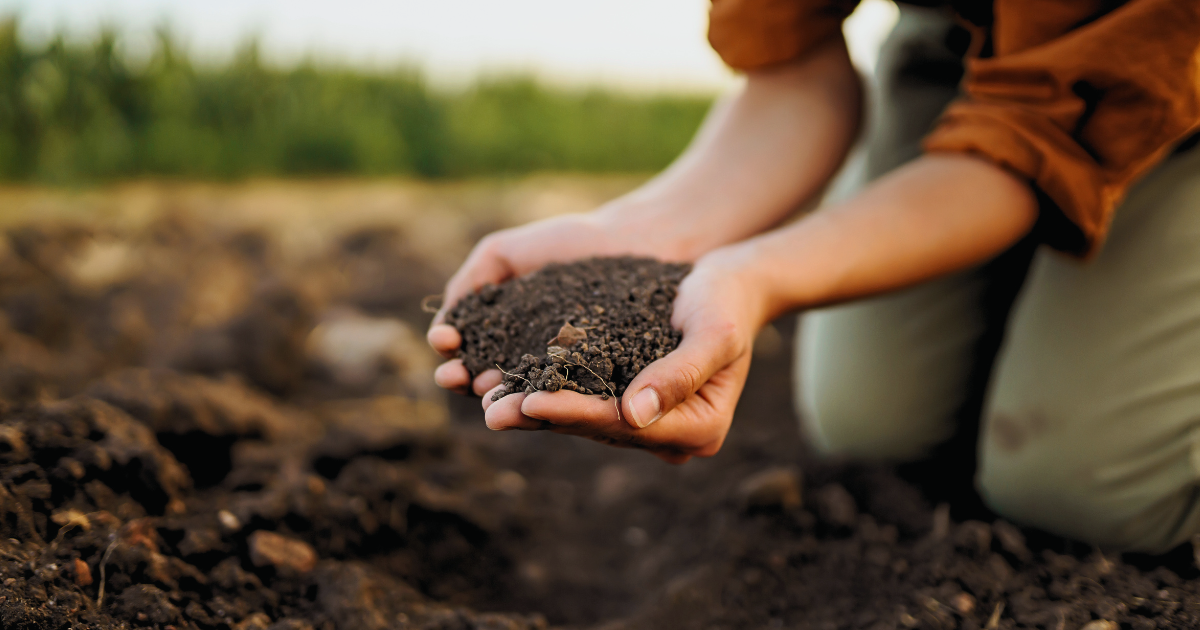
Good garden soil supports plant growth by balancing nutrients, moisture, drainage, and structure. When these pieces work together, plants establish roots more easily and grow more consistently.
Good soil for garden beds should:
When soil lacks organic matter or becomes compacted, roots struggle to access air, water, and nutrients—even if fertilizer is present.
That’s why the best soil for a garden bed is usually a blend, not a single material.
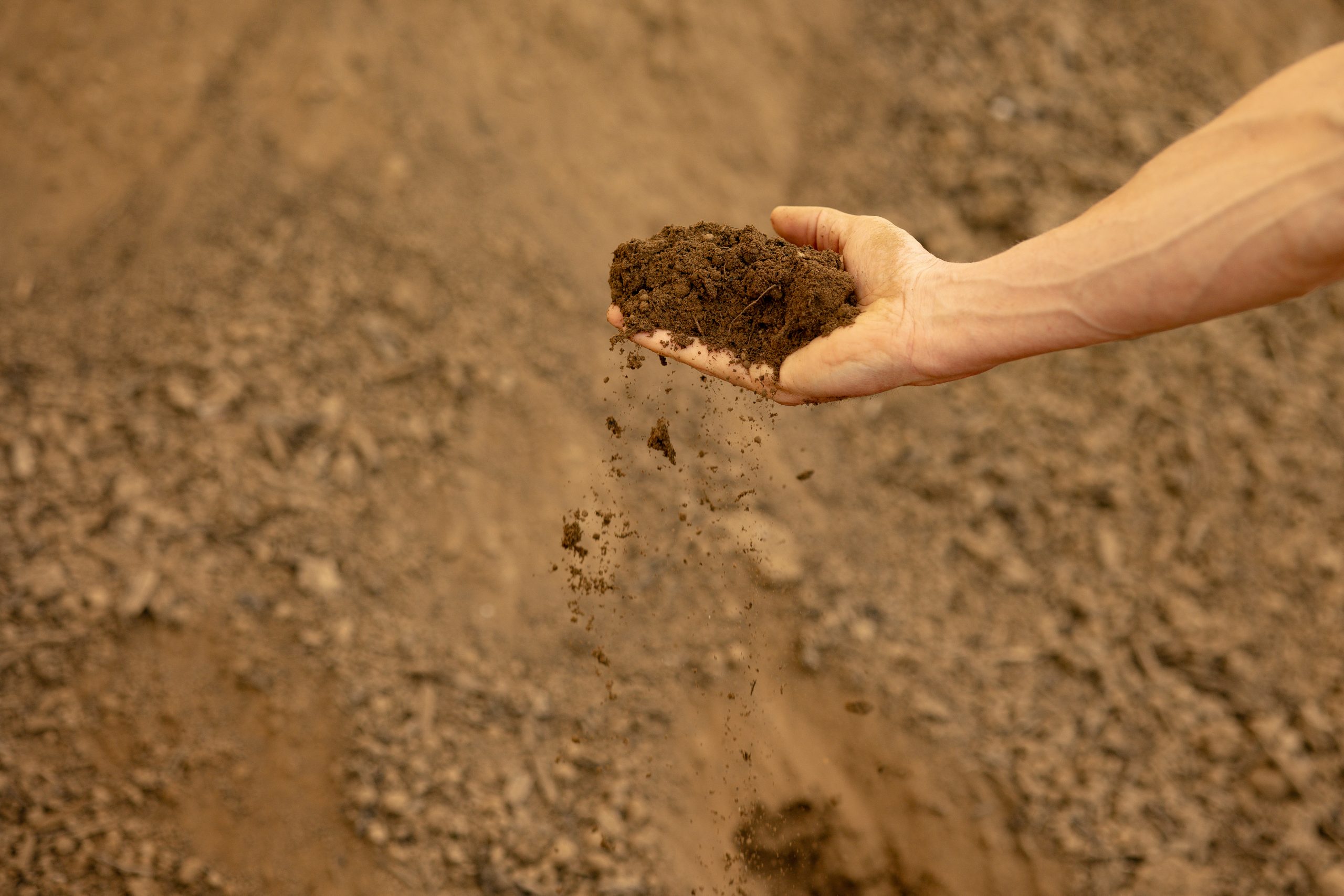
Most native soils aren’t ideal for planting directly from the ground. They typically fall into one of three categories:
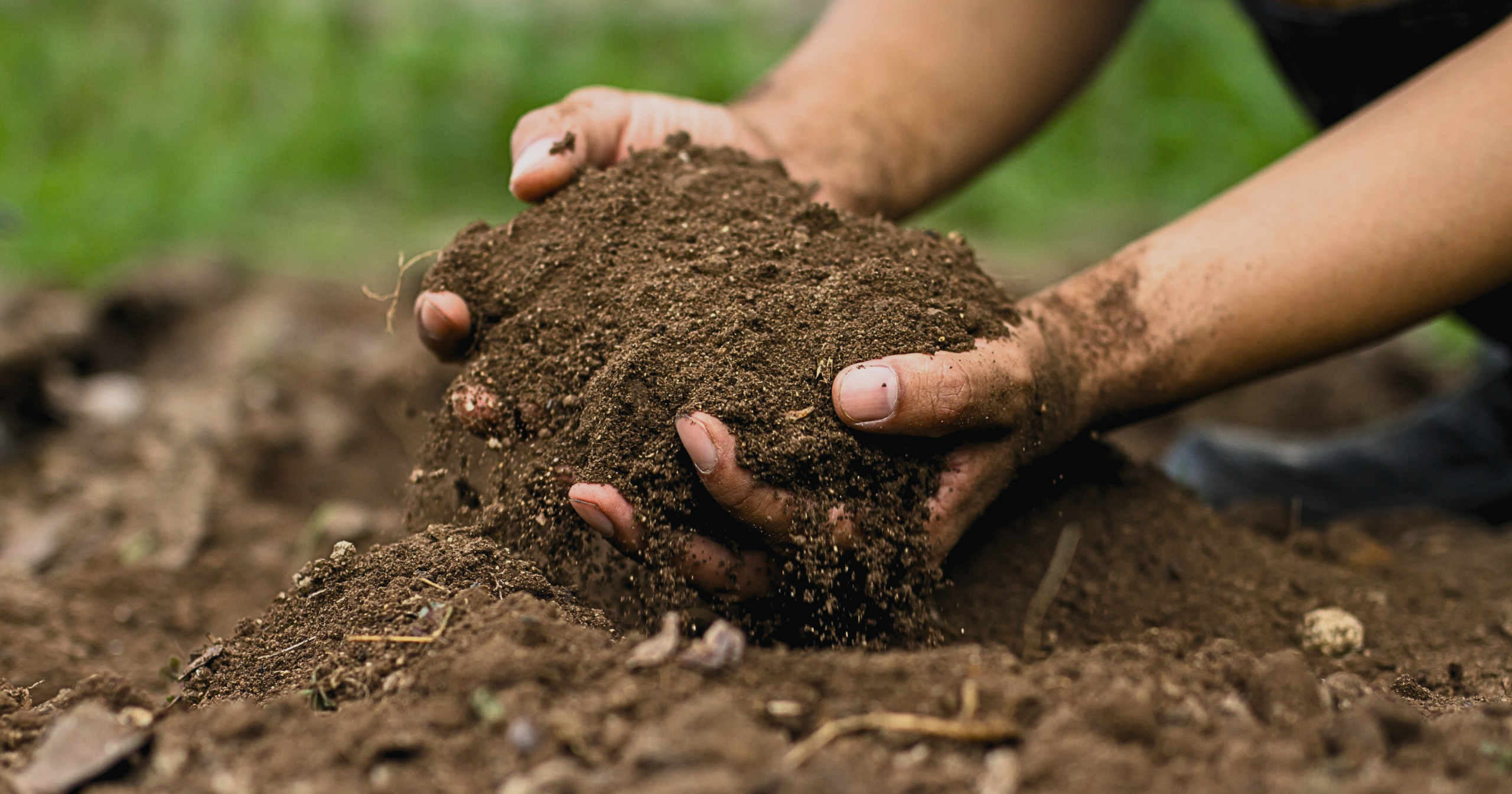
All three benefit from adding organic matter. Compost improves structure, increases biological activity, and helps soil hold nutrients and moisture. Topsoil rebuilds depleted areas and adds body to the soil.
Together, they create a healthier growing environment.
Topsoil provides structure, but it’s often low in nutrients and organic matter. Over time, it can also compact.
Garden beds filled with only topsoil commonly experience:
Topsoil works best when blended with compost.
Related: What Is Topsoil? Why It Matters for St. Louis Lawns and Yards
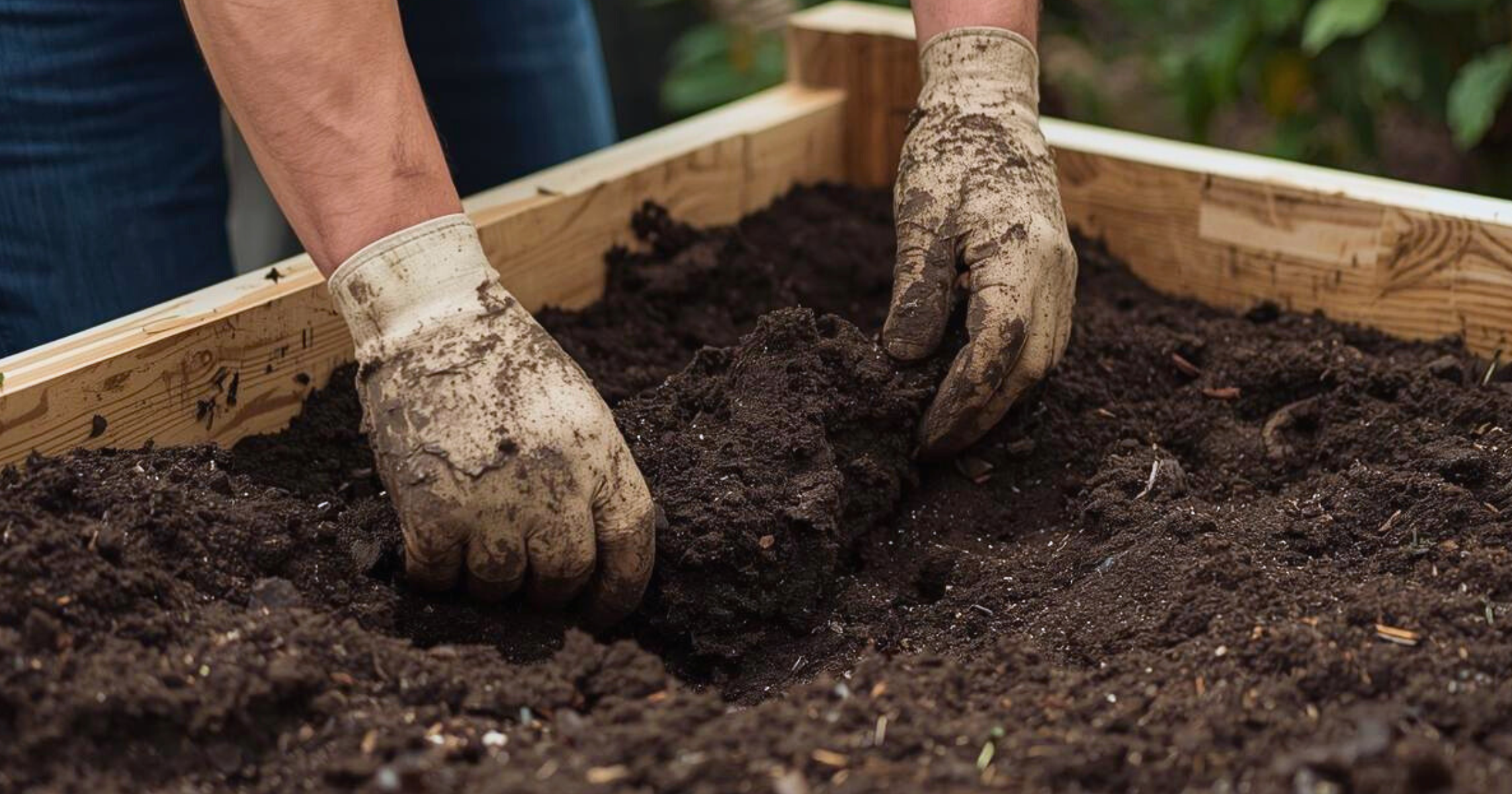
For in-ground garden beds, the most reliable blend is pulverized topsoil and nutrient-rich compost. This combination improves soil in multiple ways:
Pre-blended garden soil mixes combine these two ingredients in consistent proportions, making soil improvement simple and predictable—and that your plants will love.
Using a blended garden soil mix instead of straight topsoil provides several advantages:
The result? Healthier, happier gardens!
Garden soil mix is a versatile option for many outdoor planting projects, including:
If you’re aiming for good soil for garden beds, a topsoil-and-compost blend is a dependable choice.
Before ordering garden soil mix, it helps to estimate how much material your garden bed will require. The process is simple and works for most in-ground projects.
Measure the length and width of each garden bed (in feet). If you have multiple beds, calculate each one and add the totals together.
Most garden beds perform best with 6-8 inches of a garden mix.
Length (ft) × Width (ft) × Depth (inches) = Cubic Feet
Cubic Feet ÷ 27 = Cubic Yards
Add 5-10% to account for settling and small measurement errors.
If you’d rather skip the math—or double-check your numbers—a material calculator can quickly estimate how much garden mix you need.
This gives you a solid estimate so you can order confidently and avoid running short mid-project.
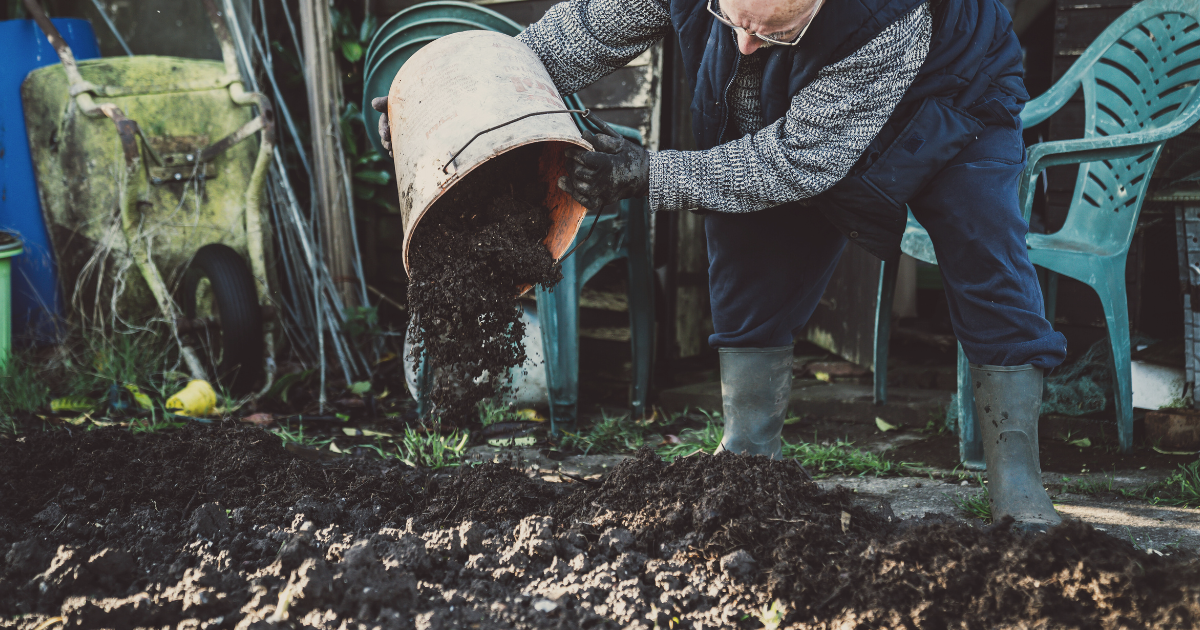
Improving an existing bed is usually faster and easier than starting from scratch.
This approach blends new material with existing soil instead of creating layers.
A few common missteps can slow progress or create new problems. Here’s what to avoid:
Bulk garden mix is often the best option when you’re working on larger projects. It’s especially helpful if you’re:
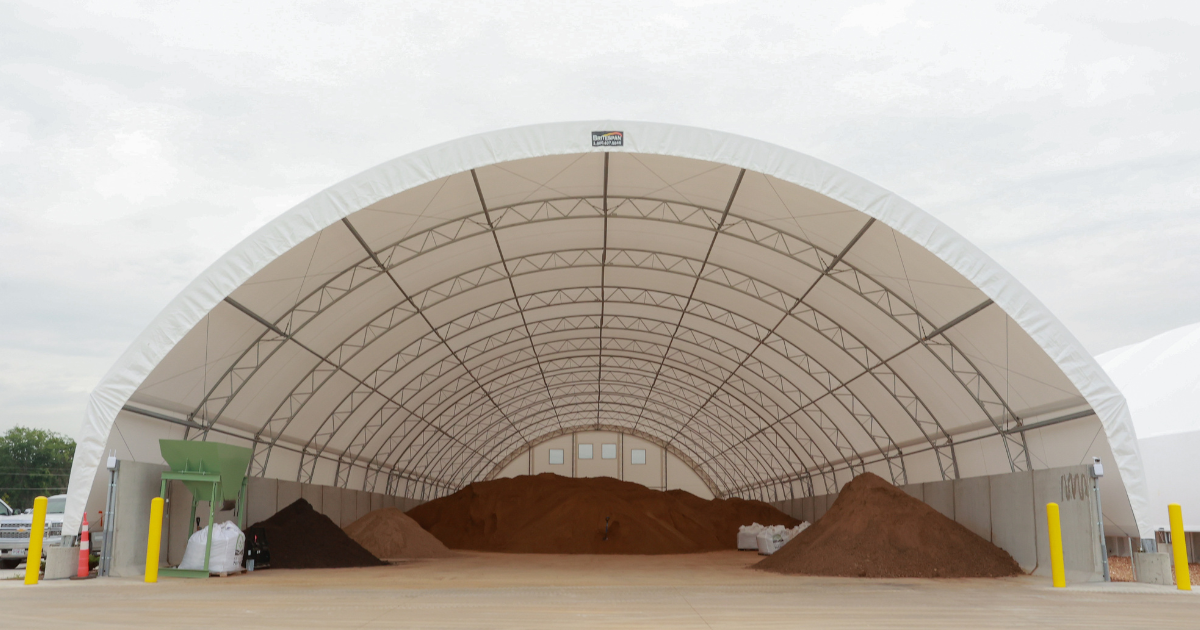
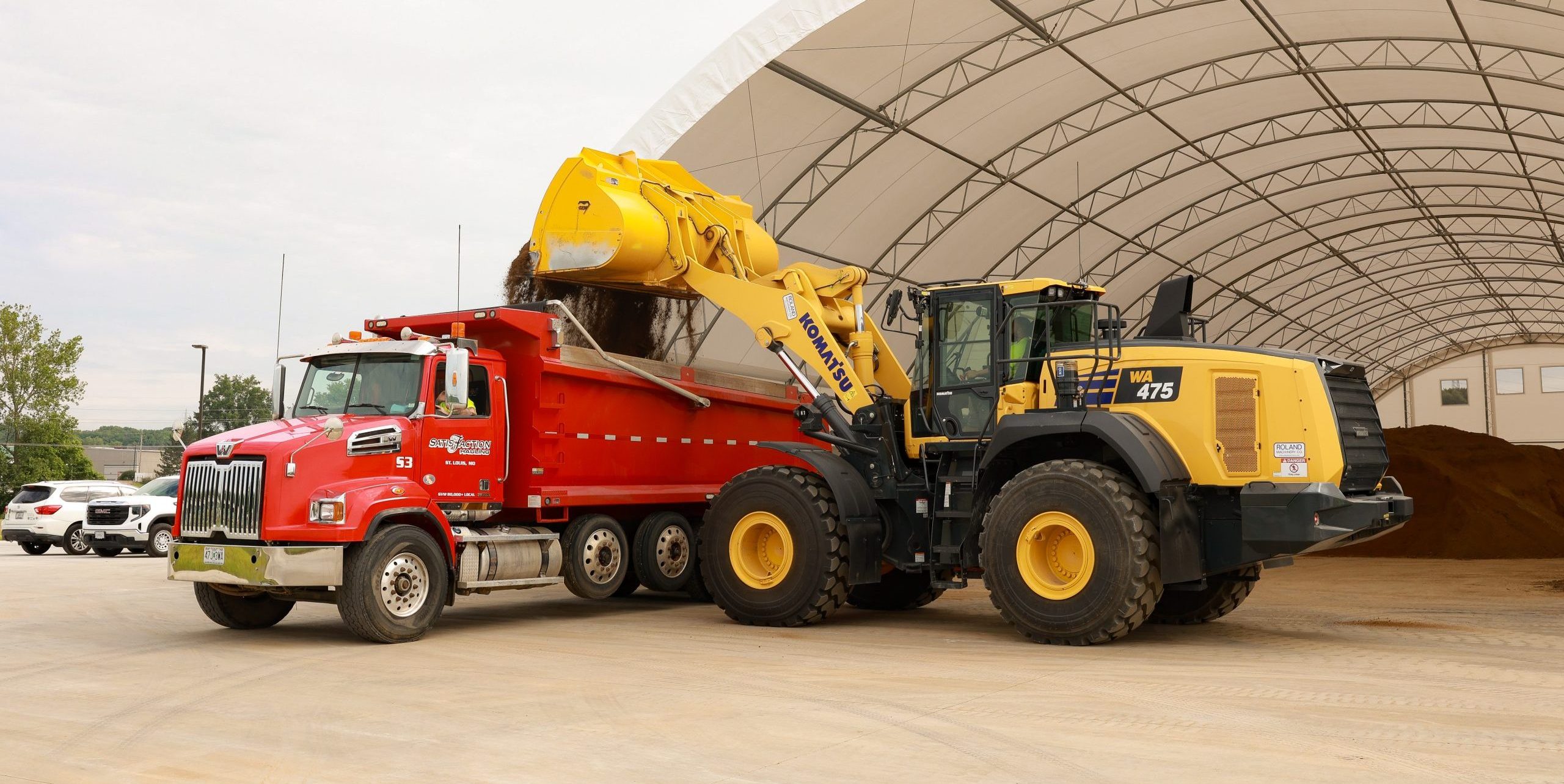
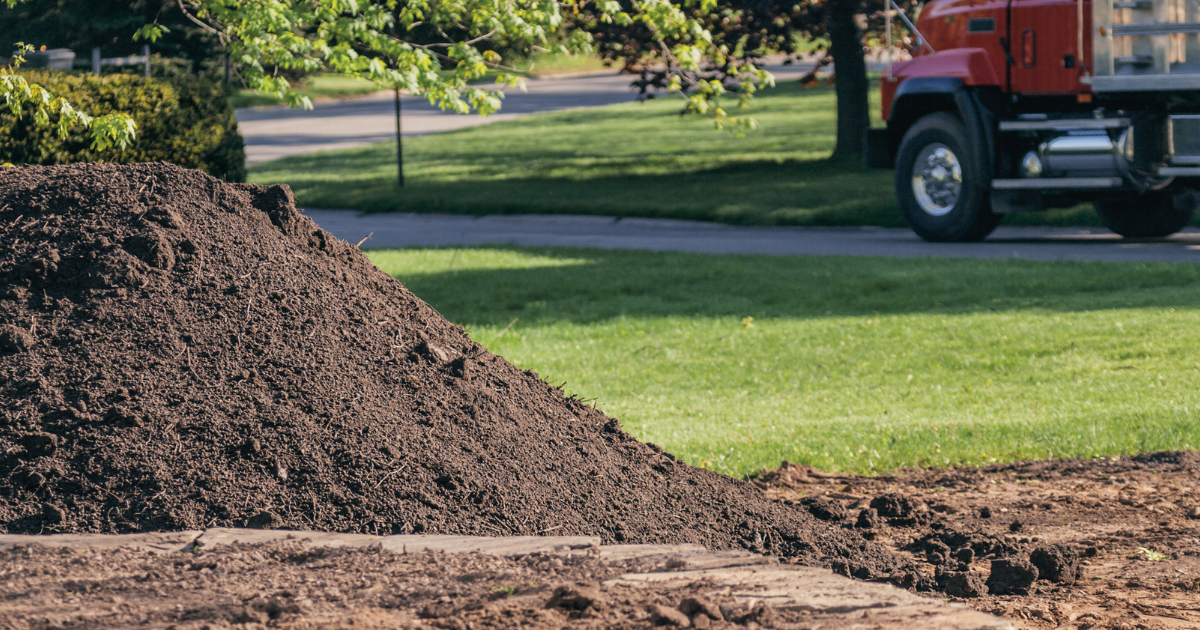
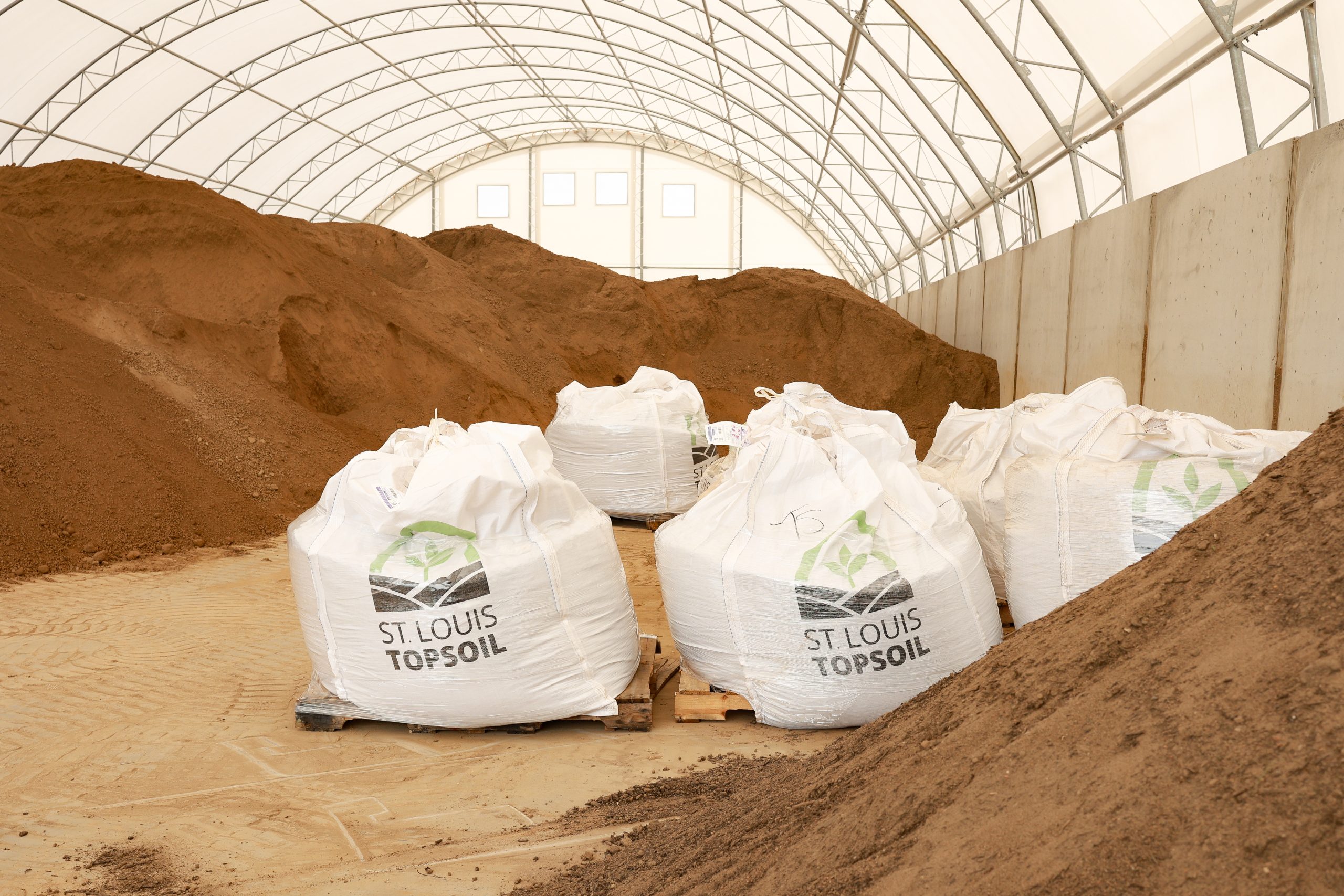
Bulk delivery is cost-effective, consistent, and far easier than hauling bags.
The best soil for garden beds is a simple blend of pulverized topsoil and compost. Build healthy soil first, and healthier plants naturally follow.
If you’d like help choosing the right garden mix or estimating quantities, your local soil supplier can help you plan and deliver directly to your site—so you can spend less time guessing and more time gardening.




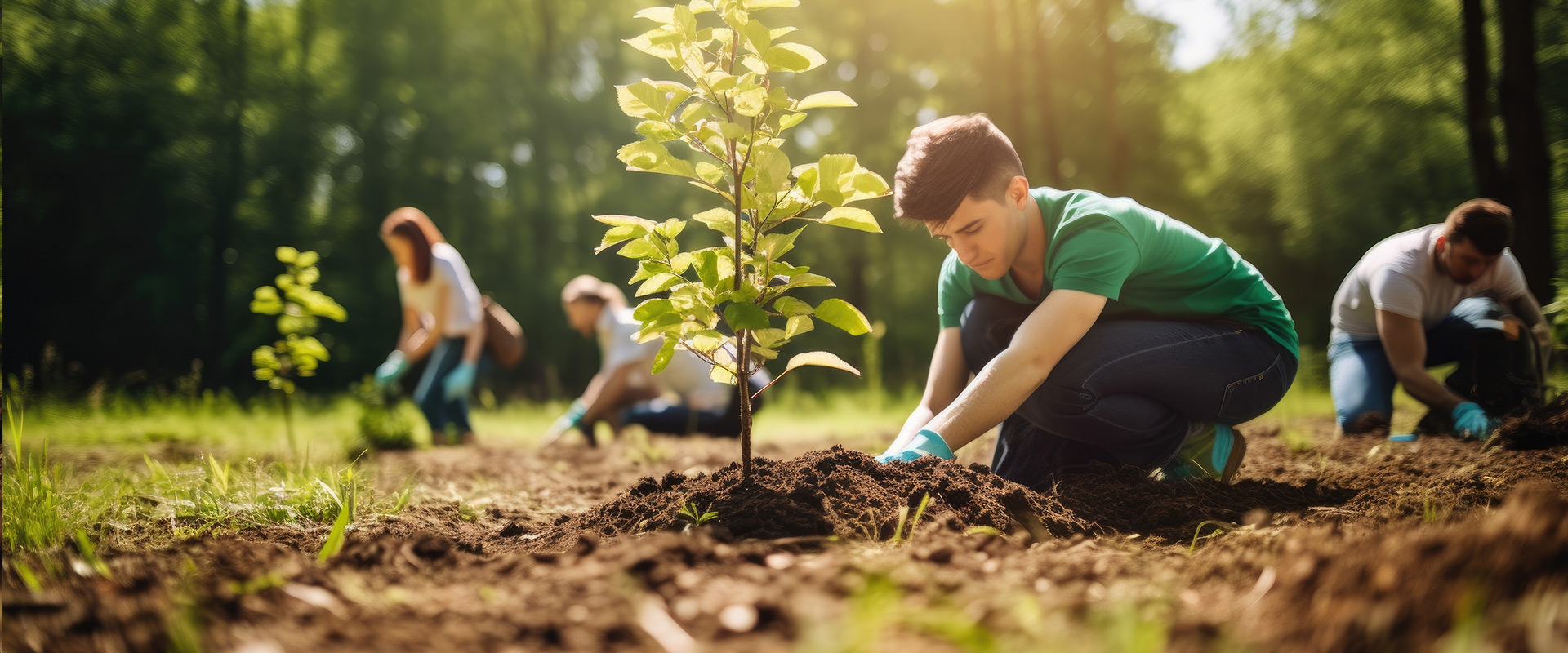
Planting may seem as simple as digging a hole and setting in a shrub, flower, or tree—but the small details matter. How you prepare the soil, handle the roots, and care for the plant in the first few weeks can…
 Material Calculator