Before you buy more plants, learn the simple upgrades that can make old landscape beds look cleaner, fresher, and more intentional—all in a weekend.
St. Louis Topsoil : Jun 8th, 2026
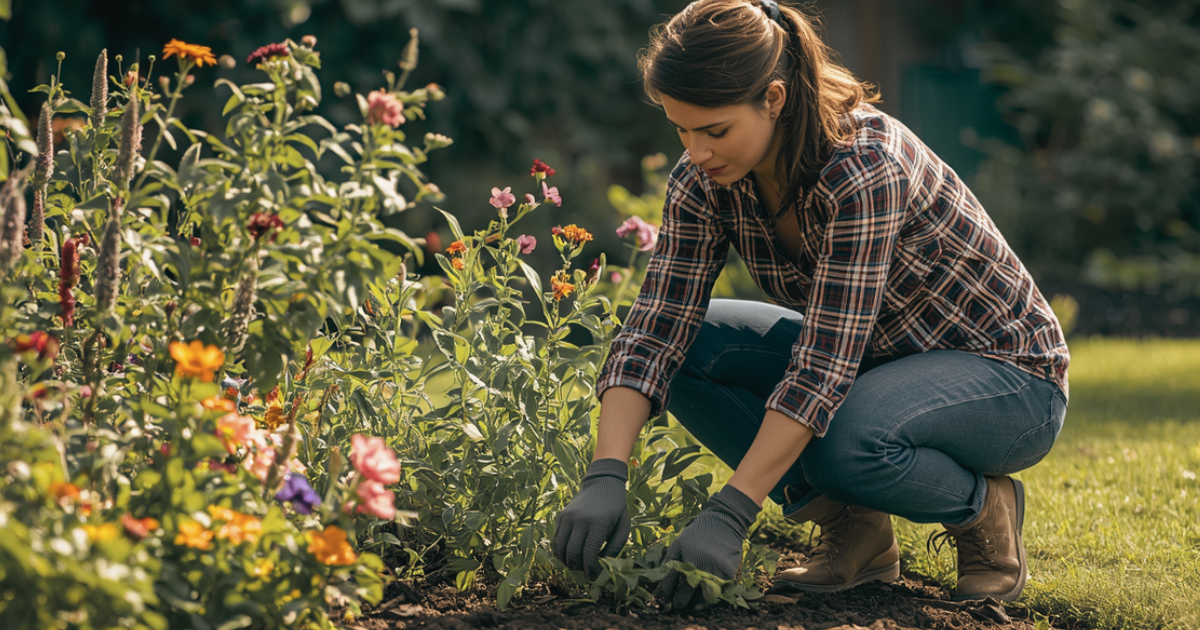
Most landscape beds don’t look tired because they’re missing plants.
In fact, adding more plants is often the last thing they need.
More commonly, landscape beds start to lose the things that made them attractive in the first place: clean edges, contrast, texture, and visual definition. Mulch fades, plants spread, bed lines blur, and focal points disappear.
The good news? You don’t need to tear everything out and start over.
A few strategic updates can often make old landscape beds look dramatically cleaner, fresher, and more intentional—all in a single weekend.
Before buying new plants, mulch, or decorative gravel, take a few minutes to identify what’s making the space feel dated.
Walk around your yard and ask yourself:
Many homeowners assume they need a complete redesign when the real issue is a lack of contrast, definition, or maintenance.
Once you identify the problem, the solution is usually much simpler—and less expensive.
One of the most common landscaping mistakes is immediately buying new plants or materials before evaluating what’s already there.
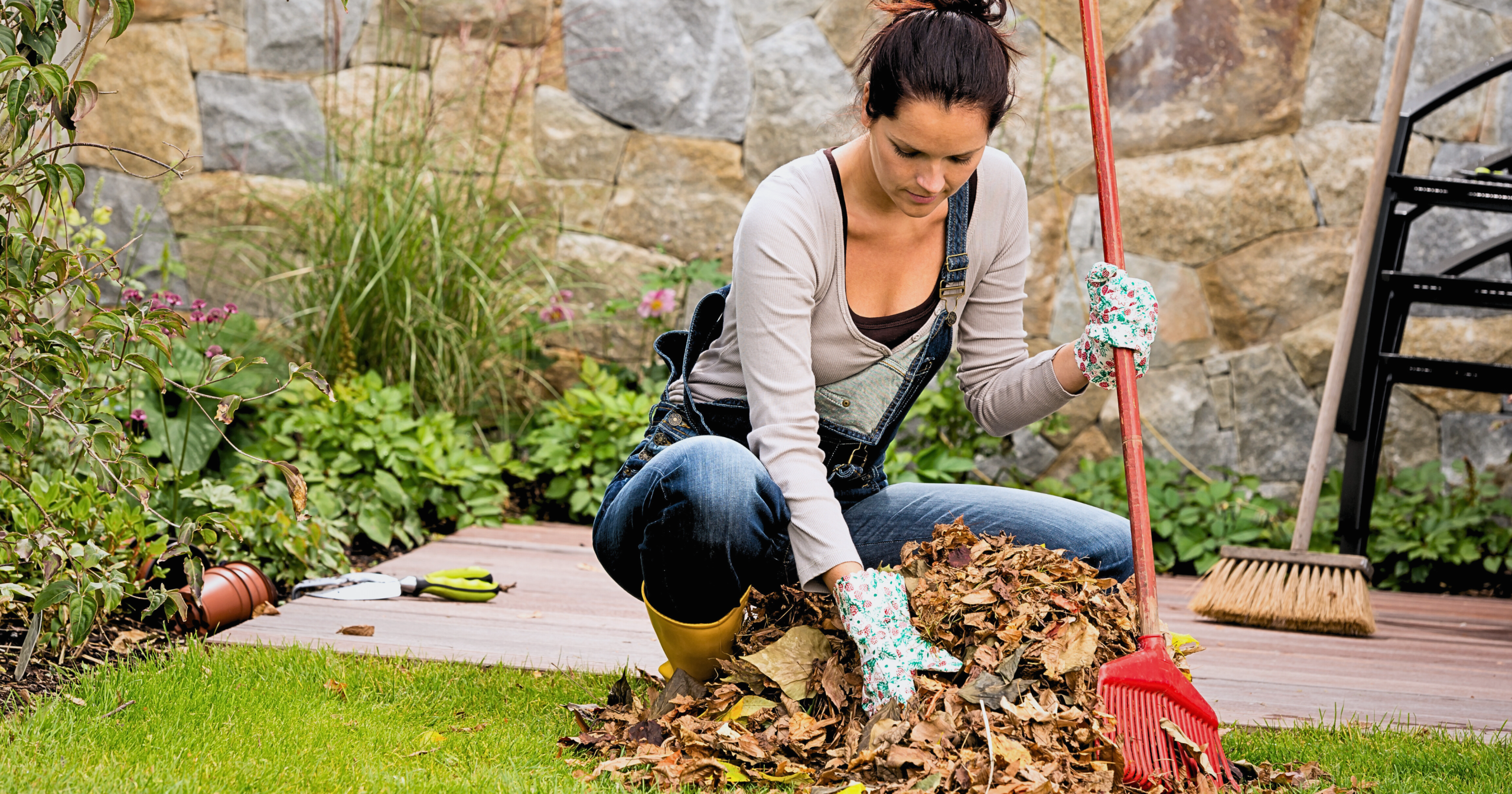
Sometimes the fastest way to improve landscape beds isn’t by adding something new—it’s by removing what’s no longer helping the space.
Look for:
Many mature landscape beds become crowded over time. Trimming back, relocating, or removing a few elements often creates a bigger visual improvement than adding new ones.
Before you spend money, create space.
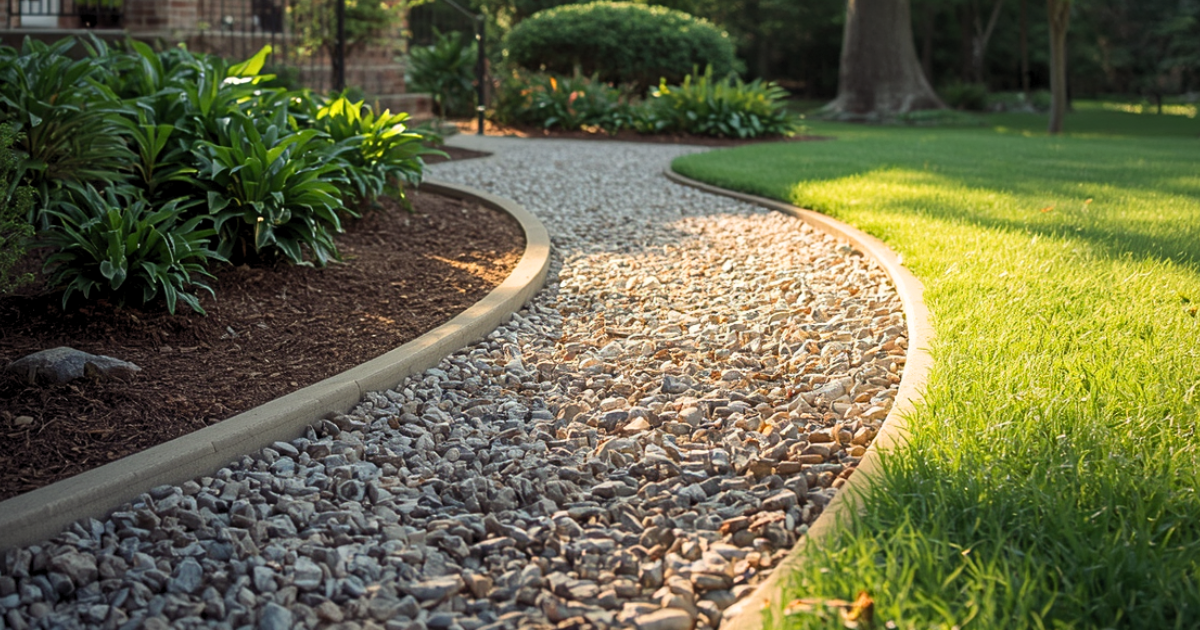
If there’s one upgrade that makes landscape beds look professionally maintained, it’s clean edging.
Over time, grass creeps into beds and bed lines become less visible. As that happens, the entire landscape starts to look less intentional.
Using a flat shovel or edging tool, redefine the border between your lawn and landscape beds.
Fresh edges help:
It’s one of the fastest and most affordable landscape bed ideas you can tackle in a weekend.
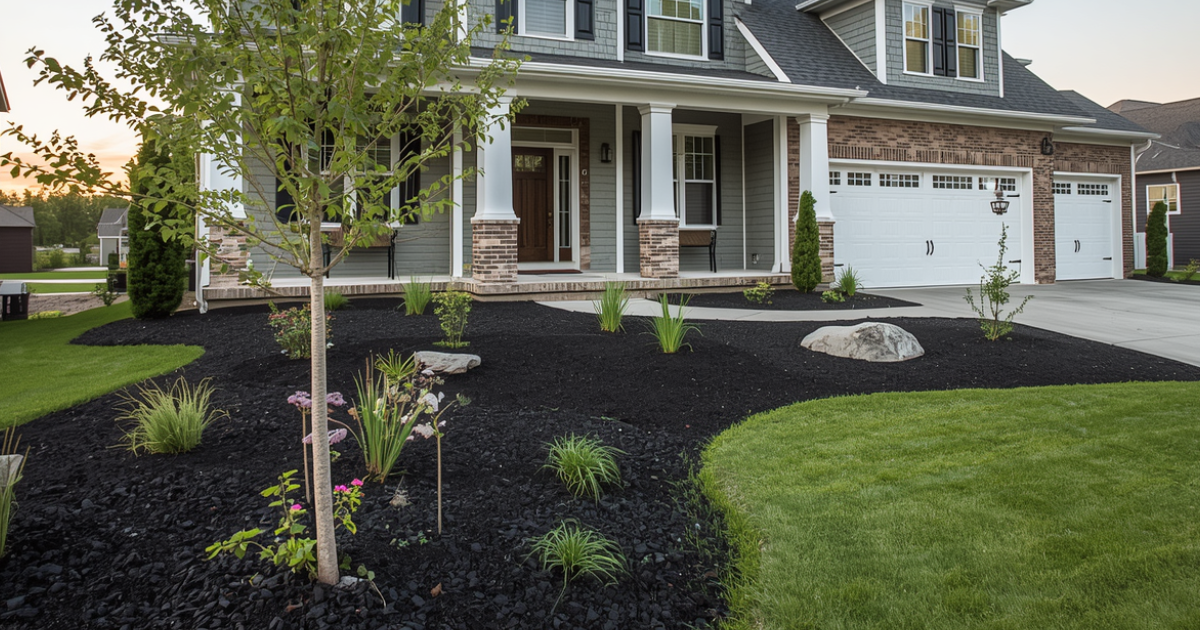
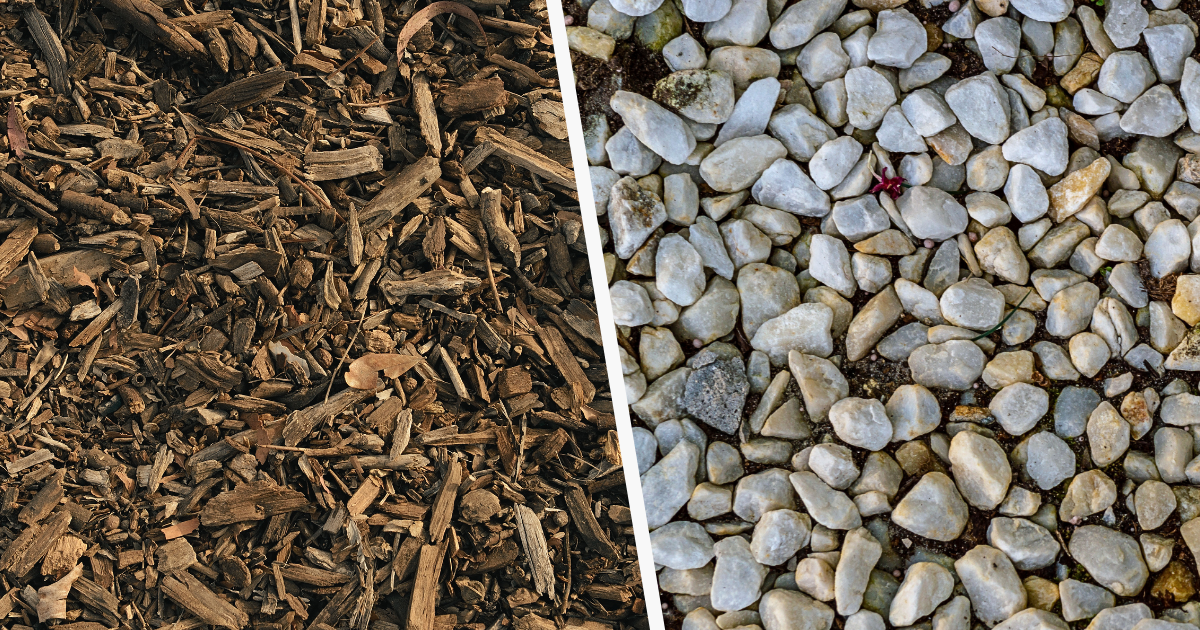
Fresh mulch remains one of the highest-impact landscaping upgrades for the cost.
A new layer doesn’t just improve appearance—it also helps retain moisture, suppress weeds, and create a cleaner backdrop for plants.
Best for:
Best for:
Best for:
For most landscape beds, a fresh 2-3″ layer is enough to make the space look dramatically cleaner and more polished.
One of the biggest mistakes homeowners make is assuming they need more plants when a landscape bed starts looking dull.
In reality, many landscape beds simply lack contrast.
When everything is the same color and texture, the eye doesn’t know where to focus.
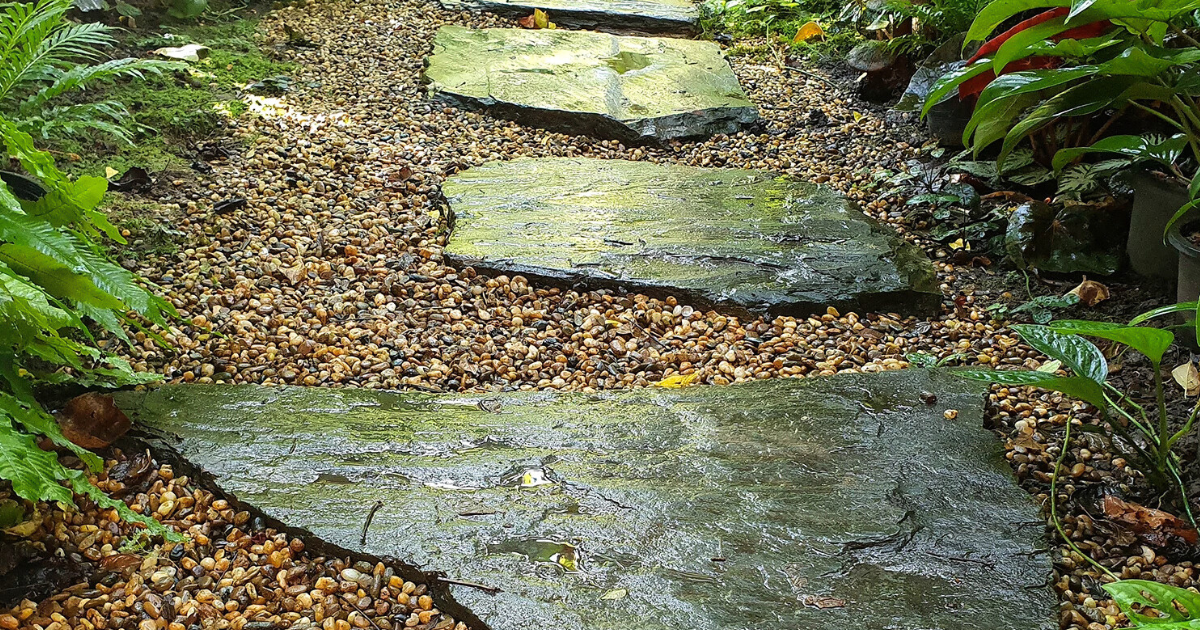
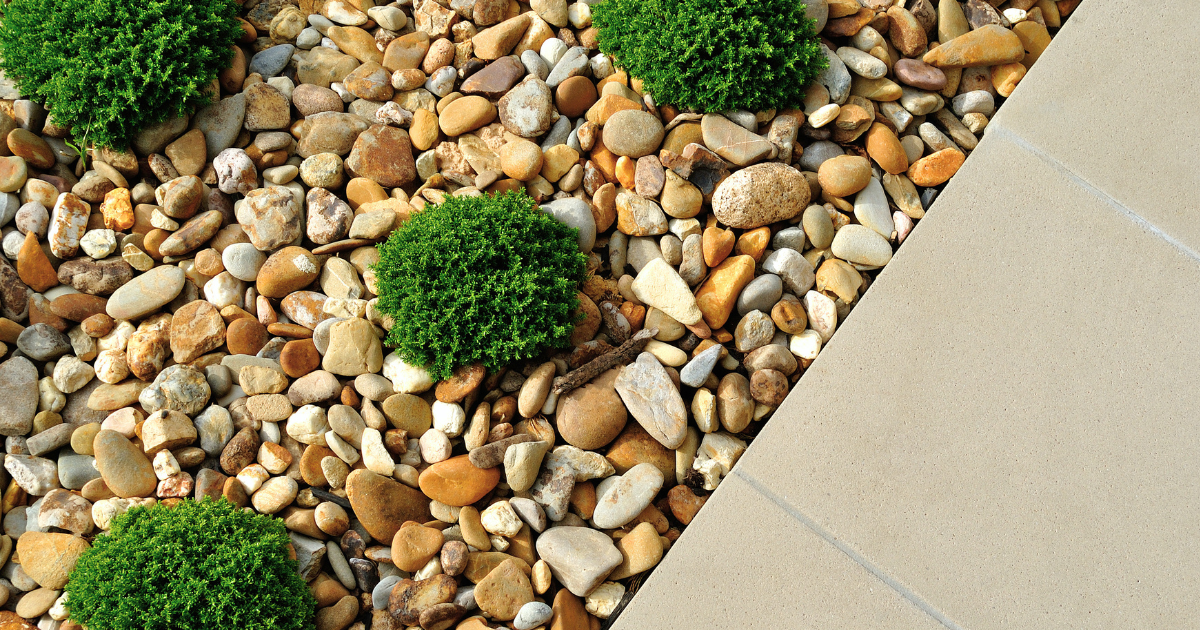
Decorative gravel can help break up that visual monotony.
Creates:
Creates:
Creates:
Rather than replacing mulch entirely, consider using decorative gravel around:
Sometimes landscaping doesn’t need more—it simply needs better contrast.
Many landscape beds feel unfinished because nothing draws the eye.
Without a focal point, even healthy plants and fresh mulch can feel a little flat.
A focal point doesn’t have to be elaborate. It could be:
The goal is to create a single area that naturally draws attention and gives the landscape bed a sense of purpose.
One of the biggest misconceptions in landscaping is that every landscape bed should use the same material.
In reality, the best-looking yards often combine materials based on how each area functions.
For example:
Using different materials strategically creates more visual interest while helping each area of the landscape perform better.
Short on time? Focus on these six high-impact upgrades:
✅ Identify what’s making the bed look tired (faded mulch, disappearing edges, overcrowded plants, or lack of contrast)
✅ Remove anything that’s creating clutter, crowding, or visual distractions
✅ Redefine bed edges to create cleaner lines and separation from the lawn
✅ Refresh mulch to instantly brighten and unify the space
✅ Add decorative gravel where a little contrast or texture is needed
✅ Create one focal point that naturally draws the eye
You don’t need to tackle a complete landscape makeover in a weekend. Often, restoring definition, contrast, and visual interest is enough to make older landscape beds feel fresh again.
Refreshing landscape beds doesn’t have to mean removing plants, redesigning your yard, or spending thousands of dollars.
In many cases, landscape beds already have good bones—they’ve simply lost the definition, contrast, and visual interest that made them stand out in the first place.
With clean edges, fresh mulch, a few decorative gravel accents, and a clear focal point, you can transform tired landscape beds into a cleaner, more polished part of your yard—all in a single weekend.





Planting may seem as simple as digging a hole and setting in a shrub, flower, or tree—but the small details matter. How you prepare the soil, handle the roots, and care for the plant in the first few weeks can…
 Material Calculator