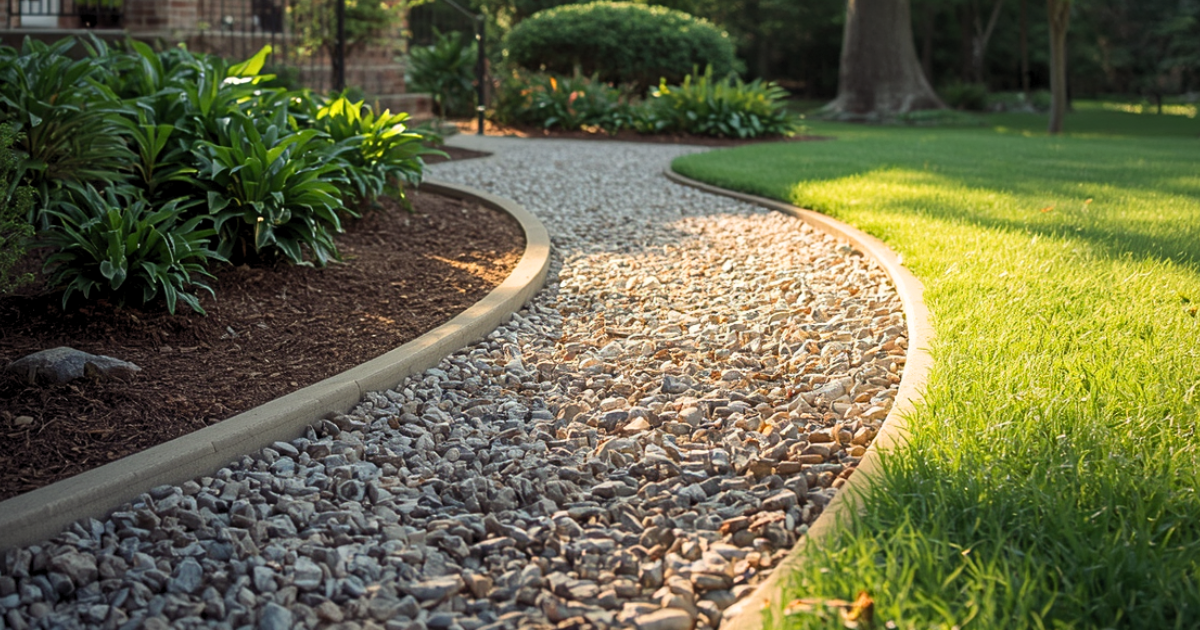
Decorative gravel borders help create separation, contrast, and structure—the design elements that often make the difference between a landscape that feels planted and one that feels professionally designed.
St. Louis Topsoil : Jun 24th, 2026
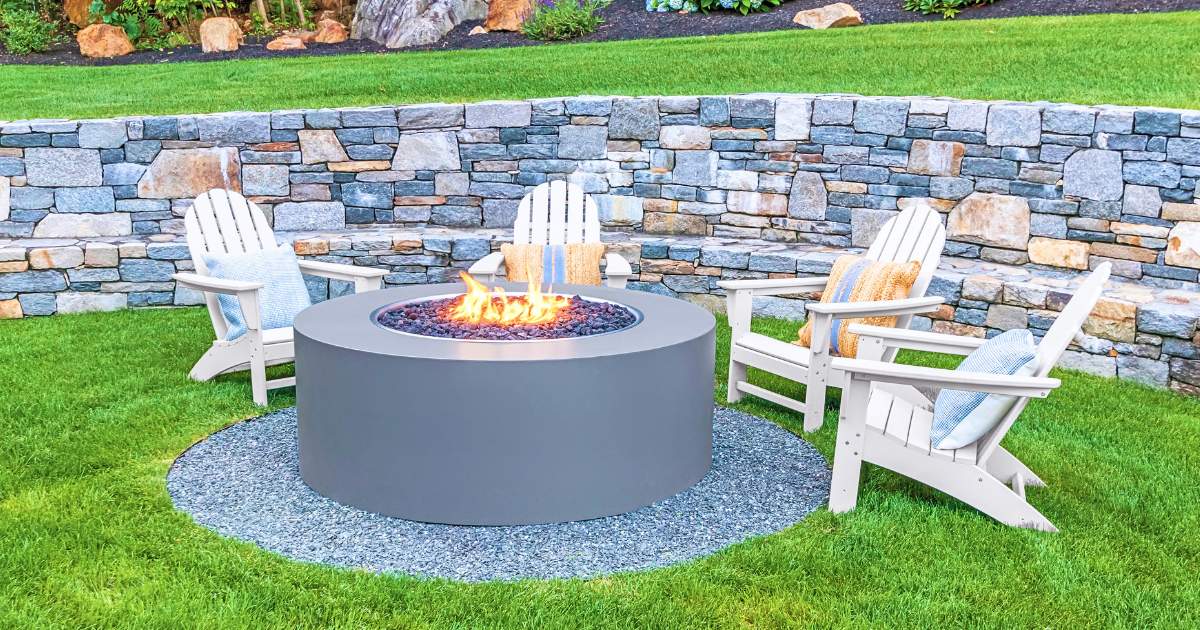
A landscape can have healthy plants, fresh mulch, and plenty of color—and still feel unfinished.
As you explore decorative gravel landscaping ideas, you’ll often notice that some of the best-looking yards aren’t necessarily filled with more plants or expensive features. Instead, they create clear separation between landscape beds, walkways, lawns, and focal points.
The difference between a yard that feels polished and one that feels a little messy often comes down to definition. When everything blends together, nothing really stands out.
Decorative gravel borders are one of the simplest ways to create that definition, helping existing landscaping look cleaner, more organized, and more finished.
One of the biggest differences between an average landscape and a memorable one isn’t the number of plants—it’s how those plants are organized.
Well-designed landscapes create visual separation between different areas of the yard. They help the eye understand where the lawn ends, where landscape beds begin, and which features deserve attention.
Decorative gravel borders help create that separation.
Think of them like a picture frame. The frame doesn’t change the artwork, but it helps draw attention to it. Decorative gravel borders work the same way by helping landscape beds, focal plants, and outdoor features stand out.
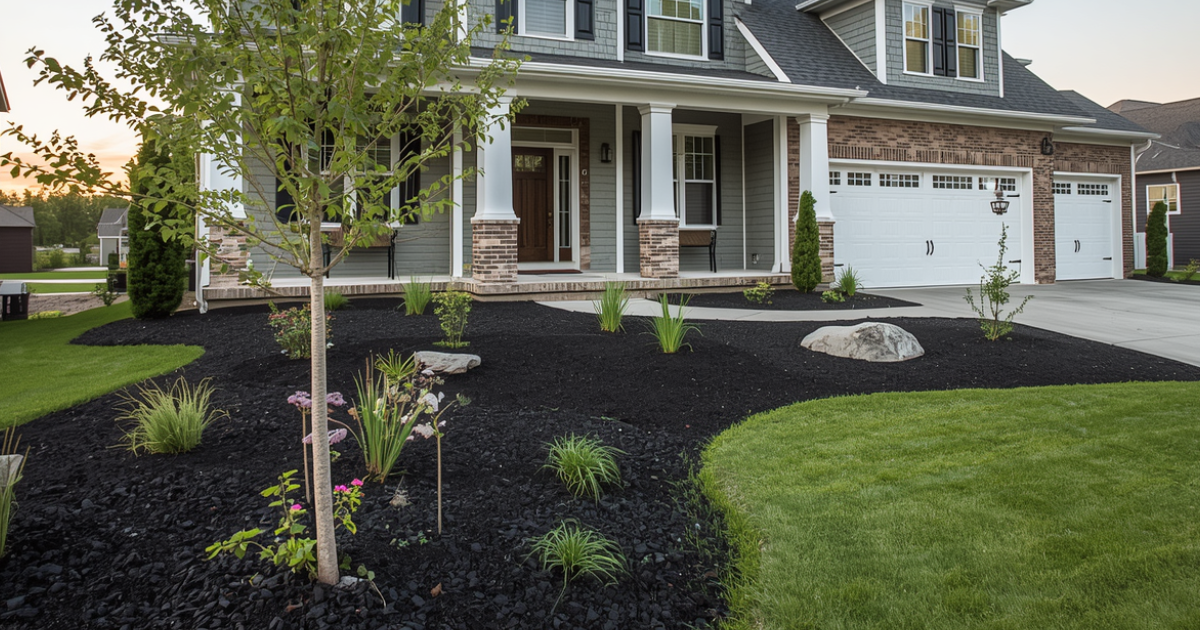
Decorative gravel borders tend to have the greatest impact where different materials meet.
These transition areas often become visually messy over time as grass spreads, mulch migrates, and bed edges become less defined. A gravel border can help create a cleaner separation without requiring major landscape work.
Landscape beds naturally lose their definition over time.
Fresh edging helps, but adding a decorative gravel border can make the separation between lawn and planting beds more noticeable and longer-lasting. This is one reason decorative gravel is so popular in both traditional and modern landscaping flower beds.
RELATED: How to Refresh Old Landscape Beds Without Completely Redoing Your Yard
Mailbox landscaping often looks crowded because so many elements compete for attention in a relatively small space.
A decorative gravel border can help frame the area, making flowers, shrubs, or decorative features stand out rather than blend together.
Front entrances are one of the few places where guests are guaranteed to interact with your landscaping.
A decorative gravel border can help connect planting beds, walkways, and foundation landscaping while creating a cleaner transition between materials.
Sometimes the problem isn’t the feature itself—it’s that nothing distinguishes it from the surrounding landscape.
Decorative gravel can help draw attention to:
The border helps direct attention exactly where you want it.
Decorative gravel borders are among the easiest flower bed landscaping ideas for homeowners who want a cleaner, more finished appearance without adding plants.
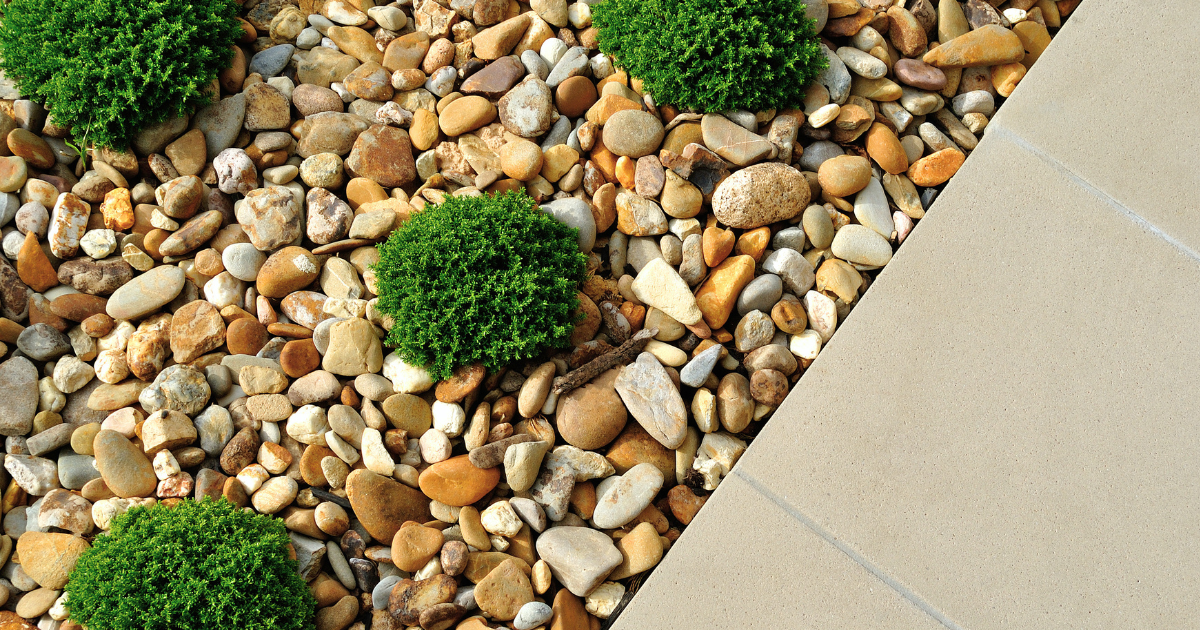
A narrow border of decorative gravel can help define flower beds, reduce mulch migration, and create a separation between blooms and the surrounding lawn. It’s also an effective way to incorporate landscape flower beds and rocks without covering an entire planting bed in stone.
Decorative gravel borders aren’t just decorative. They’re often doing several jobs at once.
The most successful gravel borders help organize the landscape, create visual contrast, and repeat materials throughout the yard in a way that feels cohesive.
One of the quickest ways to make landscaping feel cleaner is to create clearer transitions between different areas.
Decorative gravel can help distinguish:
Contrast is one of the most overlooked principles in landscape design.
Many landscape beds contain plants of similar heights, colors, and textures. Decorative gravel introduces a different material, which naturally draws the eye.
For example:
Sometimes a landscape doesn’t need more plants—it simply needs more contrast.
One of the easiest ways to make a yard feel more connected is to repeat materials throughout the landscape.
For example, using the same decorative gravel around a mailbox bed, entry planting, and landscape border helps tie those areas together.
Even when different plants are used, repeating materials creates a sense of continuity that makes the landscape feel more finished.
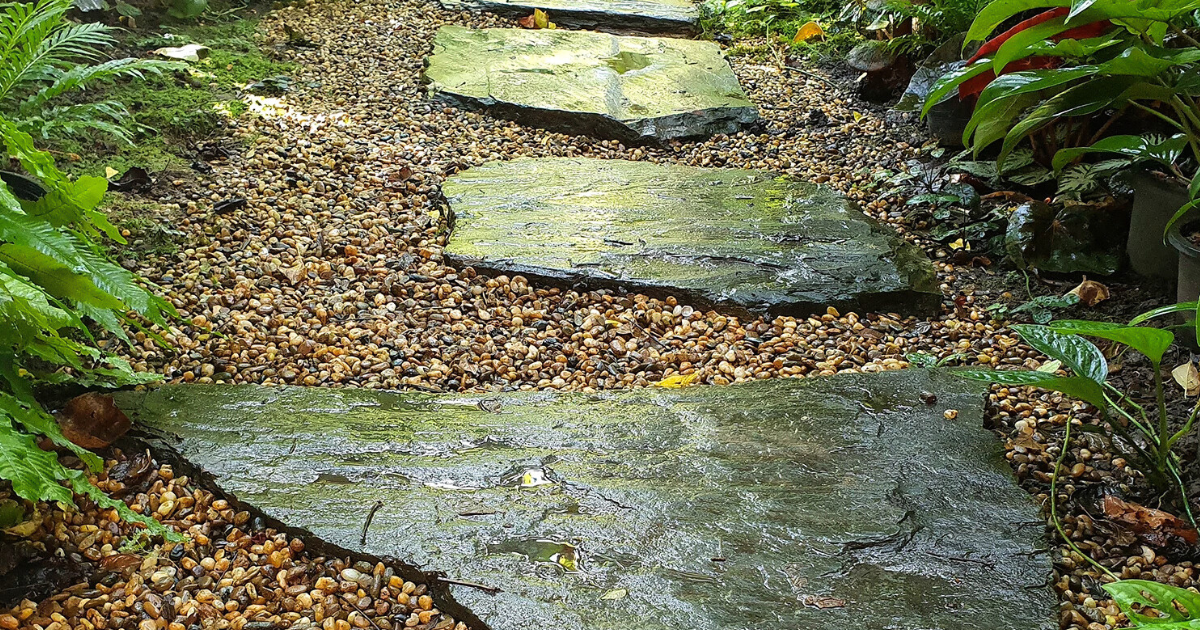
The best decorative gravel isn’t necessarily the most expensive or the most colorful. It’s the one that complements your home’s style and the surrounding landscape.
Best for:
Black Granite tends to stand out the most and works particularly well when paired with lighter mulch or greenery.
Best for:
Iowa Rainbow is also a popular choice for homeowners looking to incorporate landscape flower bed rocks while maintaining a natural appearance.
Best for:
Duck Lake doesn’t create the same bold contrast as Black Granite, which makes it a good fit for landscape beds where you want the plants to get most of the attention.
Rather than focusing solely on color, consider where the gravel will be used. Black Granite creates a strong contrast and naturally draws attention, while Iowa Rainbow and Duck Lake tend to blend more naturally into the surrounding landscape beds.
RELATED: How to Choose the Right Landscape Gravel in St. Louis
One of the easiest ways to overdo decorative gravel is to install it everywhere.
Decorative gravel borders may not be the best choice for:
The goal is to create structure—not clutter.
In many cases, a few well-placed borders will have a bigger impact than using decorative gravel throughout the entire yard.
One of the biggest misconceptions in landscaping is that you have to choose between mulch and decorative gravel.
In reality, they often work best together.
Mulch is typically the better choice for larger planting areas, helping retain moisture and suppress weeds around flowers, shrubs, and trees. Decorative gravel serves a different purpose, creating definition, contrast, and cleaner transitions throughout the landscape.
Decorative gravel is often used for:
Some of the best decorative gravel landscaping ideas combine both materials. Mulch helps anchor planting beds, while decorative rock borders help frame the space and highlight key features.
Before installing decorative gravel borders, think about where people actually experience your landscape.
If the border isn’t visible from the driveway, sidewalk, patio, or street, it may not create the visual impact you’re hoping for.
The most effective decorative gravel landscaping ideas focus on areas people naturally see and interact with.
Prioritizing those locations helps maximize the return on both your time and materials.
If you’re tackling this project over a weekend, focus on these key steps:
✅Identify areas where bed edges have become less defined
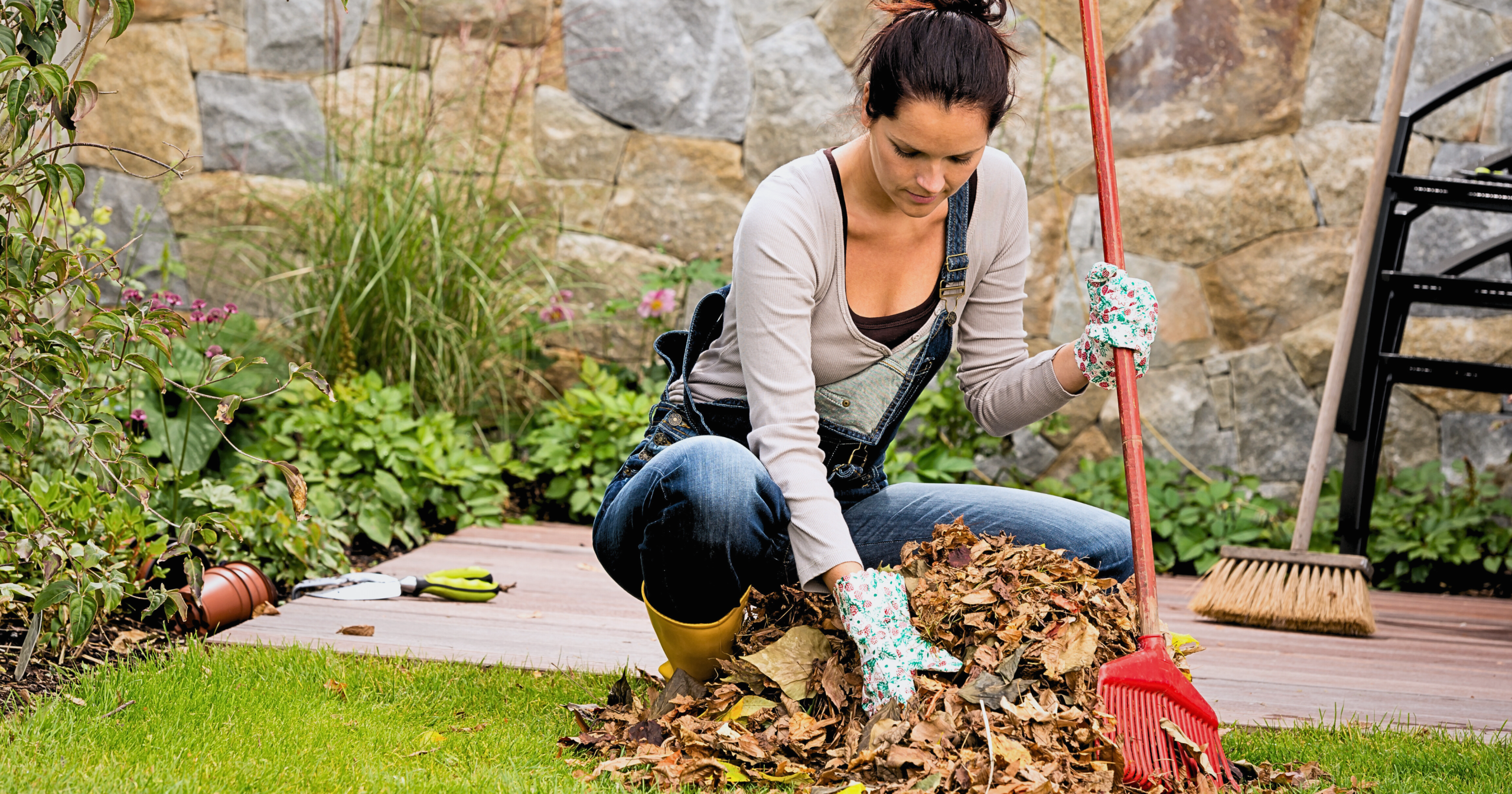
✅ Clean up weeds, overgrowth, and debris before making any updates
✅ Re-edge landscape beds to create a clean border line
✅ Choose a decorative gravel that complements your home and existing landscaping
✅ Use gravel to frame landscape beds, walkways, mailboxes, or focal features
✅ Repeat the same gravel in a few strategic locations throughout the yard
✅ Step back and view the project from the street, driveway, or patio before expanding it further
Decorative gravel borders don’t just add another material to your landscape—they help create structure.
By defining spaces, creating contrast, and framing landscape beds, decorative gravel borders can completely change how landscaping flower beds and other outdoor spaces are experienced.
And unlike a complete landscape renovation, it’s a project most homeowners can tackle over a weekend while making a noticeable difference in how their yard looks and feels.





Planting may seem as simple as digging a hole and setting in a shrub, flower, or tree—but the small details matter. How you prepare the soil, handle the roots, and care for the plant in the first few weeks can…
 Material Calculator