Mulch and decorative gravel each have their place. Learn where each material works best, when it makes sense to use both, and how to choose the right option for every area of your yard.
St. Louis Topsoil : Jun 29th, 2026
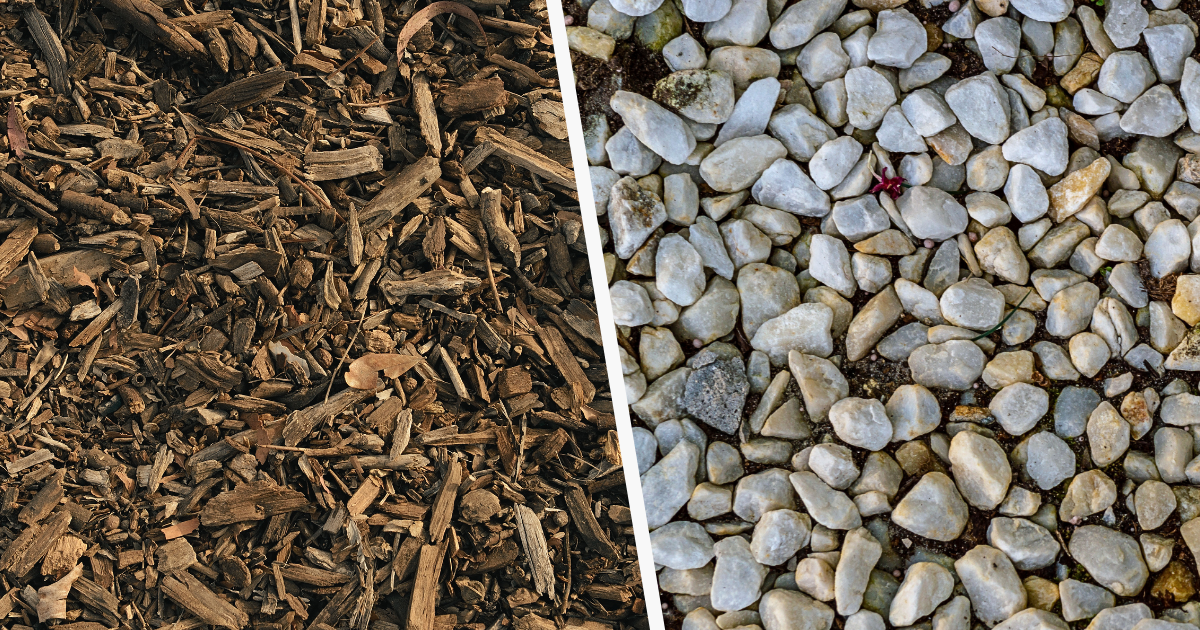
Mulch and decorative gravel can both improve the look of a landscape, but they’re designed to do different things.
Mulch helps create a healthier environment for plants by conserving moisture, suppressing weeds, and gradually improving the soil. Decorative gravel, on the other hand, is often chosen for its durability, drainage, and ability to create cleaner, more defined outdoor spaces.
That’s why the right choice often depends less on the material itself and more on where you’re using it.
Instead of comparing mulch and decorative gravel side by side, it’s more helpful to compare the spaces you’re trying to improve. A flower bed, backyard pathway, front entry, and drainage area all have different priorities—and choosing the right material starts there.
One of the easiest ways to choose the wrong landscaping material is to start with color and overall appearance.
Black mulch might look great in one part of the yard, while decorative gravel might seem like the lower-maintenance option somewhere else. But before thinking about appearance, think about what that area needs to do.
A flower bed has different priorities than a backyard pathway. A drainage area isn’t trying to accomplish the same thing as a front entry planting. Once you identify the purpose of the space, choosing between mulch and decorative gravel becomes much more straightforward.
Before you decide, ask yourself:
You don’t need to answer every question the same way throughout your yard. In fact, most landscapes work better when different areas are designed with different priorities in mind.
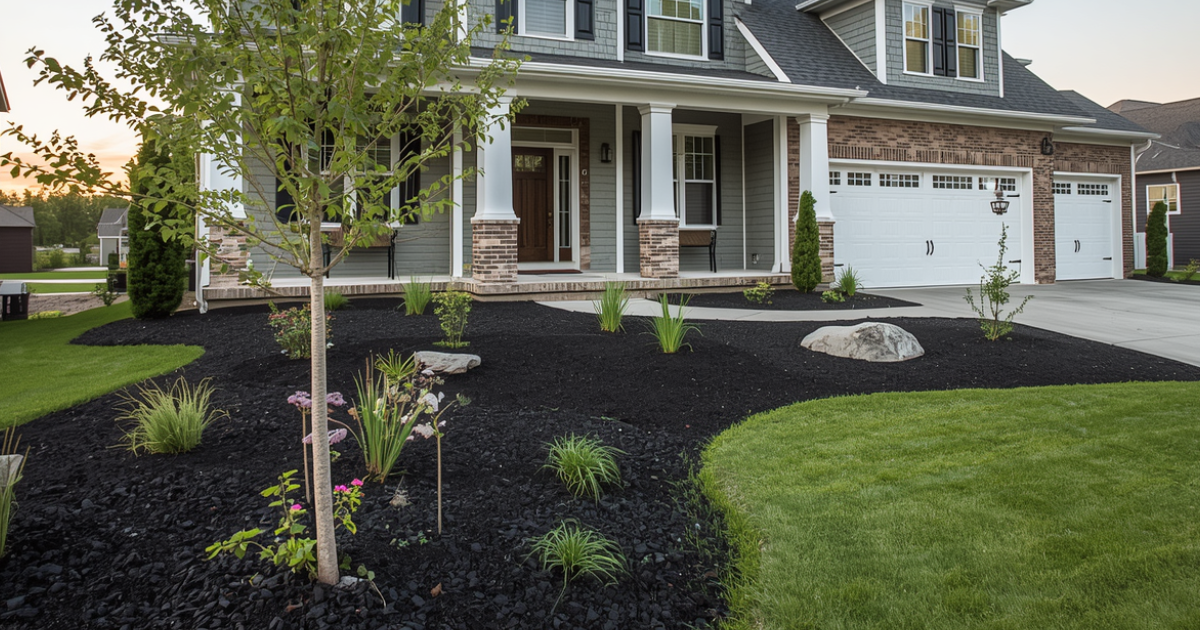
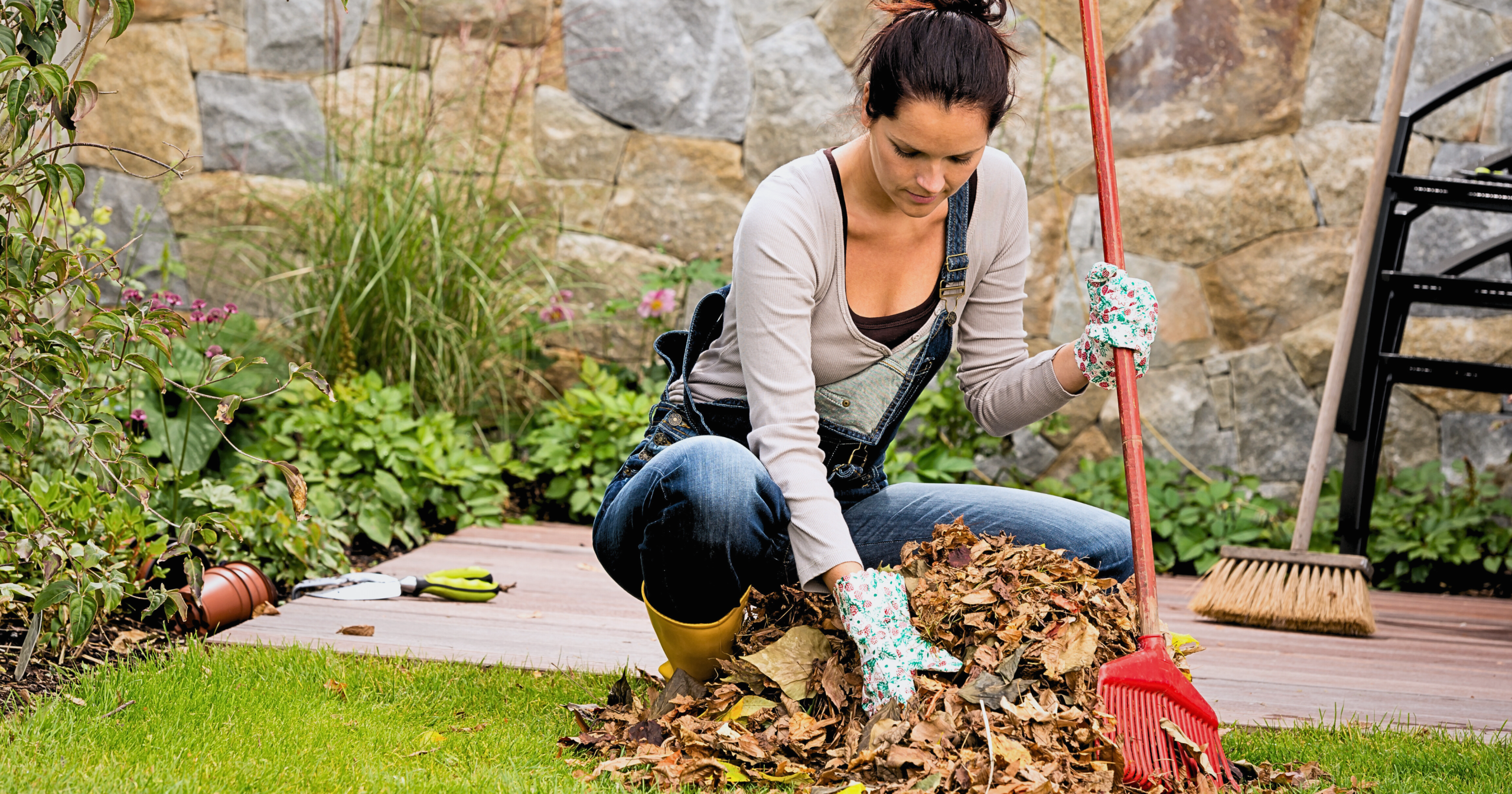
Mulch does much more than improve the appearance of landscape beds. It helps create a healthier growing environment by conserving moisture, insulating roots, suppressing weeds, and gradually adding organic matter back into the soil.
If plants are the priority, mulch is usually the better choice.
Trees benefit from mulch because it helps protect shallow roots from temperature swings while reducing competition from weeds and grass.
A few tips:
A properly mulched tree is easier to mow around, requires less watering, and often looks cleaner than one surrounded by patchy grass.
Flower beds are constantly changing.
Annuals are replaced with seasonal flowers, perennials get divided, and new plants are added over time. Mulch makes those updates simple because it’s easy to move aside when you’re planting.
It also helps:
For beds filled with annuals or perennials, mulch is usually the more practical option.
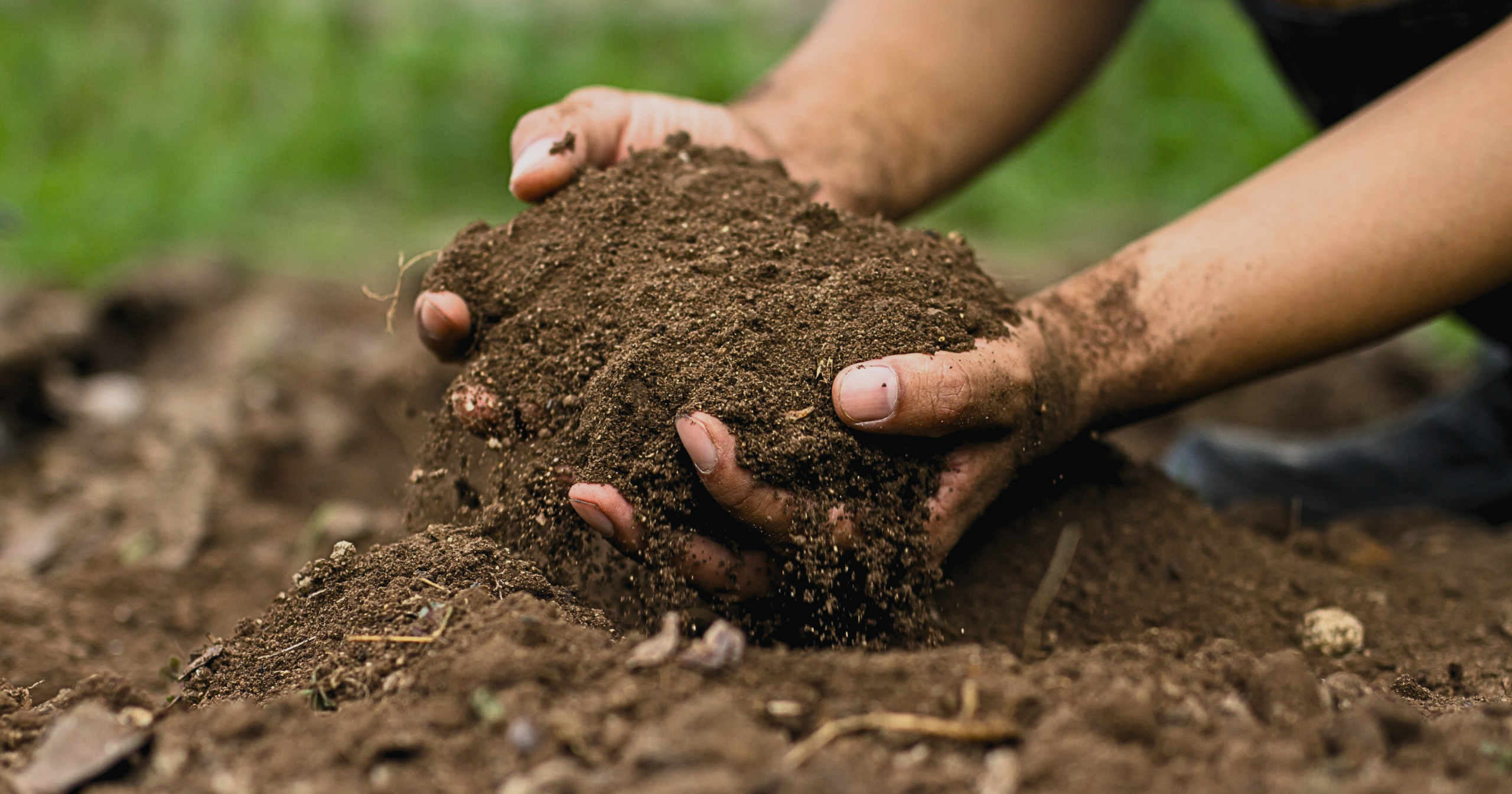
Healthy soil is one of the biggest factors in a productive garden, and mulch plays an important role.
Organic mulches help:
Unlike decorative gravel, mulch actively supports the growing environment.
New shrubs need consistent moisture while their root systems become established.
Mulch helps reduce moisture loss and limits competition from weeds during those first few growing seasons. It’s a simple addition that can reduce watering needs and improve long-term plant health.
Mulch also works well in:
Anywhere healthy soil and growing plants are the priority, mulch is usually the better investment.
While mulch shines around living plants, other parts of the yard have very different priorities. Areas that need cleaner definition, better drainage, or a more permanent finish are often better suited for decorative gravel.
Unlike mulch, decorative gravel isn’t meant to improve the soil. Its biggest strengths are durability, definition, and low maintenance.
That’s why decorative gravel often works best in areas that experience regular foot traffic, need better drainage, or benefit from a more long-standing finish.
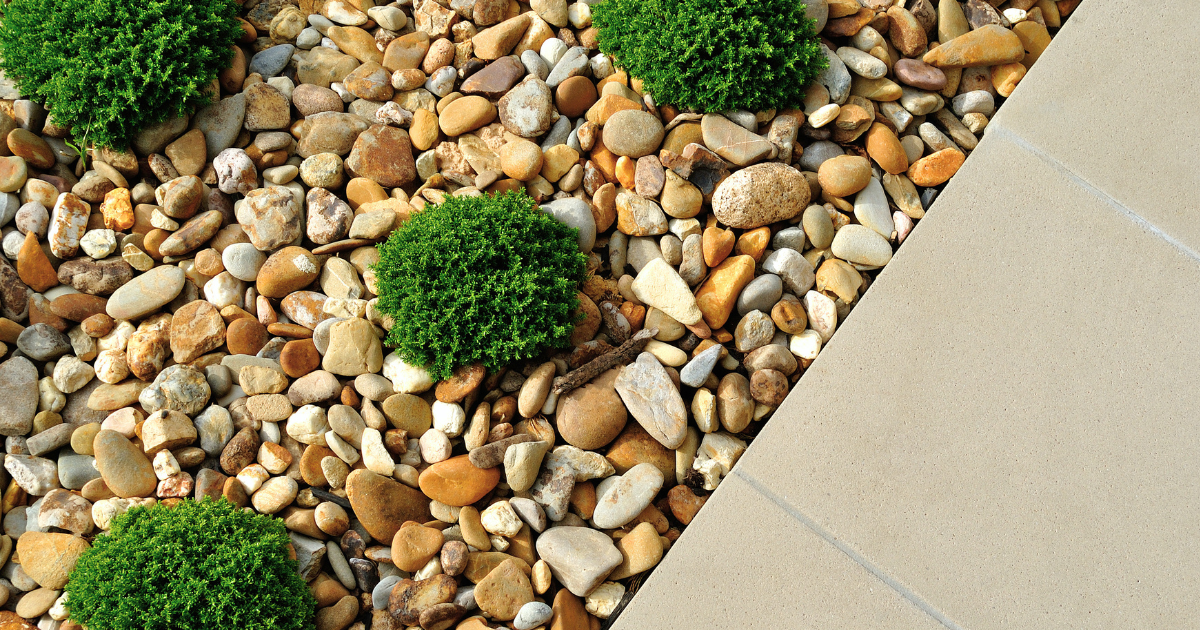
Your front entrance is one of the first things people notice, making it a great place for decorative gravel.
Black Granite creates bold contrast around foundation plantings and entryways, while Iowa Rainbow offers a softer, more natural look with a mix of warm earth tones.
Decorative gravel can also help reduce mulch washout near downspouts, sidewalks, and front steps—areas that tend to see more water and foot traffic.
Mailbox landscaping often gets overlooked, but it’s one of the most visible planting beds in the yard.
Decorative gravel creates a cleaner edge around flowers and shrubs while reducing the need to replenish mulch every year.
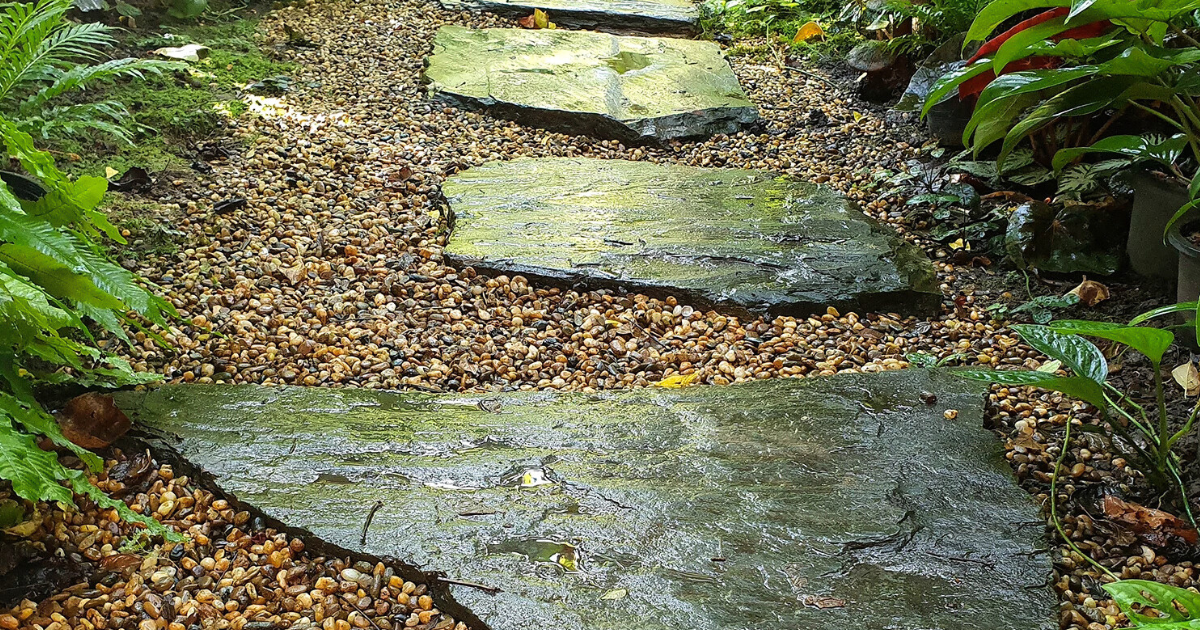
If you’re creating a casual garden path or connecting different parts of the yard, pea gravel is one of the most versatile materials available.
It’s commonly used for:
Because it’s easy to install and relatively affordable, pea gravel is a popular weekend DIY project.
Some parts of the yard need to manage water more than they need to support plants.
Decorative gravel is often the better choice for:
Larger materials like Oversized Iowa help slow erosion, while Duck Lake creates a more natural-looking finish that blends into the surrounding landscape.
One of the simplest ways to upgrade landscaping is to create better definition.
Decorative gravel borders can help separate:
Sometimes a landscape doesn’t need more plants—it simply needs more distinct boundaries.
RELATED: How to Use Decorative Gravel Borders to Make Landscaping Look More Finished
Walk through almost any thoughtfully designed landscape and you’ll likely notice it rarely relies on just one material.
Different areas have different jobs to do, so the materials change accordingly. Mulch supports growing plants, while decorative gravel adds definition, improves durability, and solves problems where mulch isn’t always the best fit.
Rather than using the same material everywhere, think about matching each area of your yard to the material that makes the most sense.
| Area | Best Material | Why? |
| Around flowers | Mulch | Helps retain moisture and makes seasonal planting easier |
| Tree rings | Mulch | Protects roots and reduces competition from grass |
| Front entry | Black Granite | Creates contrast and elevates curb appeal |
| Decorative borders | Iowa Rainbow | Defines landscape beds and softens transitions |
| Backyard pathway | Pea Gravel | Comfortable underfoot and easy to install |
| Drainage swale | Oversized Iowa | Handles runoff while helping reduce erosion |
When each material is used where it performs best, the landscape is not only more attractive—it’s usually easier to maintain, too.
Instead of asking which material is better, ask where each material performs best.
Thinking through a few practical details beforehand can help you avoid extra work, unexpected costs, and frustration later.
Before ordering mulch or decorative gravel, measure the length and width of the space you’ll be covering. Having an accurate square footage estimate makes it much easier to determine how much material you’ll need and helps avoid ordering too much—or too little.
Once you have your measurements, you can also use a Material Calculator to determine how much product you’ll need. The St. Louis Topsoil is always happy to help if you want an extra set of eyes or assistance!
Will you be planting new flowers every spring? Adding shrubs in a year or two? Expanding the landscape bed?
If you’ll be digging or rearranging plants regularly, mulch is usually easier to work with. Decorative gravel tends to work best in areas that will stay relatively unchanged over time.
Think beyond installation day.
Ask yourself:
Choosing a material that fits your maintenance preferences can make the landscape easier to care for year after year.
Instead of choosing based on color alone, start with how the space will be used.
If the priority is healthy plants and improved soil, mulch is usually the better option. If the goal is cleaner borders, improved drainage, or a more permanent finish, decorative gravel is often the better fit.
Making those decisions before you buy can save time, money, and unnecessary rework later.
Choosing between mulch and decorative gravel isn’t really about picking a winner—it’s about choosing the right material for the right job.
Many landscapes benefit from using both materials—but not because there’s a rule that says they should. It’s simply about choosing the material that makes the most sense for each space.
The next time you’re planning a landscaping project, don’t start by asking whether mulch or decorative gravel looks better. Start by asking what that area of your yard needs to do. The answer will usually point you toward the right material.




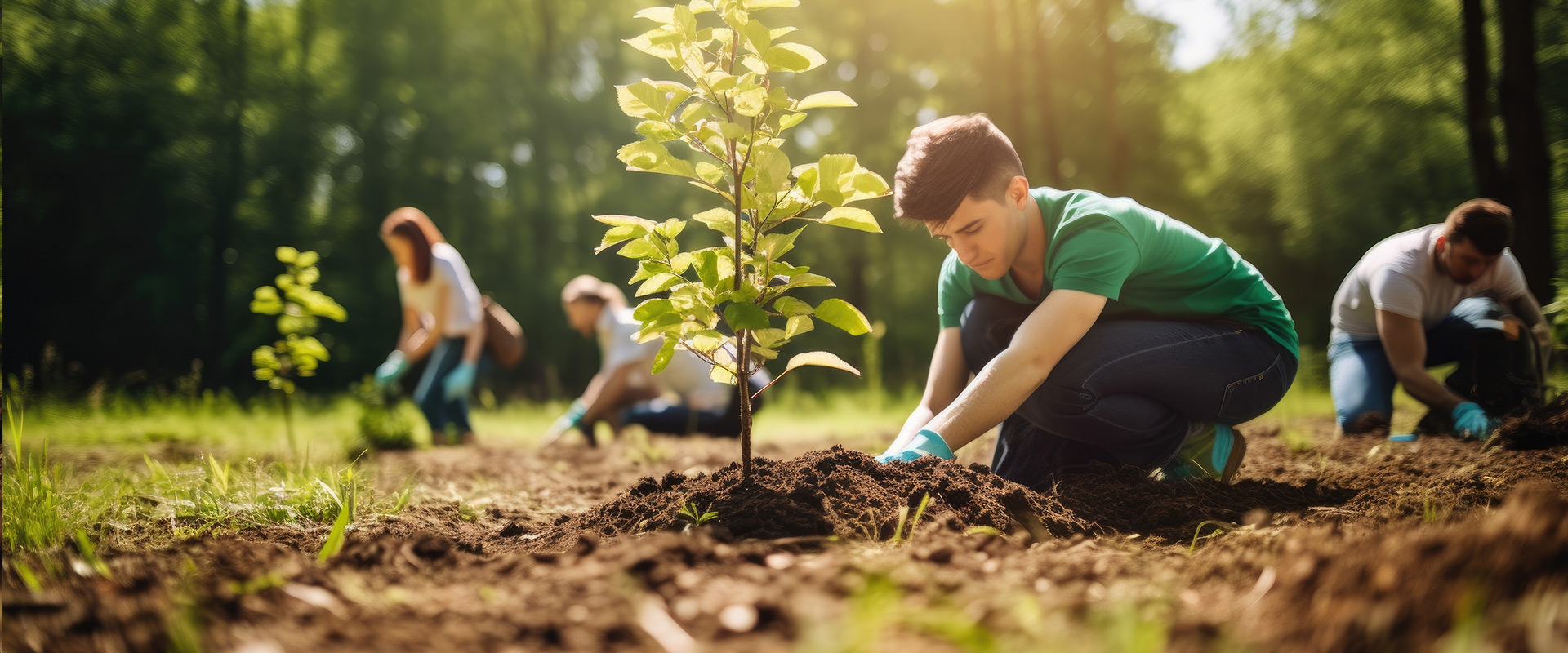
Planting may seem as simple as digging a hole and setting in a shrub, flower, or tree—but the small details matter. How you prepare the soil, handle the roots, and care for the plant in the first few weeks can…
 Material Calculator